


Daytime Napping Linked to Higher Dementia Risk in Older Adults
unintentional and short daytime naps were linked to 48%, 39% and 40% higher dementia rates. Researchers say napping may be an early marker, not a cause.

Indian Flash | Trusted Health News, Wellness Updates & Medical Insights
unintentional and short daytime naps were linked to 48%, 39% and 40% higher dementia rates. Researchers say napping may be an early marker, not a cause.
Colombian crossover trial of 52 healthy men aged 18-39 finds sitting or standing does not change max urine flow or voided volume, posture has little practical influence.
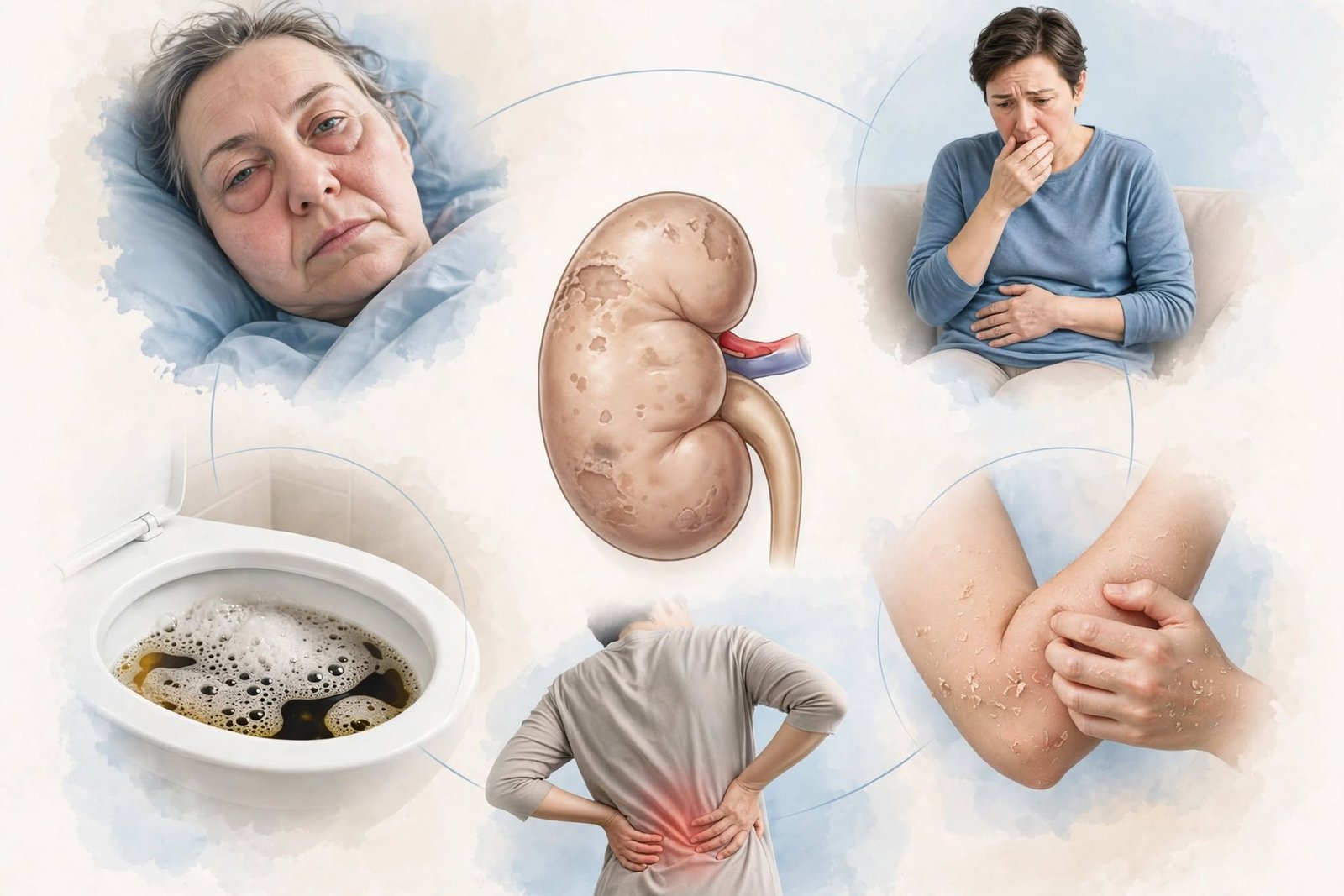
Kidney damage can show early warning signs in the morning, including facial swelling, nausea, foamy or dark urine, lower back pain, and skin dryness and itching
Thyroid conditions affect 20 million in the US; selenium, a key building block for selenoproteins concentrated in the thyroid, supports antioxidant function and hormone metabolism.
USC study of 51 postmenopausal women finds adding testosterone to estrogen therapy increased lumbar spine bone density, while estrogen alone only kept it stable.
Polish study of 238 pets finds Trichomonas tenax in 17% of dogs and 6% of cats, suggesting human-to-pet transmission through close contact and saliva.
Lancet Countdown 2026 finds 710,000 heat deaths in 2023 with 71.5% linked to climate change, $1.07 trillion work loss, and calls for WHO to declare global health emergency
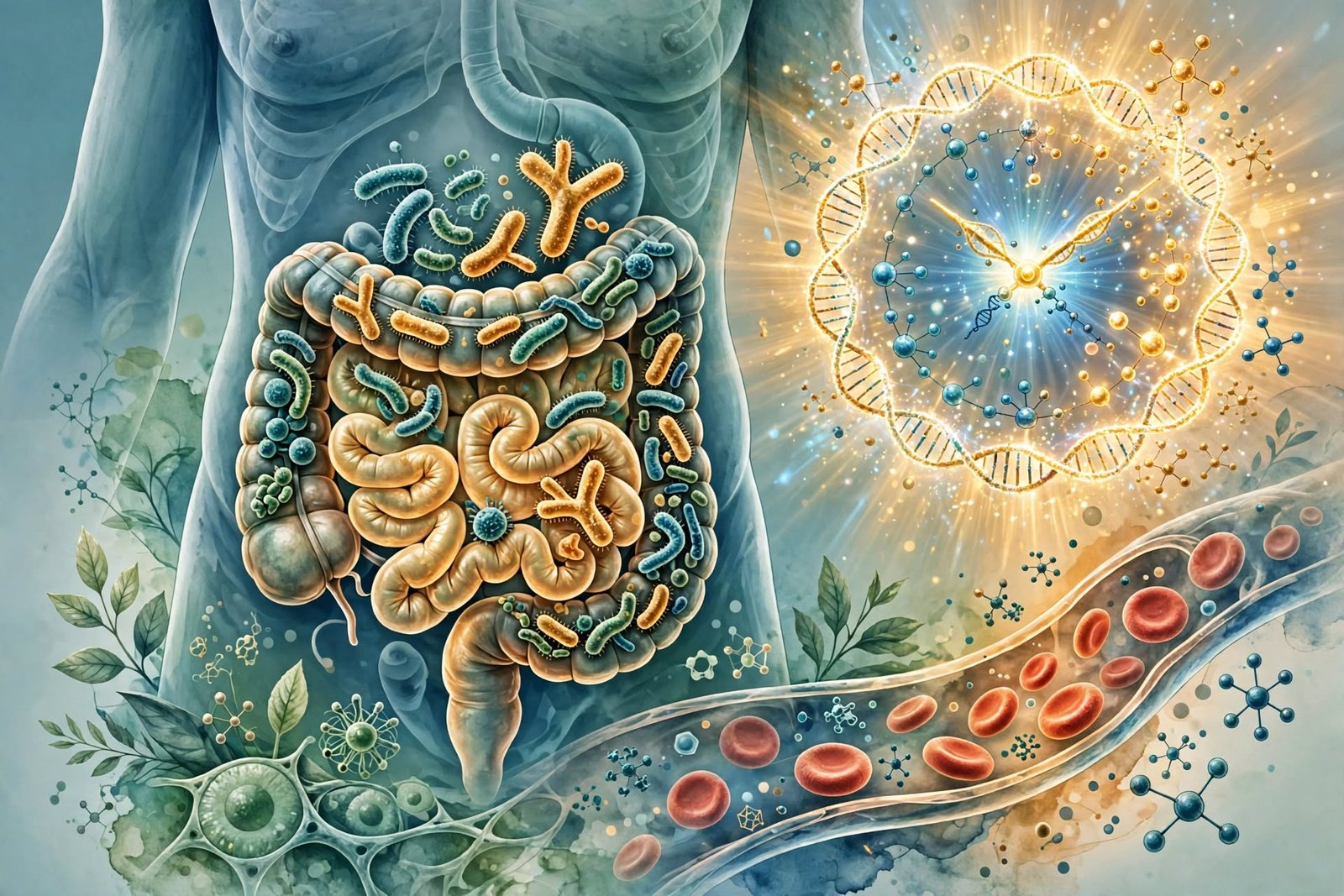
University of Hawai’i study of 123 adults finds gut microbiome explains 15% of biological aging variation, with Bifidobacterium linked to slower aging and Succinivibrio to faster aging.
NTNU researchers find JAK inhibitors like baricitinib suppress antiviral immune signaling, making it easier for influenza, adenovirus, SARS-CoV-2 and Rift Valley fever virus to infect cells.
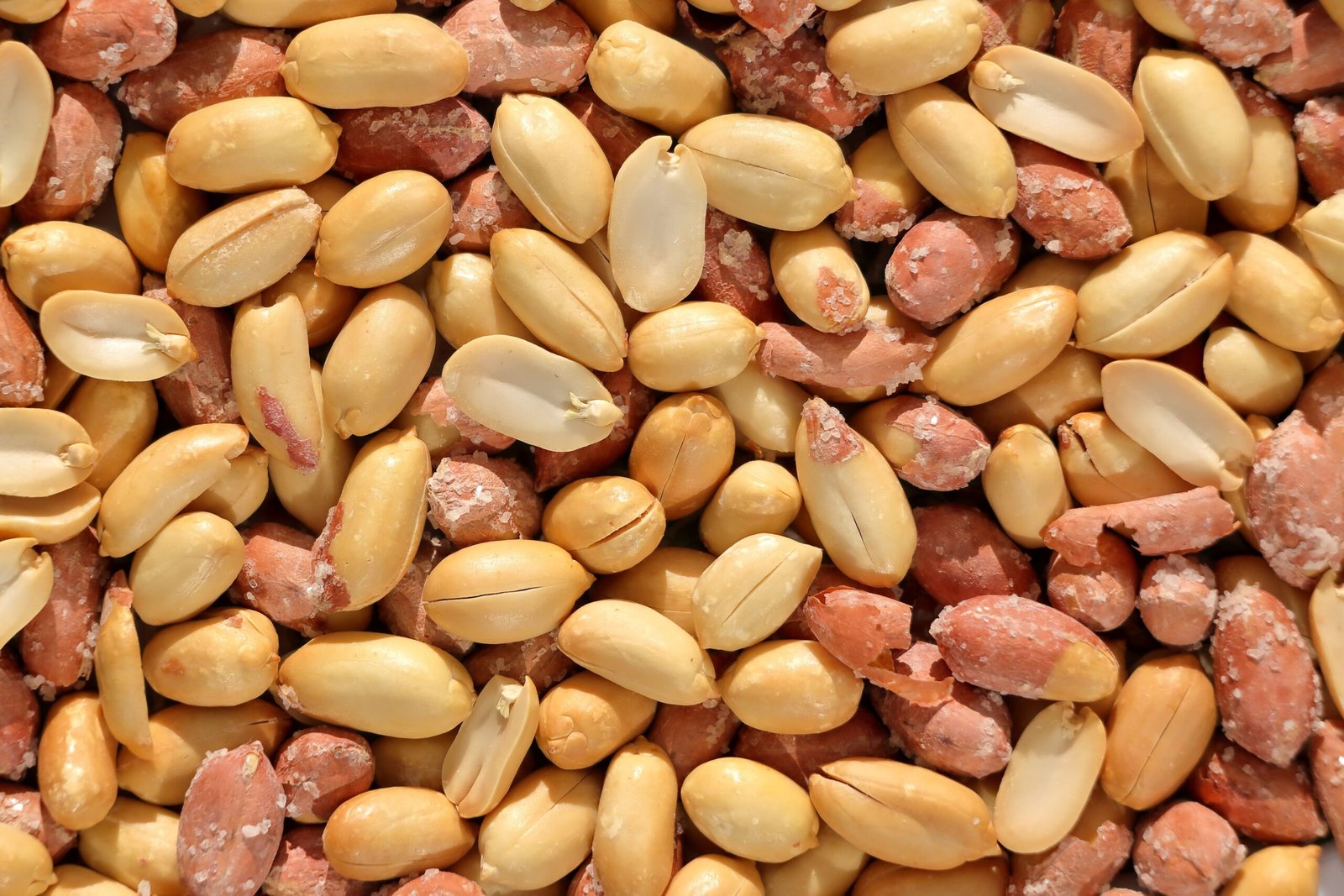
Maastricht study of 31 adults aged 60-75 finds 60g daily unsalted skin-roasted peanuts for 16 weeks improves insulin responsiveness in memory-related brain regions.