
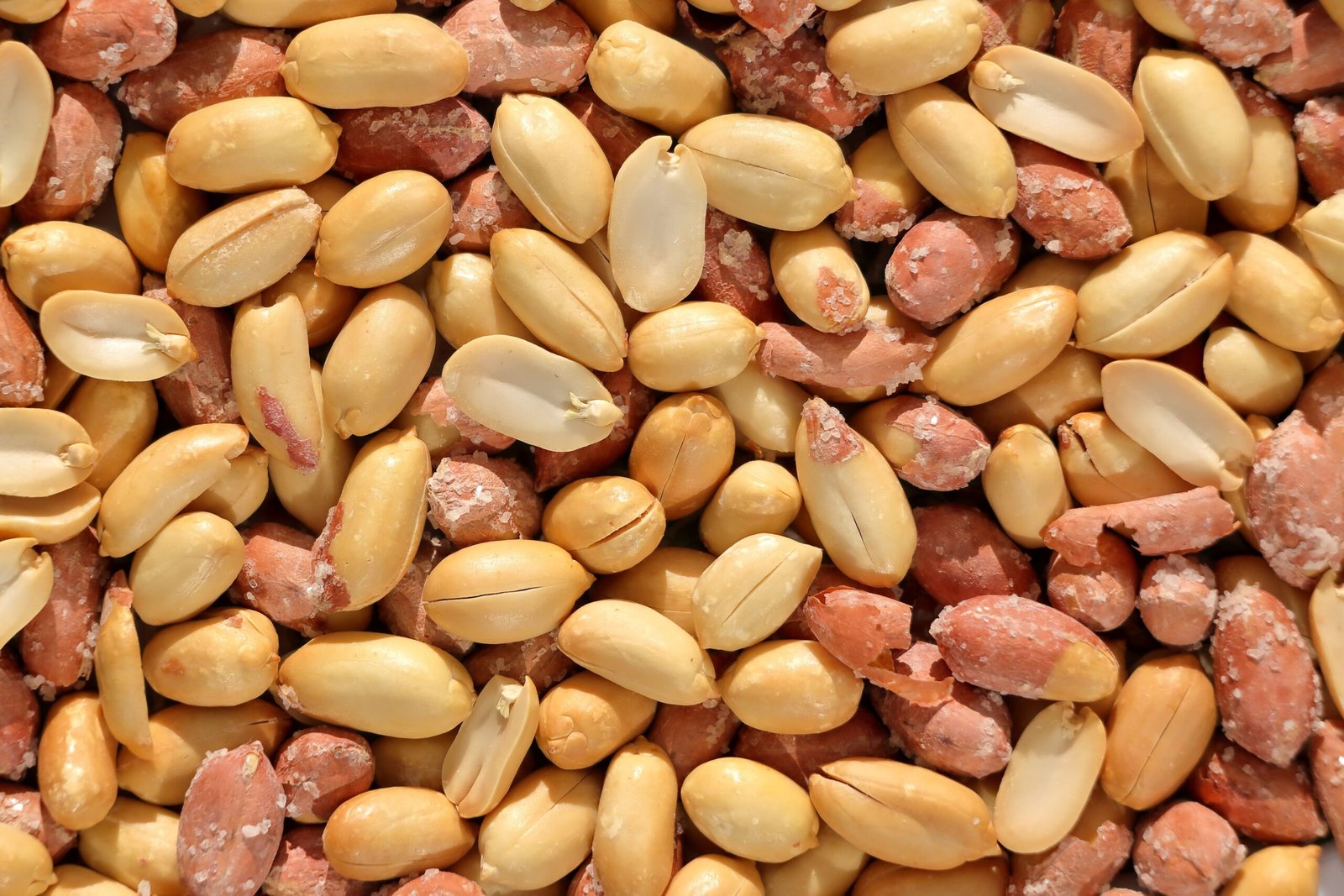
Peanuts may offer more than a convenient source of protein and healthy fats. New research suggests that eating them regularly could help the aging brain respond more effectively to insulin, a hormone that plays a key role in memory, learning, and communication between nerve cells.
As people grow older, the brain can become less sensitive to insulin, a change linked to age-related cognitive decline. A small clinical trial from the Netherlands suggests a simple dietary habit may help counter this. In a 16-week trial, researchers at Maastricht University Medical Center found that eating unsalted, skin-roasted peanuts daily improved insulin responsiveness in brain regions involved in memory. The study, conducted by the Institute of Nutrition and Translational Research in Metabolism (NUTRIM), was published in Food & Function.
How Peanuts Affected the Aging Brain
“The hormone insulin plays an important role in the brain, where it supports memory and other cognitive processes. As people age, the brain may become less responsive to insulin, which has been linked to age-related cognitive decline,” says Dr. Peter Joris, senior author and associate professor in the Department of Nutrition and Movement Sciences at NUTRIM. The trial included 31 healthy adults aged 60 to 75. It used a randomized, controlled crossover design, meaning each participant completed both a 16-week peanut period and a 16-week control period without peanuts. This allowed researchers to compare results within the same person.
During the peanut period, participants ate 60 grams daily — about two servings or 2.1 ounces. Premeasured packets helped them stay consistent. They could eat the peanuts in one sitting, divide them throughout the day, or add them to meals, ideally in the morning or afternoon.
The changes appeared in a cluster on the brain’s right side, encompassing parts of the lingual gyrus, hippocampus, parahippocampal gyrus, and posterior cingulate gyrus — all regions involved in memory.
“Our study found that daily peanut consumption beneficially affected insulin responsiveness in memory-related brain regions in older adults. These findings suggest that enhanced regional brain insulin responsiveness may contribute to the cognitive benefits of unsalted, skin-roasted peanut intake,” says Joris.
Measuring Insulin’s Effects on the Brain
To assess the brain’s response, researchers administered insulin through the nose and measured changes in regional cerebral blood flow (CBF) using arterial spin labeling magnetic resonance imaging (ASL-MRI). This advanced imaging method was combined with the dietary intervention lasting several months.
Earlier results from the same 16-week intervention, published in 2025 in Clinical Nutrition, showed a 3.6% increase in global cerebral blood flow, which supplies the brain with oxygen and nutrients, alongside a 5.8% improvement in verbal memory. The team also assessed cognitive performance using the Cambridge Neuropsychological Test Automated Battery (CANTAB) and measured liver fat, or intrahepatic lipid (IHL), with abdominal MRI.
“Multiple nutrients present in peanuts, including unsaturated fats, dietary fiber, vitamins and minerals, and bioactive phytochemicals, could potentially contribute to the observed brain benefits,” adds Joris. “Peanuts are also a good source of plant-based protein and are especially rich in L-arginine. L-arginine is a key precursor of nitric oxide (NO), which has been reported to facilitate learning and memory performance.”
Why This Matters for Brain Aging
Insulin in the brain does more than regulate blood sugar. It supports memory formation and helps nerve cells communicate. When the brain becomes less responsive to insulin with age, cognitive performance can decline. Improving regional insulin responsiveness in the hippocampus and related memory centers could therefore help maintain verbal memory and overall brain health. The peanut intervention is promising because it is low-cost, accessible, and rich in nutrients that support blood flow and brain function.
Researchers caution that the trial was small and conducted in healthy older adults. Larger and longer studies are needed to confirm benefits and explore effects in people with early cognitive decline.
Q&A
Q: How many peanuts did participants eat and for how long?
A: 60 grams per day of unsalted, skin-roasted peanuts — about two servings or 2.1 ounces — for 16 weeks, with packets provided to ensure consistency.
Q: What brain regions improved?
A: A cluster on the right side including lingual gyrus, hippocampus, parahippocampal gyrus, and posterior cingulate gyrus — all important for memory and spatial processing.
Q: How did researchers measure brain insulin response?
A: They gave insulin intranasally and measured changes in regional cerebral blood flow using ASL-MRI, an advanced MRI technique that tracks blood flow without contrast dye.
Q: Did memory actually improve?
A: Yes, in earlier published results from the same trial. The peanut period was linked to a 3.6% increase in global brain blood flow and a 5.8% improvement in verbal memory.
Q: Why might peanuts help the brain?
A: Peanuts contain unsaturated fats, fiber, vitamins, minerals, phytochemicals, and L-arginine, a precursor of nitric oxide, which supports blood flow and has been linked to learning and memory.
FAQ
1. Who conducted the study?
The study was led by Dr. Peter Joris at NUTRIM, Maastricht University Medical Center in the Netherlands, published in Food & Function.
2. What was the study design?
Randomized, controlled crossover trial with 31 healthy adults aged 60-75 who completed both a 16-week peanut phase and a control phase.
3. What type of peanuts were used?
Unsalted, skin-roasted peanuts. Researchers emphasized this form to avoid added salt and to retain skin-related phytochemicals.
4. Were there any downsides?
The study was small and short-term in healthy adults. It did not assess long-term dementia prevention and measured liver fat via MRI to
monitor metabolic effects.
5. Can I add peanuts to my diet for brain health?
Peanuts can be part of a balanced diet, but consider calories, allergies, and personal health conditions. Talk to your doctor or dietitian before making significant changes.
Disclaimer: This article is for informational purposes only and summarizes a small clinical trial of 31 participants. It does not constitute medical or nutritional advice. The findings do not prove that peanuts prevent cognitive decline or dementia. Consult a qualified healthcare professional before changing your diet, especially if you have peanut allergies, metabolic conditions, or are on medication.