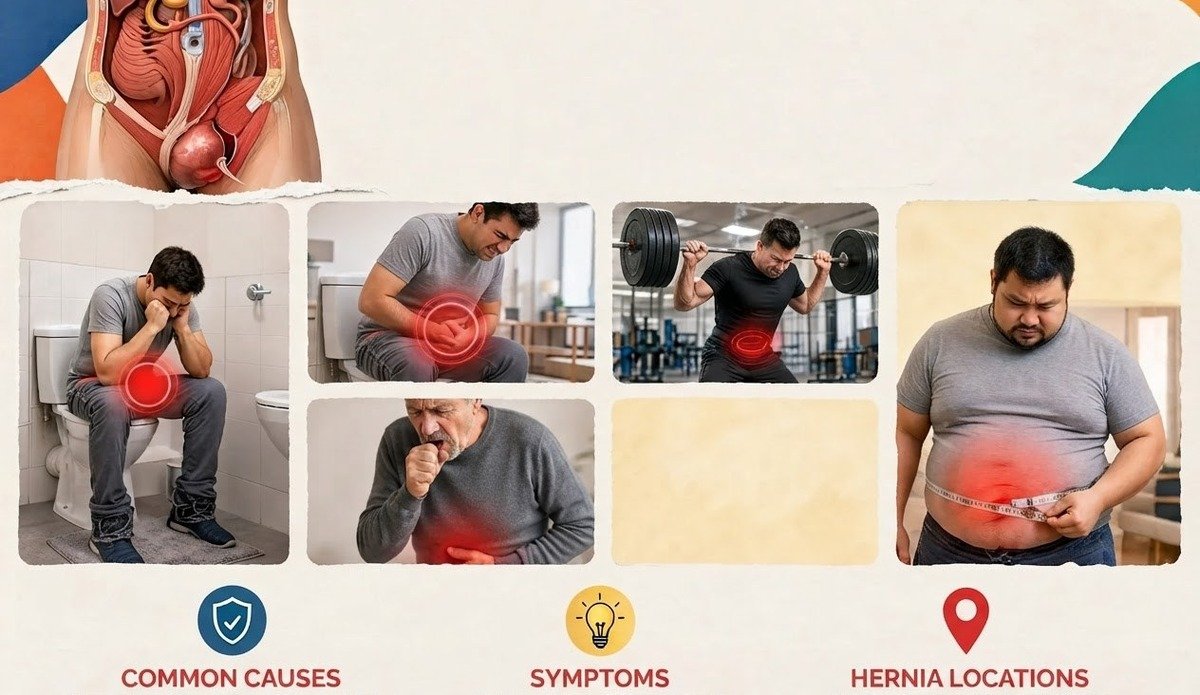
How Hernia Develop Silently Over Many Years
Everyday habits including poor posture and chronic straining silently weaken abdominal muscles and significantly increase your hernia risk over time.

Indian Flash | Positive news | Live
Diseases & Conditions
Covers:
Diabetes Management
Heart Health
Cancer Awareness
Infectious Diseases (incl. COVID)
Skin & Beauty Care
Sexual Health & Hygiene
Reproductive Health
Men’s & Women’s Health
Everyday habits including poor posture and chronic straining silently weaken abdominal muscles and significantly increase your hernia risk over time.
Peanuts may offer more than a convenient source of protein and healthy fats. New research suggests that eating them regularly could help the aging brain respond more effectively to insulin
Scientists have discovered that biological aging of certain white blood cells may provide important clue to depression, potentially opening door to blood test.
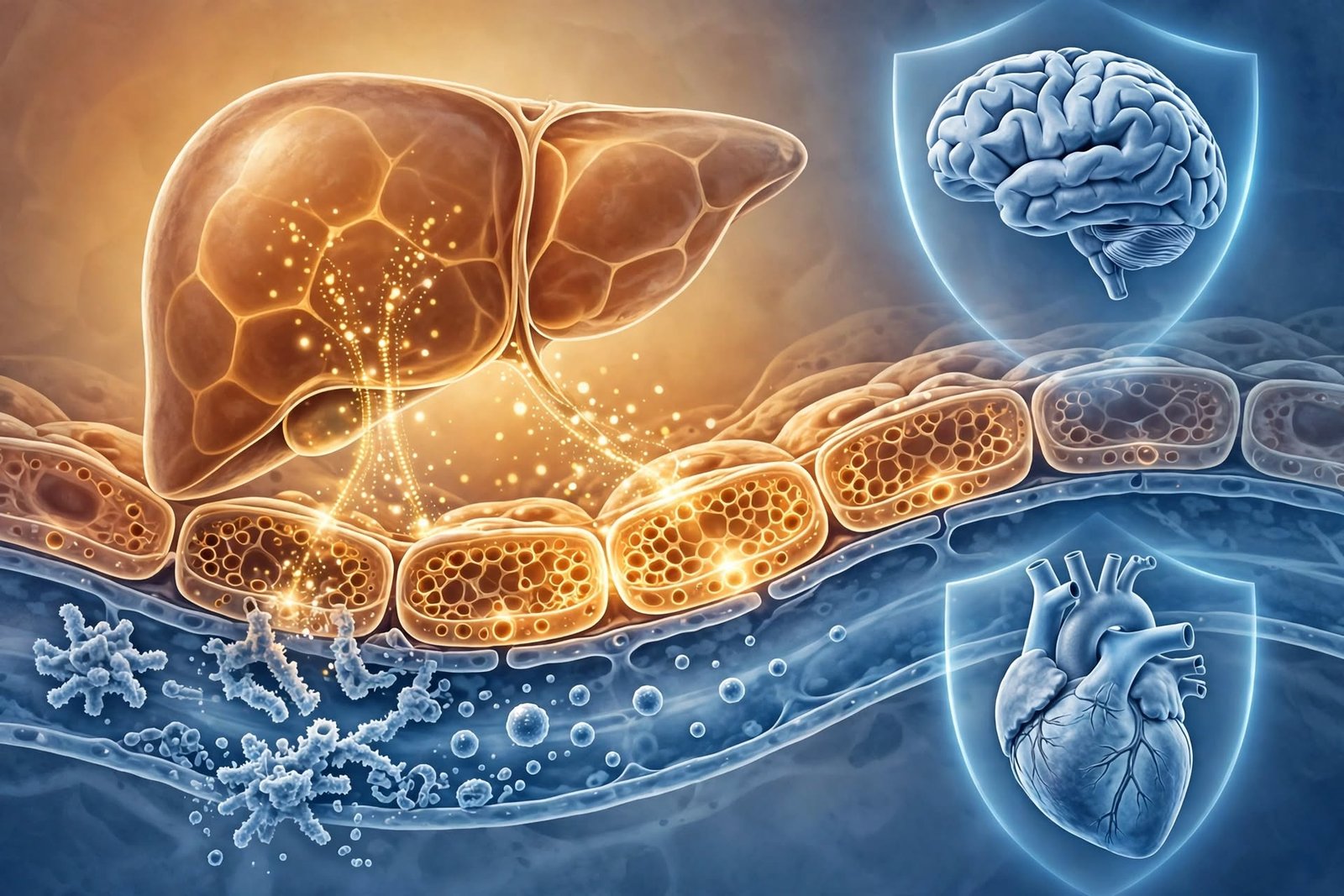
USC Keck School study found experimental drug cinaciguat restored aging liver sinusoidal endothelial cells in rats, cutting amyloid beta by 50% and bringing LDL to youthful levels via HB-EGF signaling.
unintentional and short daytime naps were linked to 48%, 39% and 40% higher dementia rates. Researchers say napping may be an early marker, not a cause.
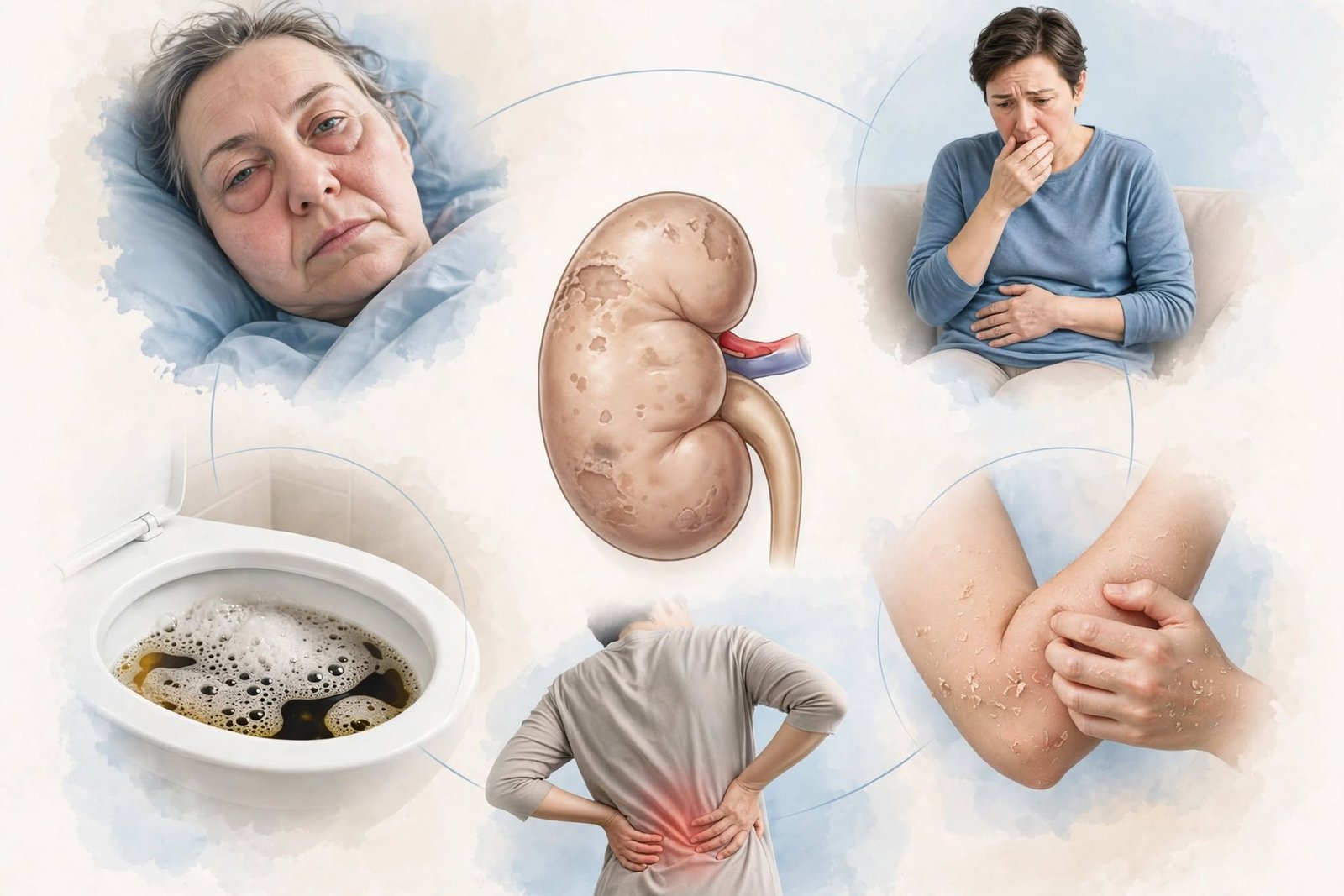
Kidney damage can show early warning signs in the morning, including facial swelling, nausea, foamy or dark urine, lower back pain, and skin dryness and itching
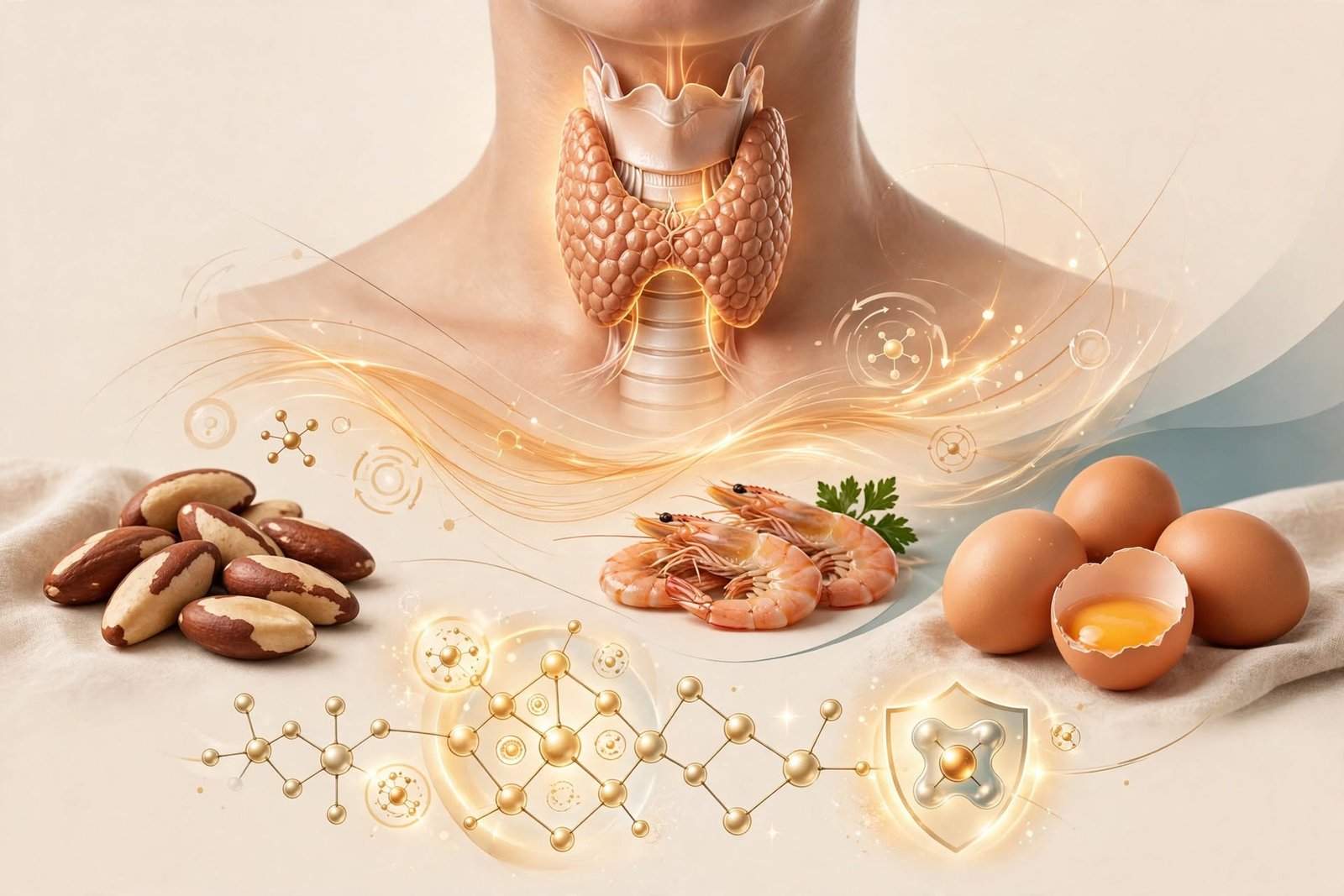
Thyroid conditions affect 20 million in the US; selenium, a key building block for selenoproteins concentrated in the thyroid, supports antioxidant function and hormone metabolism.
Regular exercise does more than strengthen heart muscle. A new research reveals it physically reshapes nerves controlling how heart functions effectively for better understanding.
A study of 316,542 adults finds low and high hemoglobin levels linked to higher dementia risk over 15 years, with different patterns for Alzheimer’s and vascular dementia.
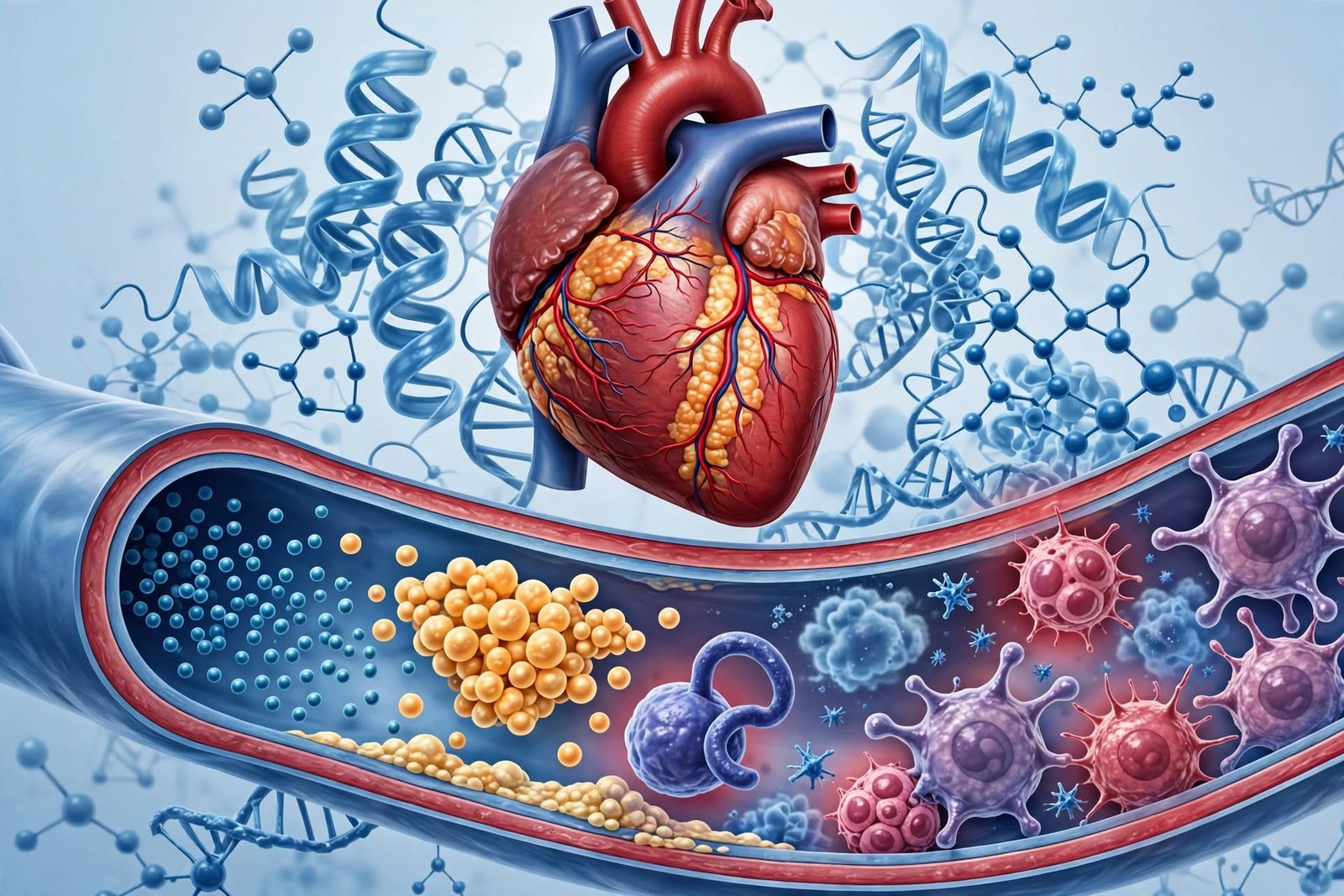
Chalmers University study finds triglyceride-rich lipoproteins and Lp(a) share inflammatory protein patterns, explaining remaining heart disease risk after LDL cholesterol is lowered.