Many people wake up with a rumbling stomach and reach for a fruit to provide energy before their first cup of tea. Bananas and dates are both popular morning choices, but many wonder which one serves the body better during those early hours. The best choice depends on your specific body needs, your unique digestion preferences, and the science behind sugar and fibre content.
After an overnight fast, your digestive system favours nourishment that is gentle, instantly available, and capable of providing sustained energy throughout the morning. The foods you choose first can significantly influence your blood sugar rhythms, your microbiome balance, and even your overall mood.
Some studies suggest that you should enjoy fruits at least 30 minutes before a heavy meal to ensure optimal absorption and comfort. However, personal biology rules because what suits one person’s digestive tract may easily irritate another due to acidity or blood sugar sensitivity.
The Case for the Morning Banana
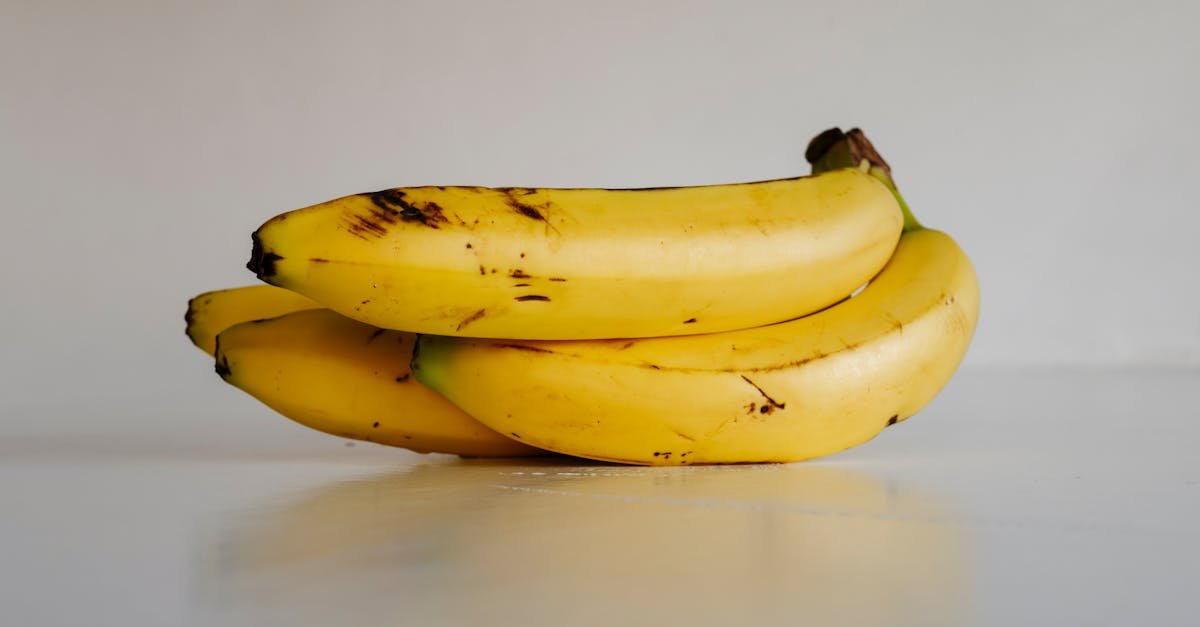
Bananas are exceptionally high in potassium, magnesium, and soluble fibre, which support smooth digestion and help feed beneficial gut bacteria. The resistant starch and soluble fibre found in bananas help slow down sugar absorption, aiding in steady energy release without causing a sharp spike.
Furthermore, bananas are easy to digest for most people, making them helpful before a morning workout or a busy mid-morning activity. Nutritionists suggest enjoying bananas with oats, nuts, or yoghurt to balance the natural sugars and support long-term fullness.
The Nutritional Power of Dates
Dates are rich in fibre and natural sugars that release energy steadily, which helps you prevent those dreaded mid-morning energy crashes. Replete with fibre, dates help nurture regularity and support bowel health, especially when you traditionally soak them before consuming.
Powered with antioxidants, iron, and micronutrients, dates can effectively boost your metabolism and resilience after you have been in a fasted state. Because dates have concentrated sugars and a higher calorie density, you should consume them in moderation or pair them with proteins.
Analysis: Which One Should You Choose?
While both fruits offer incredible benefits, the winner depends on your immediate physical goals and your underlying health conditions. Bananas serve as an excellent prebiotic choice for those focusing on gut health, providing a gentle start for sensitive stomachs.
In contrast, dates are a powerhouse of iron and antioxidants, making them ideal for individuals who need a quick, nutrient-dense metabolic boost. If you struggle with blood sugar surges, the resistant starch in bananas may offer a safer, more stable energy curve than concentrated dates.
Q&A: Your Morning Fruit Questions Answered
Q: Is it better to eat fruit before or after a heavy breakfast?
A: You should eat fruit at least 30 minutes before a heavy meal to allow for the best possible absorption and digestive comfort.
Q: Why is soaking dates recommended?
A: Traditional practices suggest that soaking dates helps improve your digestion and supports smoother bowel movements throughout the day.
FAQ: Common Concerns About Early Morning Fruit
Can bananas help with gut health?
Yes, bananas act as a prebiotic that feeds beneficial gut bacteria and supports a healthy microbiome balance.
Should I avoid dates if I have blood sugar sensitivity?
You should eat dates in moderation and pair them with proteins to help temper any potential blood sugar surges.
What can I pair with a banana to stay full longer?
Pairing your banana with oats, nuts, or Greek yoghurt can help balance the sugars and keep you feeling satiated.
Are dates good for metabolism?
Yes, the iron and micronutrients in dates help boost your metabolism and overall resilience after your overnight fast.