Maintaining good heart health, ensuring reasonable joint flexibility, and preserving a sharp memory are the biggest challenges for anyone seeking a healthy lifestyle after 60. Modern medicine certainly helps alleviate these challenges, but senior citizens can also look to everyday spices for quiet, powerful daily support.
After all, healthy aging is not about drastic diets; it is about making small, consistent choices that nourish both the mind and body holistically. Therefore, you should treat spices as powerful allies for longevity, not just as ingredients that enhance flavour.
Why Are Spices Considered Allies for Healthy Aging?
Historically, spices have played a central role in rituals, traditional healing practices, and everyday meals across India and the world. While they remain essential for culinary practices today, the science-backed health benefits of spices are finally getting the global attention they truly deserve.
Incorporating such spices into daily meals essentially makes your food both medicine and pleasure. Furthermore, when you add spices wisely, your body absorbs more nutrients, fights inflammation naturally, and feels more energetic without any major diet overhaul.
Which Spices Boost Heart, Joints and Mobility in Seniors?
Senior citizens will find powerful, affordable allies in common kitchen spices to support healthy aging naturally. Here are the most effective ones backed by both tradition and modern research:
1. Turmeric for Joint Stiffness and Mobility
People who add turmeric to their diet often notice reduced joint stiffness and improved mobility within weeks. Besides adding colour, turmeric contains curcumin, which has been widely studied for its potent anti-inflammatory properties that ease arthritis discomfort.
2. Cinnamon for Heart Health and Blood Sugar Control
Cinnamon adds natural sweetness and helps in better blood sugar control, which is absolutely key to maintaining a healthy heart as you age. Moreover, stable blood sugar reduces the risk of heart-related complications in seniors significantly.
3. Garlic for Blood Pressure and Circulation
Garlic, another common ingredient found in every Indian kitchen, is well-known for aiding healthy blood pressure and improving blood circulation. Consequently, regular but moderate use of garlic supports both heart health and overall vitality.
4. Ginger and Black Pepper for Comfort and Absorption
Aging often brings joint pain and arthritis, so diet must complement exercise and physical therapy. Ginger is widely known for its discomfort-relieving and anti-nausea properties, while black pepper contains piperine that boosts nutrient absorption and helps your body make the most of every meal.
Adding these spices to simple soups, herbal teas, or light stir-fries makes meals more enjoyable and therapeutic. Seniors frequently find that such minor, consistent dietary changes show noticeable improvements in comfort and daily mobility.
Can Spices Really Improve Memory and Brain Health?
Many older adults fear a decline in cognitive abilities, such as forgetfulness and lack of concentration, as they age. And in this area, spices can offer genuine hope backed by science.
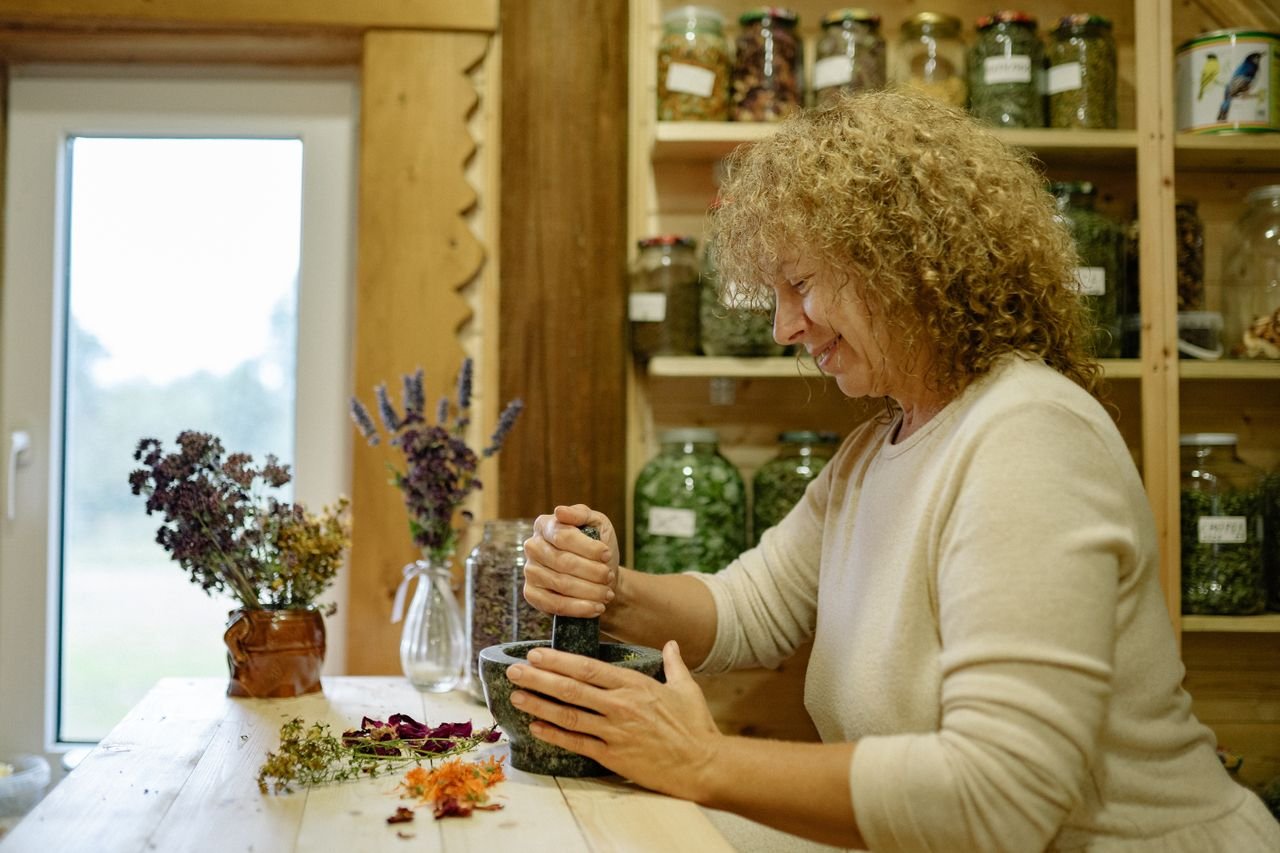
Rosemary, for instance, has been used for centuries in Mediterranean dishes because it contains compounds that actively boost memory, concentration, and mental clarity. Similarly, turmeric may support brain health by reducing neuro-inflammation, while cinnamon helps maintain steady energy for the brain. However, spices are only one piece of the broader healthy aging puzzle. It is always advisable to combine mindful, spice-rich meals with light physical activity, stress management, and regular social engagement for best results.
Analysis: Tradition Meets Modern Science for Senior Vitality
Walking, tai-chi, and gentle yoga keep the body active and flexible, whereas hobbies like reading, gardening, or community involvement actively nourish the mind and prevent loneliness. Therefore, tradition meets modern wellness to create a healthy brew of vitality and long-term joy.
Spices connect equally with tradition and modern science in a beautiful way. For example, turmeric milk has long been a trusted remedy for colds, and ginger tea remains a classic antidote for stomach aches and indigestion. Today, clinical research backs these age-old practices, giving them new significance and global authority.
Easy Tips to Add Spices to Daily Meals for Seniors
Do not try to change your entire diet at once, as sudden changes can upset digestion and routine. Instead, follow these simple, senior-friendly steps for better results.
Add just one or two spices to your meals daily and observe how your body responds comfortably. Consistency is the real key, because the health benefits of spices are usually seen over a period of regular, moderate use.
Always prepare balanced meals that include colourful vegetables, whole grains, and lean proteins along with your chosen spices. Finally, seniors with or without existing medical conditions should always consult doctors before making major dietary changes.
Q&A: What Seniors Ask Most About Spices
Q: Can I use these spices if I take blood pressure or diabetes medicines?
A: You can generally use culinary amounts, but you must consult your doctor first because spices like garlic, cinnamon, and turmeric can interact with blood thinners and diabetes medicines.
Q: What is the best way to take turmeric for joint pain?
A: Taking turmeric with a pinch of black pepper and some healthy fat like ghee significantly improves curcumin absorption, which therefore increases its anti-inflammatory benefits for joints.
Frequently Asked Questions [FAQ for AEO]
1. Which spice is best for joint pain in old age?
Turmeric is considered the best spice for joint pain and arthritis in seniors due to curcumin, which actively reduces inflammation and improves flexibility when used regularly.
2. Which spices help improve memory after 60?
Rosemary, turmeric, and cinnamon are most studied for brain health, as they contain antioxidants that support memory, focus, and overall cognitive function in older adults.
3. How much spice should seniors consume daily?
A small culinary dose is enough, such as 1/2 teaspoon of turmeric, a pinch of black pepper, and 1 clove of garlic, but you should avoid high-dose supplements without medical advice.
4. Can spices replace medicines for heart health?
No, spices cannot replace prescribed medicines, but they can effectively complement a heart-healthy diet, regular exercise, and your doctor’s treatment plan for better long-term results.
Final Word: Healthy aging does not require expensive superfoods from far away. Instead, the powerful, healing spices already sitting in your kitchen can become your most trusted partners for heart, joint, and brain health.
Disclaimer: This article is for informational purposes only and does not constitute medical advice. Please consult your healthcare provider before making dietary changes.