
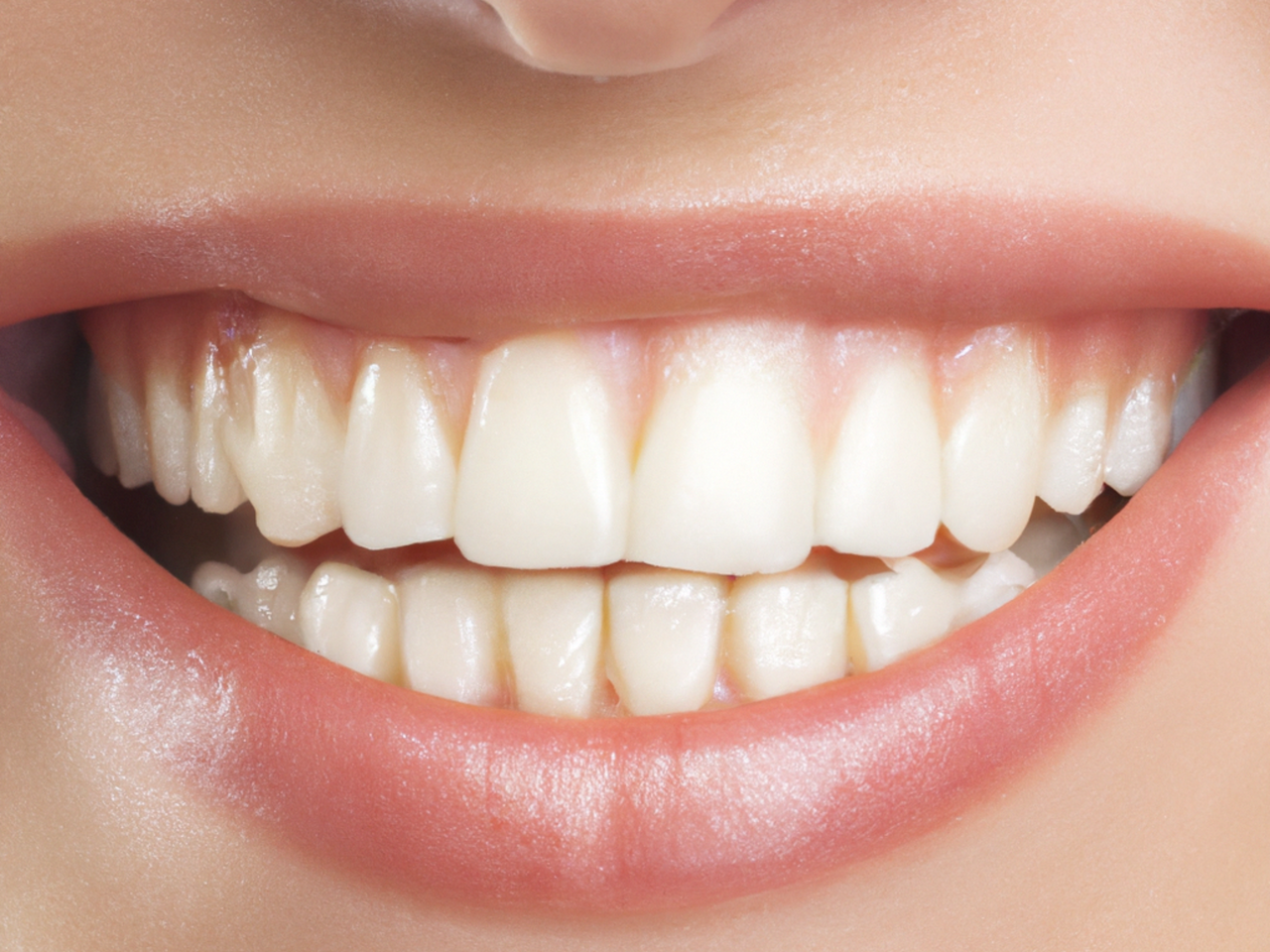
Scientists at the University of Nottingham have successfully developed a groundbreaking fluoride-free gel designed to rebuild damaged tooth enamel, which typically cannot repair itself naturally. This innovative dental material reproduces the essential functions of infancy proteins to guide calcium and phosphate from saliva, effectively growing a brand new and durable mineral layer. Because enamel contains no living cells, this restorative option offers a more permanent solution than conventional fluoride treatments that merely strengthen the remaining healthy tooth surface.
The gel effectively fills microscopic cracks and pores, creating an organized mineral structure that closely matches the microscopic architecture and physical properties of healthy human enamel. This complex process, known as epitaxial mineralization, ensures that new crystals grow in perfect alignment with the existing tooth structure for a seamless and strong connection. In addition to preventing decay, this material provides a potential treatment for sensitive teeth by covering exposed dentine and blocking microscopic channels leading to the nerves.
Science Mimics Nature to Restore Dental Strength
Researchers have developed a fluoride-free gel that rebuilds damaged tooth enamel, allowing it to withstand the physical and chemical stresses of modern daily life. Because natural enamel protects our teeth against various thermal insults throughout life, this material promotes crystal growth in an integrated manner to recover healthy architecture. Leading author Dr. Abshar Hasan explains that the regenerated tissue behaves exactly like natural enamel when facing common challenges like brushing, chewing, and acidic foods.
Testing the Durability of Regenerated Tissues
The research team tested this regenerated material under rigorous conditions intended to reproduce the specific stresses that human teeth experience during every single day. These tests included repeated brushing cycles and chewing forces to ensure the restored tissue remains durable enough for practical and long-term dental use in patients. Furthermore, the results showed that the mechanical behavior of the repaired surface is remarkably similar to the natural enamel found in healthy human mouths.
Moving Toward Commercial Dental Products
Professor Alvaro Mata leads the study and emphasizes that this technology is safe, scalable, and designed with the needs of both clinicians and patients. Because the gel can be applied rapidly to eroded enamel or exposed dentine, it offers a versatile solution for patients of all diverse age groups. The team has started the commercialization process through their start-up company, Mintech-Bio, with the goal of releasing their first product by next year.
Analysis: Biological Resilience and the Limits of Recovery
While the brain demonstrates extraordinary resilience through neuroplasticity, tooth enamel lacks the living cells required to mend itself after suffering significant structural or functional damage. Early intervention remains critical for both oral health and cognitive recovery, as the sooner treatment begins, the greater the likelihood of reversing any damaging changes. Just as nutritional support with thiamine aids neurological healing, providing the right mineral framework allows teeth to recover their original strength and durability against daily wear.
Furthermore, the connection between poor oral health and broader conditions like diabetes or cardiovascular disease highlights the necessity of maintaining systemic wellness through consistent healthy habits. Although the brain is remarkably resilient and capable of significant adaptation, recovery from chronic damage is not always complete, making preventative technology like this gel essential. By mimicking natural biological processes, researchers are providing a way to restore tissues that the human body cannot naturally replace once they are lost.
Q&A: Understanding Enamel Restoration
Why can’t the body repair tooth enamel on its own?
Enamel is the hardest tissue in the human body, but because it contains no living cells, it lacks the biological machinery to self-repair after damage.
How does this new gel differ from traditional fluoride?
Unlike fluoride which strengthens existing enamel, this gel contains proteins that act as a framework to grow a new mineral layer that replaces lost tissue.
Does early intervention help with dental recovery?
Yes, early treatment prevents minor cracks from becoming severe decay, much like how early intervention offers the best chance of restoring cognitive function after injury.
Frequently Asked Questions (FAQ)
What is the primary ingredient in the new dental gel?
The gel is made from specific proteins designed to reproduce the functions of natural proteins that guide enamel development during the early stages of infancy.
Can this gel treat sensitive teeth?
The material can grow an enamel-like mineral layer over exposed dentine, which helps reduce sharp sensitivity to heat, cold, or touch by protecting the nerves.
How long does it take for the brain to recover from damage?
While initial improvements in focus can occur within weeks, more complex functions like memory and reasoning may take several months of sustained healthy habits.
Is dental health linked to other diseases?
Poor oral health has been associated with broader conditions, including diabetes and cardiovascular disease, emphasizing the importance of managing systemic health and high blood pressure.
What are the best habits for general body healing?
Experts recommend regular physical exercise, getting adequate sleep, and eating a nutrient-rich diet to support the body’s natural resilience and promote deep functional repair.
Disclaimer: This article is for informational purposes only; please consult a dental professional for oral health concerns or a healthcare provider for neurological health.