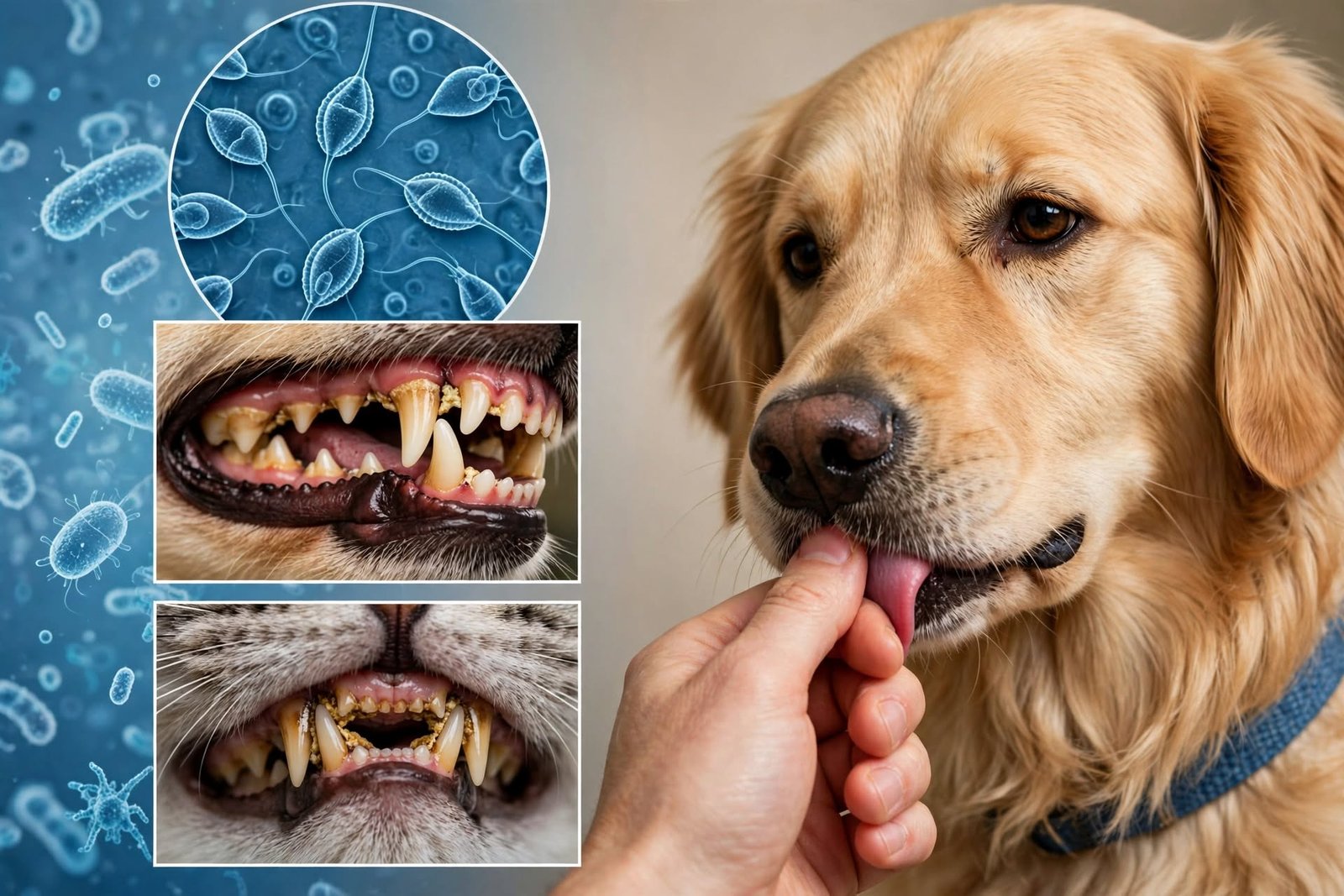
1 in 6 Dogs May Carry Human Mouth Parasite
Polish study of 238 pets finds Trichomonas tenax in 17% of dogs and 6% of cats, suggesting human-to-pet transmission through close contact and saliva.

Indian Flash | Positive news | Live
Polish study of 238 pets finds Trichomonas tenax in 17% of dogs and 6% of cats, suggesting human-to-pet transmission through close contact and saliva.
Lancet Countdown 2026 finds 710,000 heat deaths in 2023 with 71.5% linked to climate change, $1.07 trillion work loss, and calls for WHO to declare global health emergency
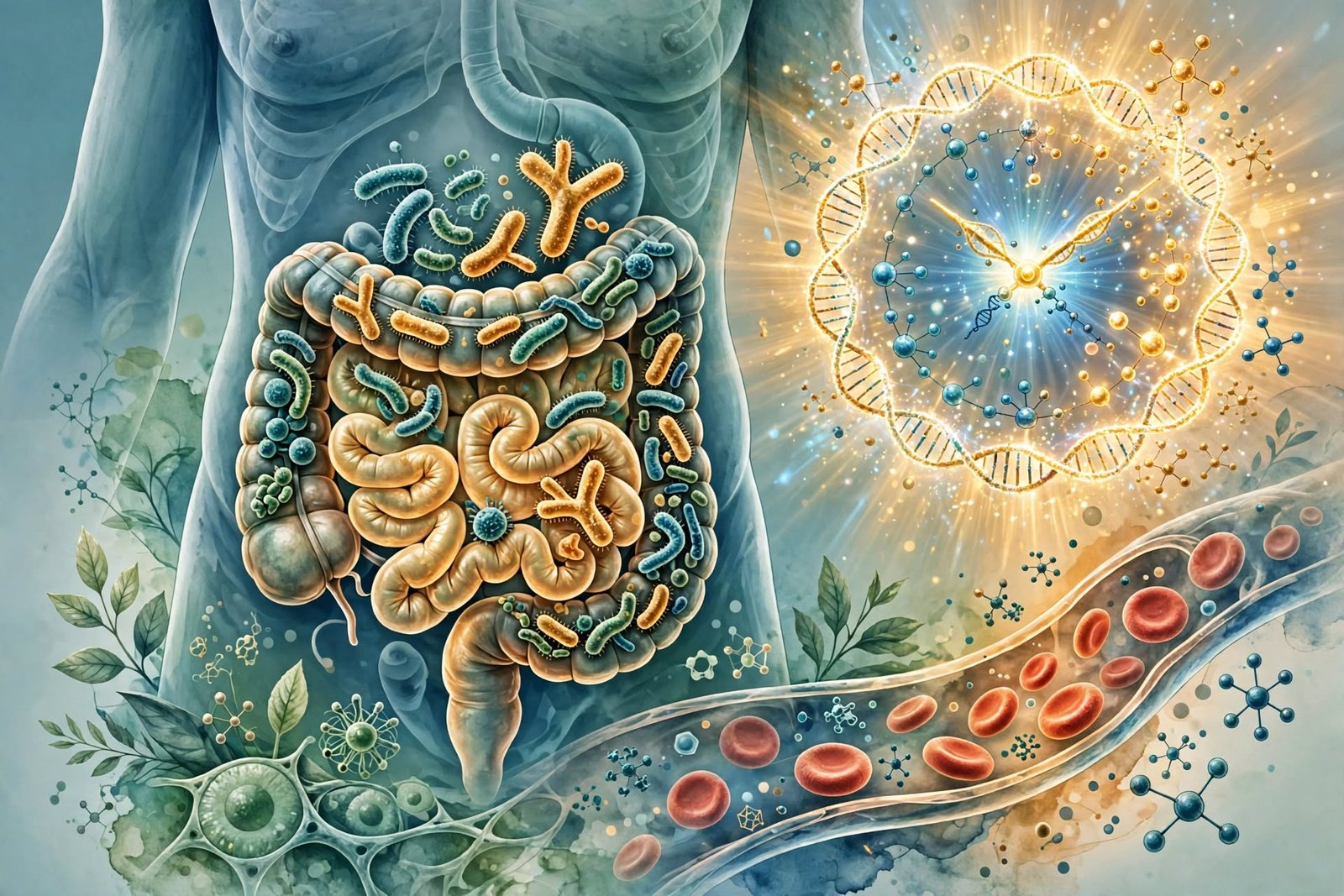
University of Hawai’i study of 123 adults finds gut microbiome explains 15% of biological aging variation, with Bifidobacterium linked to slower aging and Succinivibrio to faster aging.
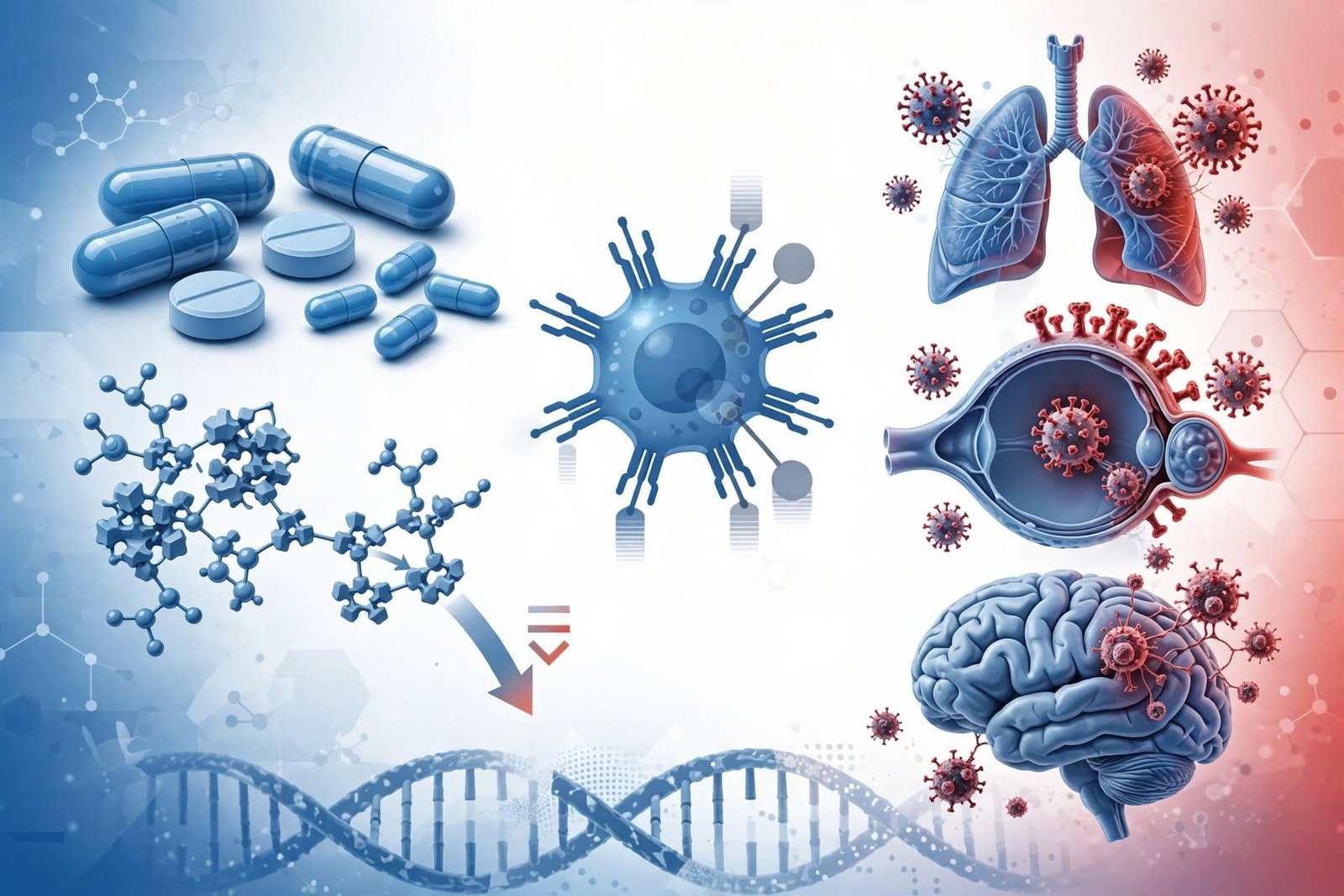
NTNU researchers find JAK inhibitors like baricitinib suppress antiviral immune signaling, making it easier for influenza, adenovirus, SARS-CoV-2 and Rift Valley fever virus to infect cells.
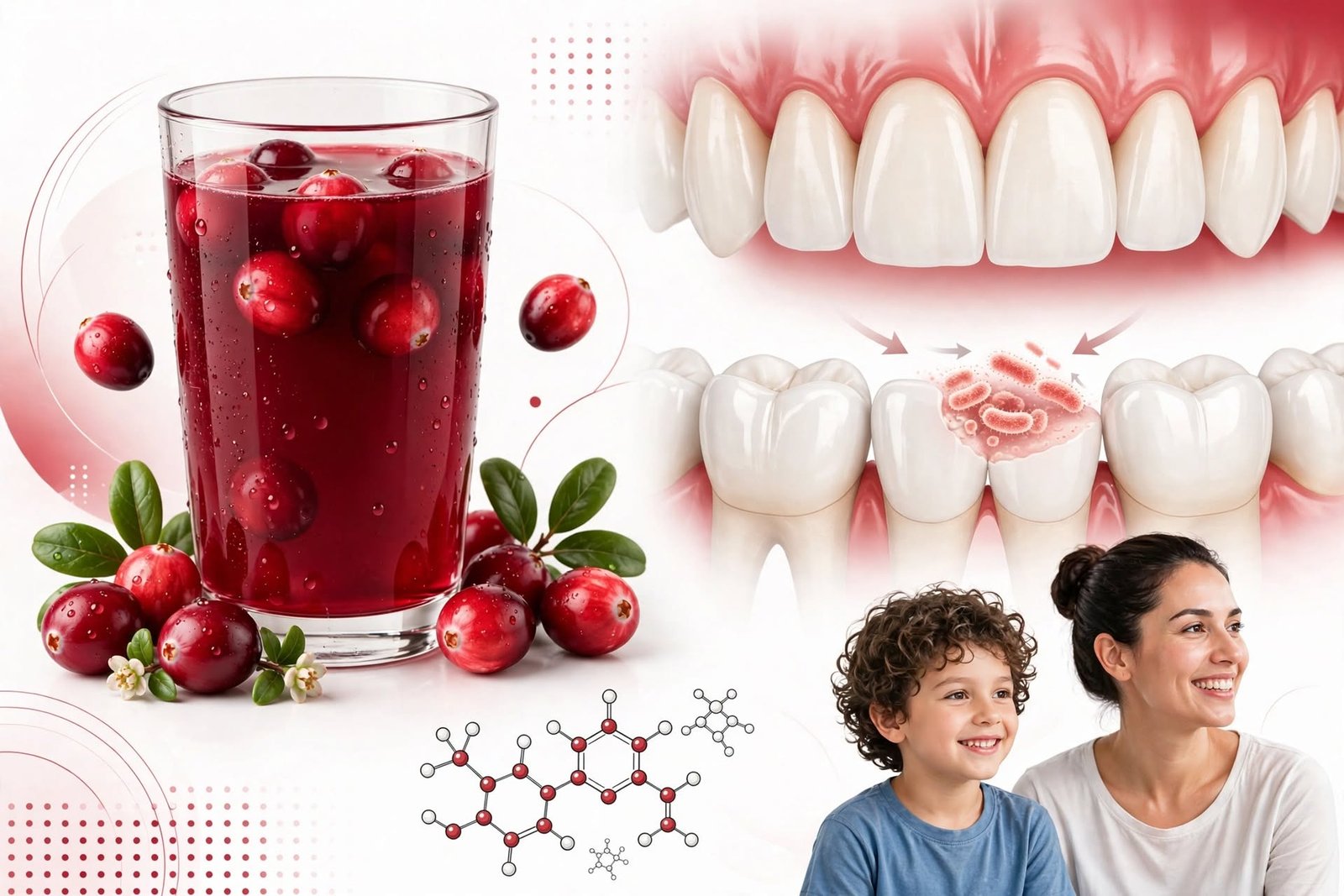
UIC study of 22 adults and children finds unsweetened 100% cranberry juice linked to slower dental plaque regrowth and lower acid production than sugary cocktail or water.
For tens of millions of people, dental implants have provided way to replace missing teeth with full set of fixed, functional teeth rather than removable dentures
Research showing petting your dog or cat can lower stress levels, and it even an effect we can see in brain, highlighting deep human-animal bond.
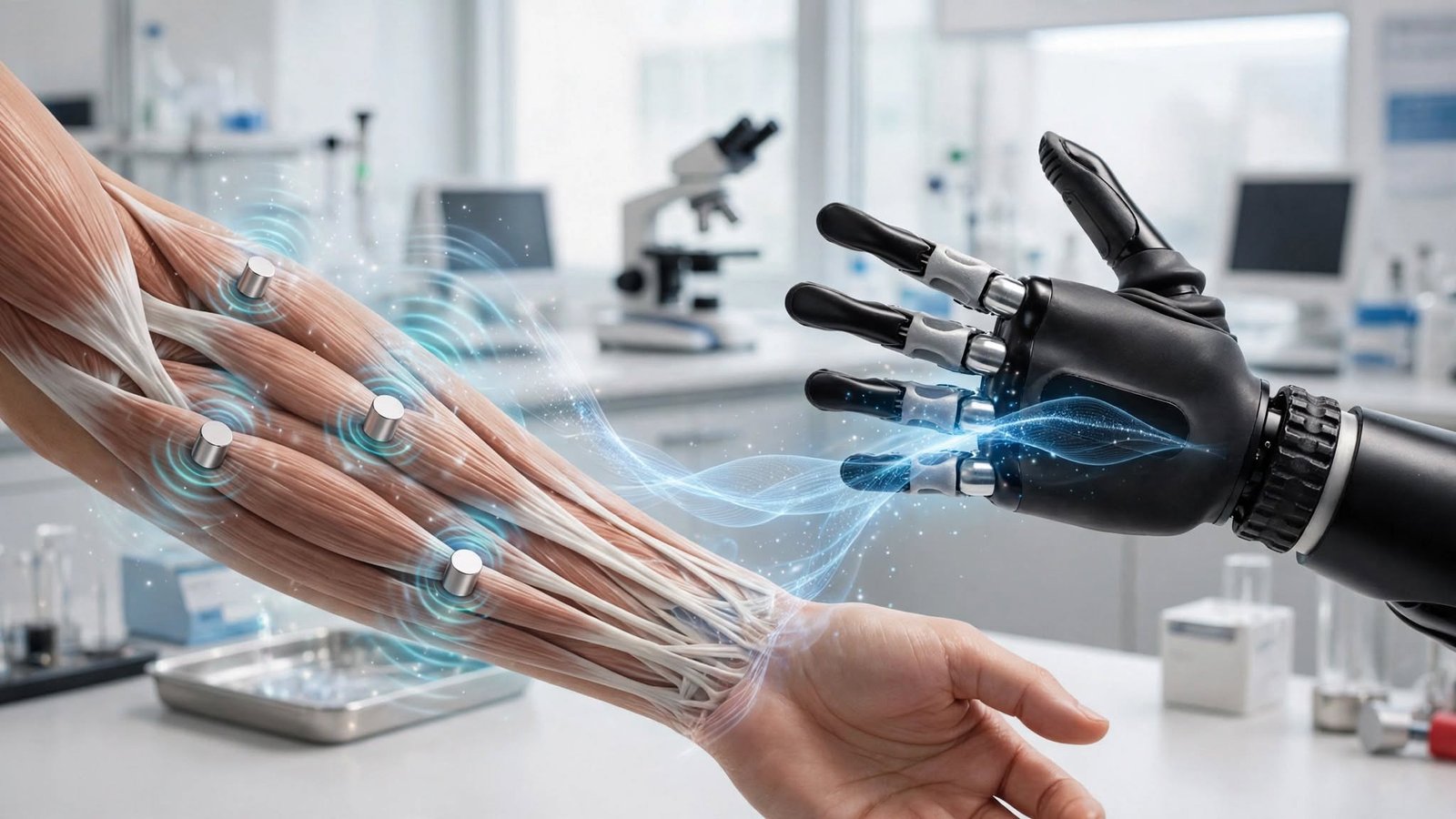
Tiny magnets implanted in muscles are helping prosthetic hand feel like it is opening closing naturally restoring kinesthesia sensation intuitively rapidly significantly consistently.
Scientists have discovered that biological aging of certain white blood cells may provide important clue to depression, potentially opening door to blood test.
First necks may owe more to beginnings of walking than to looking around according to models showing how little early ancestors could move heads effectively currently.