Morning Habits That Damage Your Kidneys
morning mistakes harm kidneys: not drinking water before coffee, holding pee, painkillers empty stomach, skipping hydration after exercise, skipping breakfast.

Indian Flash | Positive news | Live
Diseases & Conditions
Covers:
Diabetes Management
Heart Health
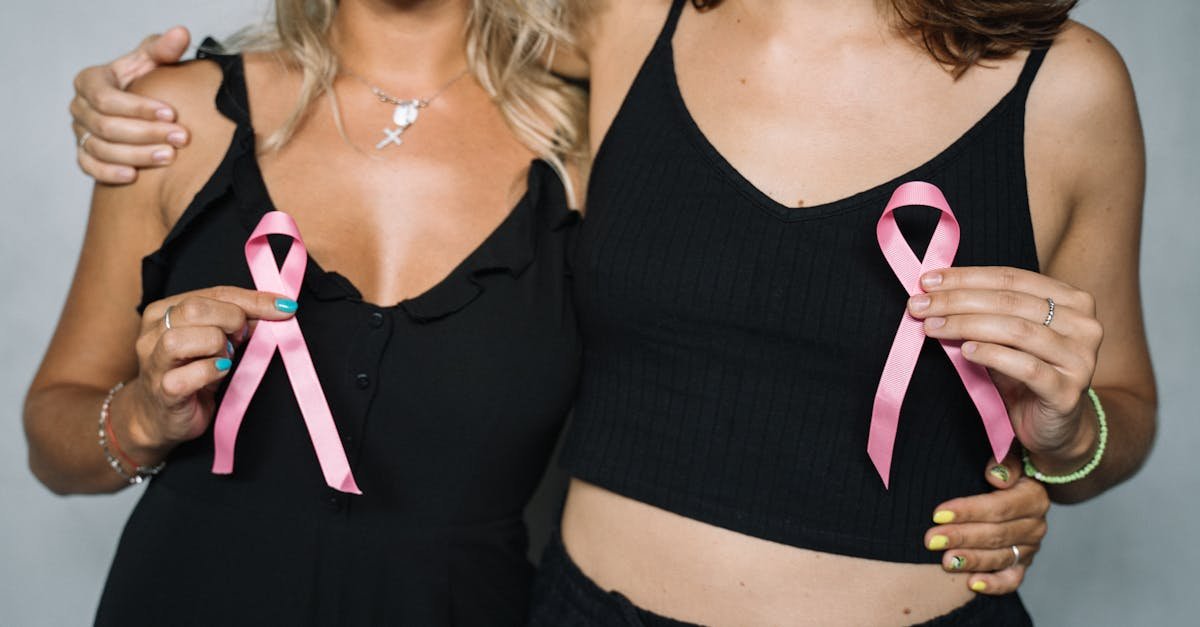
Cancer Awareness
Infectious Diseases (incl. COVID)
Skin & Beauty Care
Sexual Health & Hygiene
Reproductive Health
Men’s & Women’s Health
morning mistakes harm kidneys: not drinking water before coffee, holding pee, painkillers empty stomach, skipping hydration after exercise, skipping breakfast.
Trends in Cardiovascular Medicine study says resting heart rate is powerful predictor of mortality; learn normal 60-100 bpm range, tachycardia, bradycardia signs.
International Journal of Cancer study of 450,112 people tracked 14.1 years finds 30g more processed meat daily linked to 9% higher gastric cancer and 13% higher esophageal adenocarcinoma risk.
Adelaide University and Olivia Newton-John Institute study in EMBO Molecular Medicine finds low miR-342 drives TNBC metastasis, palbociclib reduces lung and bone spread.
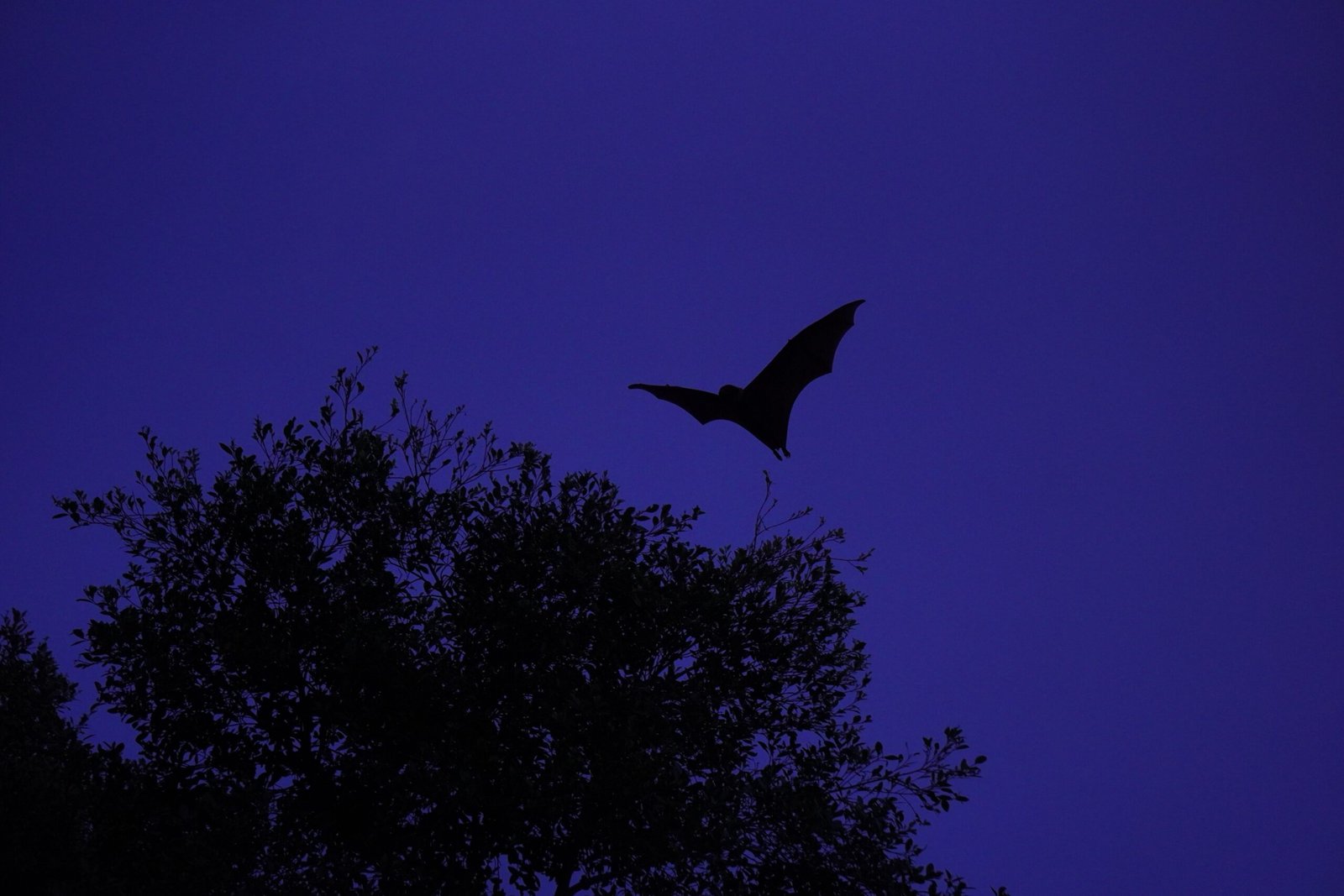
Nature study by UC Berkeley and Penn State finds Myotis bats live 50 years by boosting immune genes and triggering cell death instead of DNA repair.
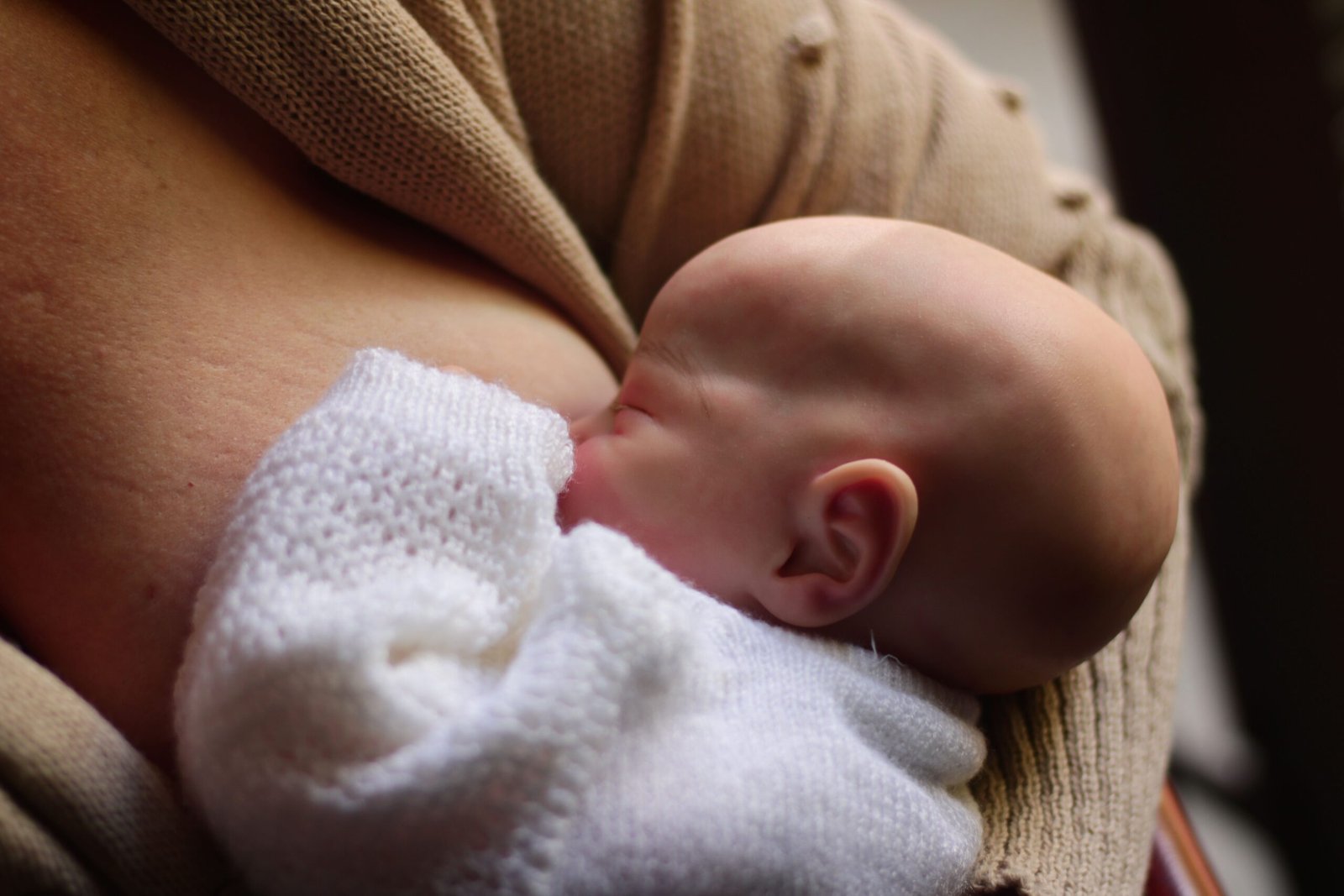
JAMA Network Open study of 470 women finds 80% or more breast milk feeding reduces hypertriglyceridemia and improves cholesterol ratio postpartum after gestational diabetes.
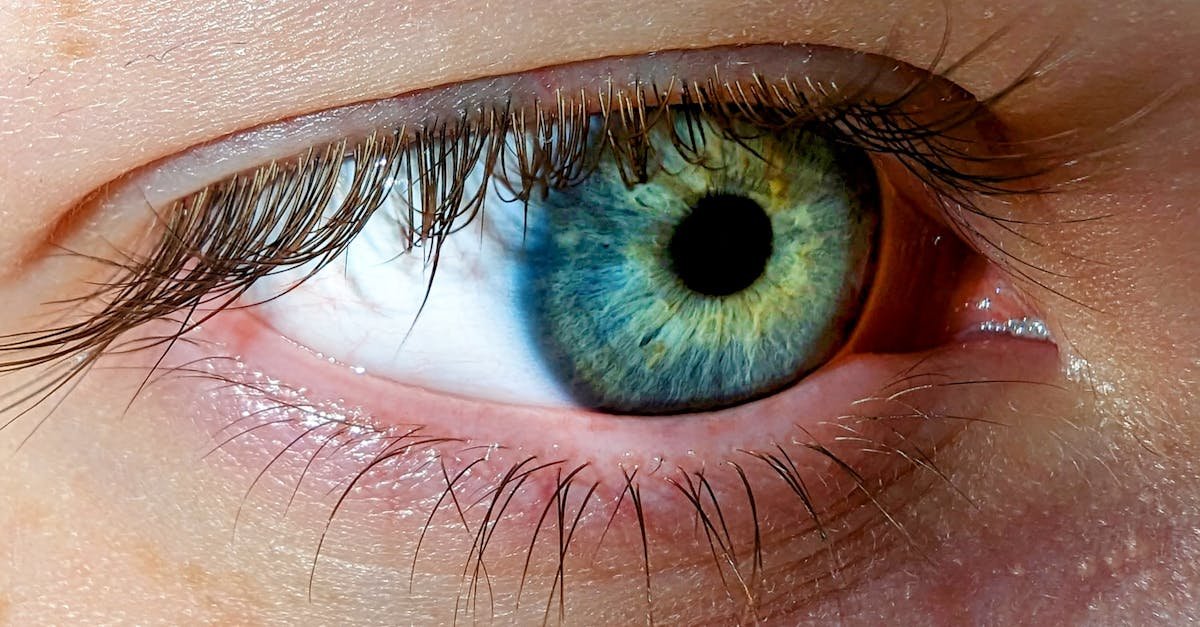
Stanford study of 17,925 patients in Atherosclerosis finds xanthelasma yellow eye patches linked to 3x higher heart attack and stroke risk for 10 years.
Global Cancer Statistics 2026 reports 21M diagnoses, 9.8M deaths in 2024. Cases will rise 67% to 34M by 2050.
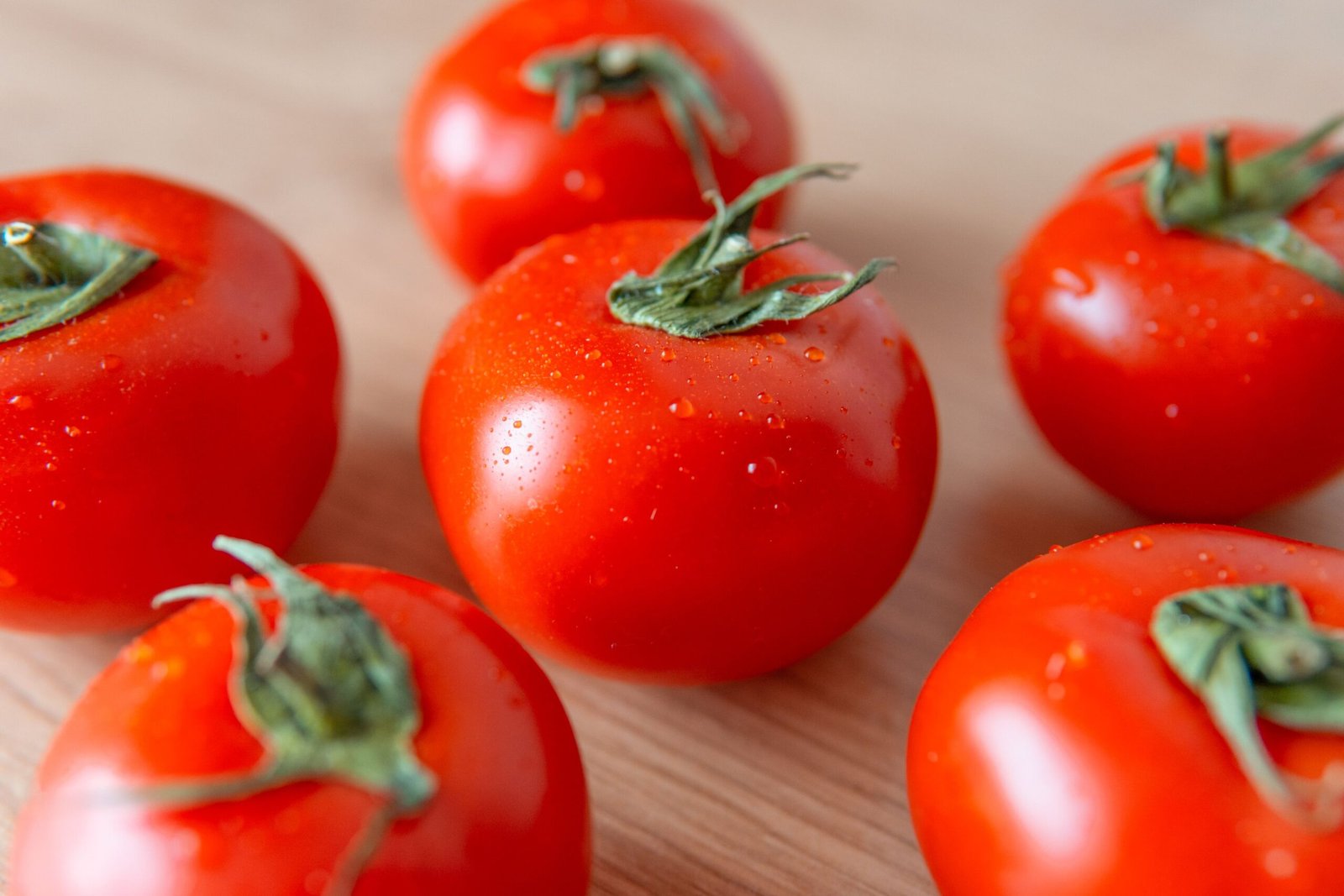
Tufts University study in Molecular Nutrition & Food Research finds colorless tomato compound phytoene sharply reduces fatty liver disease in mice by helping liver burn fat.
New Brazilian study in PLOS Global Public Health finds temperatures below 19°C raise cardiovascular hospitalization risk in both tropical and temperate cities, analyzing 3M cases.