
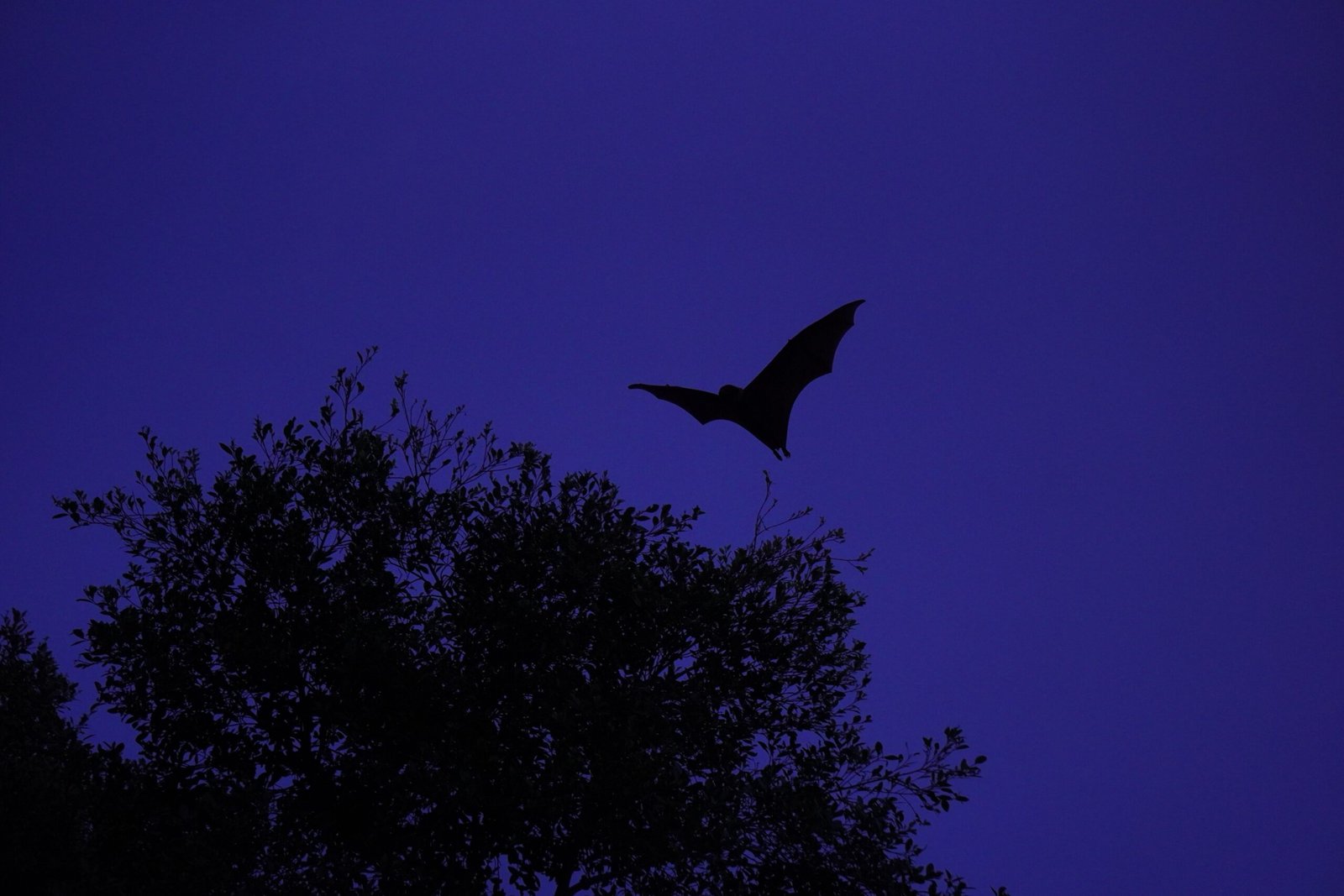
Bats are unusually long-lived for animals of their size. Small mammals generally burn energy quickly and die relatively young, yet some bats survive for several decades.
Brandt’s myotis, Myotis brandtii, holds bat longevity record after one individual banded in Europe was found alive 50 years later. That biological puzzle fascinated Juan Manuel Vazquez when he was graduate student at University of Chicago.
At that time, too few high-quality bat genomes were available to explain slow aging. After joining UC Berkeley as postdoctoral fellow in 2020, he began building biological collection needed to investigate question himself. With help from Berkeley undergraduates, Vazquez traveled across Western U.S., stretching mist nets above streams and ponds after dark. Researchers collected tiny wing biopsies from captured bats before releasing them, concentrating on genus Myotis.
Bat Genomes Reveal Direct Link Between Longevity and Immunity
In study published in Nature, Vazquez and colleagues analyzed genomes of eight Myotis species. Their comparison linked longer lifespans with stronger representation of genes involved in immune defense and cancer suppression. Connection suggests healthy aging and resistance to disease may be different outcomes of same biological machinery. Immune system that remains effective without producing uncontrolled inflammation could help animal eliminate infections and remove dangerous cells.
“Bats evolved to live for long time without getting diseases, which suggests we don’t necessarily need to look at diseases of aging and infection as completely separate fields,” Vazquez said. “We can look at these bats and try to understand how, in same way you can improve immune system to fight off viruses, maybe you can improve immune system so it doesn’t decline in old age,” he added.
The Evolutionary Mystery: Peto’s Paradox and Cancer Resistance
This approach addresses larger evolutionary mystery sometimes called Peto’s paradox. Animals with more cells and longer lives should, in theory, accumulate more cancer-causing mutations. Yet species such as bats, whales, and elephants have evolved defenses that prevent size or longevity from producing expected surge in cancer. Therefore, studying them may reveal new solutions for human disease.
“By looking across diversity of life and remarkable longevities of different species, we hope we can better understand interplay between DNA damage and immune system,” said Peter Sudmant, UC Berkeley associate professor of integrative biology.
“If you start looking at long-lived species like elephants, whales, and bats, you start finding ways nature has already resolved many human health problems,” Vazquez added.
Bats have had roughly 60 million years to refine those solutions. Today, they account for about 20% of all mammal species and inhabit every continent except Antarctica.
Damaged Cells Face Swift End: Bats Choose Death Over Repair
To examine defenses directly, Vazquez grew cells collected from bat wings. He currently has cell cultures from 259 individuals representing 32 species. Then he exposed cells to toxic chemicals causing severe damage. Cells from little brown bat, Myotis lucifugus, responded in strange way. Instead of increasing activity of genes responsible for DNA repair, they activated genes that promote cell death.
Rather than risk repairing and preserving dangerously damaged cell, bat’s biology appeared to favor eliminating it completely. “We found literal opposite of what we expected if you treat bats with lethal dose,” Vazquez said.
“The longest-lived bat in North America decides, ‘I can’t save this ship,’ and immediately switches gears to prioritize killing off damaged cells,” he explained. Elephant, another cancer-resistant long-lived species, has exact same strategy. This cellular self-destruction, known as apoptosis, is body’s main safeguard against cancer. Damaged cell that continues dividing can pass mutations to descendants, while cell that destroys itself removes threat before tumor develops.
A Remarkable Range of Lifespans Within Same Genus
Scientists have identified 1,511 bat species, including about 139 in genus Myotis. That single genus contains extraordinary natural experiment in aging because closely related species can have dramatically different lifespans. Brandt’s myotis can live for half a century, while black myotis, Myotis nigricans, of South and Central America survives only about seven years. Vazquez compared gap to imaginary situation where Homo neanderthalensis lived nine times longer than modern Homo sapiens.
Comparing close relatives is especially useful because many aspects of biology are similar. Differences in lifespan are therefore easier to connect with specific genes and immune pathways. Demands of flight may have helped shape these unusual defenses. Flying requires enormous sustained release of energy, which can expose cells to metabolic stress. Vazquez likens bat’s nightly insect search to running several ultramarathons daily.
Powerful Immunity Without Runaway Inflammation
Bats also live with immune systems that appear unusually active. They can host remarkable assortment of viruses while avoiding damaging inflammation that would make other mammals seriously ill. Weak immune response can allow infection or tumor to spread, but excessive response can injure healthy tissue. Bats appear to have evolved ways to maintain potent antiviral defenses while keeping inflammation under tight control.
“Bats have evolved incredible fitness capacity, incredible ability to deal with disease, and incredible ability to prevent cancer,” Vazquez said. Understanding how bats do things other mammals haven’t could reveal completely new ways of dealing with human diseases. Whenever Vazquez identified bat gene associated with lifespan, collaborator Elise Lauterbur, then at University of Arizona, had independently connected same gene with bat-virus interactions.
“There is way more overlap than you would expect just by random chance between genes associated with longevity and genes associated with viral interactions,” Vazquez said.
Another unexpected pattern involved type of viruses shaping bat evolution. Myotis bats possess enhanced abundance of genes encoding proteins that interact with DNA viruses, including herpesviruses.
“DNA viral interacting proteins were strongly enriched for selection in bats in contrast to most other mammals,” Sudmant said. Humans and other primates have more genes interacting with RNA viruses, including HIV and COVID-19 virus.
Mismatch between human and bat immune evolution could help explain why some viruses cause severe disease after crossing species. Virus adapted to one host’s defenses may behave differently when entering another species. “Humans and bats are badly suited to each other,” Vazquez said. “That is one reason why we have to be careful working with bats—it’s two-way street for zoonoses,” he warned. Vazquez, now faculty member at Pennsylvania State University, continues investigating genetic regulation of longevity using cultured bat cells. Sudmant is focusing more closely on how cells balance antiviral activity with protection of own DNA.
Q&A
Q: How long can Brandt’s myotis bat live?
A: Brandt’s myotis holds longevity record with one individual found alive 50 years after banding in Europe.
Q: How do long-lived bats prevent cancer?
A: Little brown bat cells activate apoptosis genes instead of DNA repair, killing damaged cells before they can form tumors.
Q: Why do bats have genes for both longevity and virus defense?
A: Study found significant overlap between longevity genes and viral interaction genes, suggesting same immune machinery drives both outcomes.
FAQ
1. Where was bat longevity genome study published?
Study was published in Nature by Juan Manuel Vazquez and colleagues from UC Berkeley, now at Penn State, and University of Arizona.
2. How many bat species and individuals were studied?
Researchers analyzed genomes of eight Myotis species and grew cell cultures from 259 individuals representing 32 bat species.
3. What is Peto’s paradox that bats help explain?
Animals with more cells and longer lives should get more cancer, yet bats, whales, and elephants evolved defenses preventing expected surge.
4. Why are humans and bats mismatched for viruses?
Myotis bats evolved enhanced DNA virus defenses, while humans evolved more RNA virus defenses, making cross-species virus spillover severe.
5. How does flight affect bat longevity evolution?
Flight requires enormous energy like running several ultramarathons daily, exposing cells to metabolic stress that may have shaped anti-cancer and immune defenses.
Disclaimer; This article is for informational purposes only and does not constitute medical advice. Always consult qualified healthcare professionals for medical advice regarding aging, cancer prevention, or immune health. Do not attempt to handle wild bats due to zoonotic disease risks for both humans and bats.