
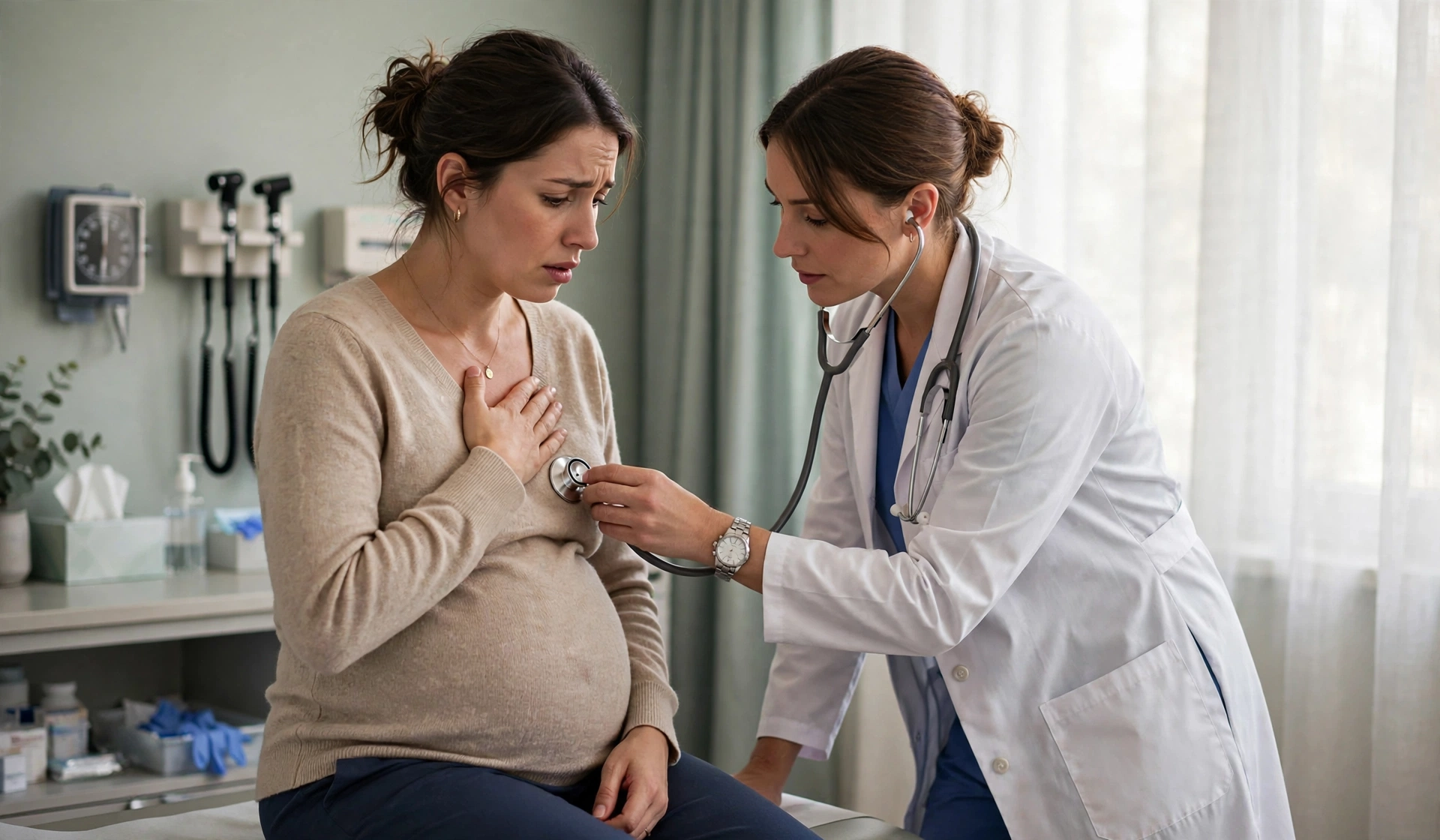
Concerns about potential long-term population decline are gaining traction worldwide as fertility rates fall among women and men. That trend has drawn attention of politicians, policymakers, and public figures globally. The issue has entered public conversation through billionaire Elon Musk, who in 2021 warned at economic summit that “if people stop having children, civilization will crumble.”
More recently, Swiss newspaper Neue Zürcher Zeitung highlighted broader demographic concern fueling debate over future population growth. Now recent study may add to those worries. Investigators led by Yuanyuan Du of Women and Children’s Hospital, Chongqing Medical University, reported prevalence of infertility among women aged 35-49 has increased by about 15% since 1990.
Infertility As Social and Economic Problem
In light of global population aging, infertility among women of advanced reproductive age has become serious public health problem. Authors note significant economic implications for women, families, and healthcare systems. Economic analyses show infertility limitations impair women’s labor force participation and career trajectories. Consequently, limitations reduce lifetime earning potential and overall economic productivity.
At macroeconomic level, persistently low birth rate accelerates population aging and strains social security systems. Furthermore, it hinders long-term economic growth.
Team of gynecologists led by Maren Goeckenjan-Festag, MD, University Hospital Carl Gustav Carus Dresden, also emphasized fertility decline ranks among world’s top health priorities. They place it alongside cardiovascular and oncologic diseases.
Why Are Birth Rates Falling? Survey Reveals Key Reasons
What causes declining birth rates? In study by insurance company Swiss Life, more than 3000 people were surveyed about wishes and reasons regarding having children, as reported by NZZ. Most frequently cited reasons for deciding against children were lack of desire to have children. Other reasons included children requiring too much time and money, fears about state of world, and difficulty balancing career with family.
Those who do want children are postponing having them until later in life. Therefore, advanced reproductive age becomes more common for first pregnancy.
Climate Change and Environmental Factors Affect Fertility
Environmental factors that impair fertility are also said to have contributed to declining birth rates. Studies show female fertility is negatively affected by climate change and exposure to pollutants, report Goeckenjan-Festag and colleagues. Globally, more frequent periods of extreme heat and cold increasingly affect daily life, nutrition, water access, and fertility. Researchers say environmental exposures may interfere with menstrual cycle, follicular development, and egg quality.
Exposures include chemical pollutants, air pollution, endocrine-disrupting compounds, and radiation. Of particular concern are persistent pollutants such as microplastics, nanoplastics, and organochlorine compounds. These may have lasting effects on fertility and could influence future generations. Finding that multiple pollutants have been detected in follicular fluid, fluid surrounding developing egg in ovary, is especially troubling. Climate change is major threat to world population attributable to global warming caused by human activities, as team led by Anna Claire G. Fernandez, University of California, San Francisco, emphasized in Endocrine Reviews. It has direct and indirect effects on health worldwide.
Vulnerable groups are disproportionately affected, including women, pregnant women, children, older adults, and low-income groups. Direct effects may involve hormonal changes, cellular injury, and impacts on reproductive organs.
Indirect effects include greater exposure to fine particulate matter from wildfires, as well as stress and higher infection risk. Extreme weather events can worsen existing social inequalities, leaving populations with limited access to food, water, and medical care more vulnerable.
Microplastics, Heavy Metals, and Air Pollution Under Scrutiny
Microplastic and nanoplastic particles are now detectable worldwide, with exposure through food, inhalation, and skin. Researchers say particles can enter bodily secretions and organs, including placenta, amniotic fluid, and follicular fluid.
Of particular concern are findings suggesting damage to granulosa cells, which support egg development, and disruption of follicular maturation, according to NanoImpact journal.
Heavy metals may impair fertility through DNA damage, oxidative stress, apoptosis, and hormonal disruption, according to Reproductive Toxicology. Cadmium, toxic heavy metal, can accumulate in soil, water, and human body after ingestion. Endocrine disruptors are substances that alter endocrine system and could cause adverse effects. Substances relevant to fertility include DDT, heptachlor epoxide, polychlorinated biphenyls, bisphenols, phthalates, parabens, PFAS, pesticides, and dioxins.
Air pollutants also matter significantly. WHO estimates nearly entire world population breathes air exceeding quality guidelines. Meta-analysis found higher exposure to air pollutants was significantly associated with poorer embryo quality and lower fecundity.
Factors especially important include particulate matter from combustion, nitrogen oxides from traffic and heating, and carbon monoxide. Further studies confirmed exposure to fine particulate matter 2.5 µm diameter is associated with menstrual irregularities and diminished ovarian reserve.
Radiation can impair fertility depending on type, dose, and age at exposure. Naturally occurring radon accounts for majority of natural ionizing radiation. Whether non-ionizing low-energy radiation from cell phones or computers affects female fertility remains inconclusive.
Can Vitamin D and Omega-3 Help? Prevention In Counseling
According to Goeckenjan-Festag and colleagues, findings on pollutant effects can be used in gynecologic counseling. Meta-analysis on interactions between dietary supplements and endocrine disruptors suggests iodide, folic acid, vitamin D, and antioxidants may partially offset negative effects.
Adequate folic acid supplementation has been described as possible preventive intervention for pesticide exposure such as DDT. Since oxidative stress is key mechanism in impairment of egg quality, healthy diet and optimizing living conditions may help.
In addition, antioxidant dietary supplements such as omega-3 fatty acids could be recommended prior to planned pregnancies. However, researchers stress more evidence is needed.
Q&A
Q: How much has infertility increased in women 35-49 since 1990?
A: Study led by Yuanyuan Du found prevalence of infertility among women aged 35-49 has increased by about 15% since 1990.
Q: What are main reasons people cite for not having children?
A: Swiss Life survey of 3000 people found lack of desire, time and money costs, fears about world state, and career-family balance difficulty as top reasons.
Q: How do environmental pollutants affect female fertility?
A: Microplastics, heavy metals, endocrine disruptors, and air pollutants can damage granulosa cells, disrupt follicular maturation, and impair egg quality.
FAQ
1. Who led recent study on infertility in advanced reproductive age?
Investigators led by Yuanyuan Du of Women and Children’s Hospital, Chongqing Medical University, reported 15% increase since 1990 in women 35-49.
2. Why is infertility considered economic problem?
Economic analyses show infertility impairs women’s labor participation and lifetime earnings, while low birth rates accelerate aging and strain social security systems.
3. What role does feminism play in birth rate debate?
Swiss author Nicole Althaus argues some feminist frameworks since Simone de Beauvoir’s 1949 work cast motherhood as trap, influencing childless decisions for some women.
4. Which pollutants are most concerning for fertility?
Persistent pollutants like microplastics, nanoplastics, cadmium, DDT, bisphenols, phthalates, PFAS, and fine particulate matter PM2.5 have been detected in follicular fluid.
5. Can supplements protect fertility from pollutants?
Researchers suggest iodide, folic acid, vitamin D, and antioxidant supplements like omega-3 may partially offset negative effects, but more evidence needed.
Bottom Line: Infertility among women 35-49 has risen 15% since 1990 amid global fertility decline. Therefore, social, economic, and environmental factors together shape future population trends.