
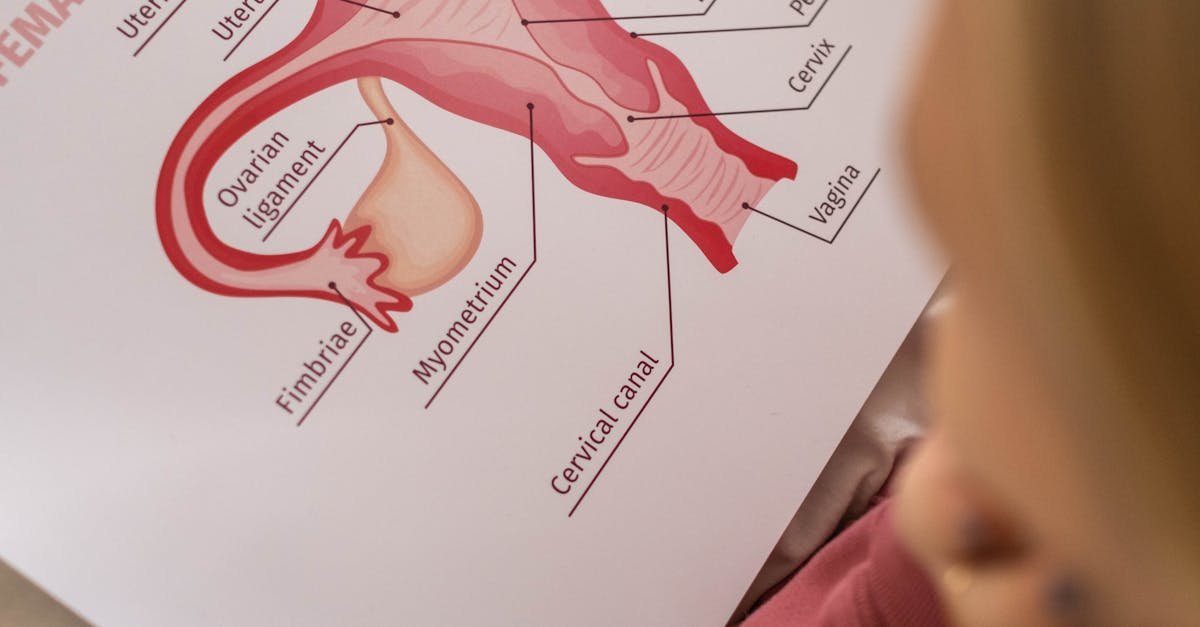
A hysterectomy is a significant surgical procedure involving the removal of the uterus, which is the organ responsible for supporting fetal development during pregnancy. Doctors often recommend this surgery to treat debilitating conditions like uterine fibroids, persistent heavy bleeding, or various life-threatening reproductive cancers. Depending on the specific medical necessity, the procedure might also involve removing the cervix or the ovaries. Consequently, it is essential for patients to understand the potential side effects before deciding on uterus removal surgery.
Understanding the Different Types of Hysterectomy
Surgeons perform various types of hysterectomies based on the patient’s specific health needs and the severity of their underlying condition.
- Total Hysterectomy: This common procedure involves the removal of the entire uterus, including the cervix.
- Partial Hysterectomy: In this version, surgeons remove the upper part of the uterus while leaving the cervix intact.
- Radical Hysterectomy: Primarily used for cancer treatment, this involves removing the uterus, cervix, and surrounding tissues.
Immediate Side Effects and Surgical Risks
As with any major surgery, a hysterectomy carries inherent risks such as excessive bleeding, dangerous infections, or the formation of blood clots. Furthermore, if the ovaries are removed during the procedure, women may experience the sudden onset of early menopause. This hormonal shift often leads to challenging symptoms such as intense hot flashes, significant vaginal dryness, and unpredictable mood changes.
Analysis: The Structural and Sexual Impact
The removal of the uterus can lead to structural changes within the pelvic region that may affect daily comfort and intimacy. Specifically, some women face an increased risk of pelvic organ prolapse, a condition where the pelvic organs drop out of their original place. Additionally, you might experience urinary incontinence or difficulty emptying your bladder as the internal support system shifts after the surgery. These changes can also affect your sex life by leading to a reduced libido or pain during intercourse.
Long-Term Health Risks and Emotional Changes
Beyond the immediate recovery period, a hysterectomy can have lasting effects on a woman’s cardiovascular and skeletal systems. Some studies suggest that the resulting hormonal imbalances may increase the long-term risk of heart disease and osteoporosis. Moreover, many women experience weight gain and reduced bone strength, which necessitates proactive health management and regular medical checkups. Emotional changes, including depression, anxiety, or mood swings, are also common as women navigate the psychological adjustment to the procedure.
Q&A: Navigating Life After Uterus Removal
Q: Does every hysterectomy lead to immediate menopause?
A: No, early menopause typically only occurs if the ovaries are removed during the surgery along with the uterus.
Q: Why does a hysterectomy increase the risk of heart disease?
A: Changes in hormone levels after the surgery can negatively affect your blood vessels and cholesterol, potentially impacting your cardiovascular health.
FAQ: Common Concerns About Hysterectomy
- What are the primary reasons for removing the uterus? Common reasons include treating uterine fibroids, managing heavy menstrual bleeding, or removing cancerous tissues within the reproductive system.
- Can a hysterectomy cause weight gain? Yes, some women experience weight gain after the procedure, particularly if hormonal changes impact their natural metabolism.
- What is pelvic organ prolapse? This is a condition where the pelvic organs lose their support and drop out of place following the removal of the uterus.
- How does the surgery affect emotional well-being? Many women face emotional adjustment challenges, which can manifest as feelings of depression, anxiety, or significant mood swings.