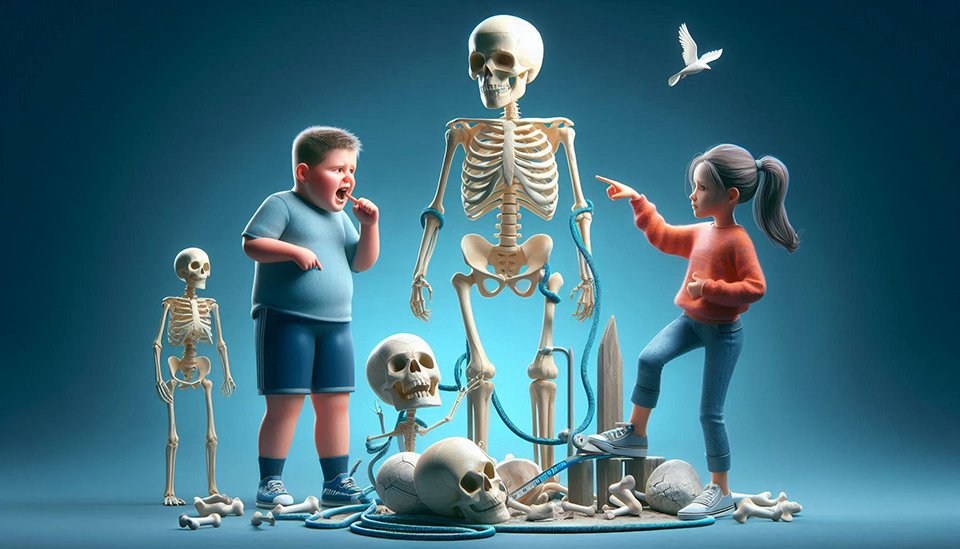
Children are constantly growing, running, jumping, and exploring world around them, while occasional aches and minor injuries common during childhood and activity. Persistent leg pain, frequent falls, or difficulty walking should not always be dismissed as normal part of growing up, requiring careful parental attention and evaluation.
Healthy bones and muscles essential for child physical development, adequate nutrition, regular physical activity, and proper bone growth during childhood help establish foundation for long-term health.
However, certain nutritional deficiencies and medical conditions can affect bone strength, making important for parents to recognise unusual symptoms early for timely intervention and care.
Critical Periods For Building Strong Bones
Childhood and adolescence are critical periods for building strong bones, during these years skeleton grows rapidly and accumulates minerals that help maintain bone strength effectively. Calcium and vitamin D play essential roles in bone development, while protein supports growth of bones, muscles, and other tissues for healthy development.
Balanced diet containing adequate nutrients helps children achieve healthy physical development, physical activity equally important for strengthening bones and improving balance and coordination. Activities such as walking, running, jumping, dancing, and playing outdoor sports help strengthen bones and muscles while improving balance and coordination and overall fitness.
When children receive adequate nutrition and remain physically active, they better equipped to develop strong bones, however persistent pain or changes in movement may indicate problem requiring medical attention.
Warning Signs Of Bone Or Joint Problems In Children
Parents should pay attention to changes in child movement, activity levels, and physical comfort, although symptoms do not automatically indicate weak bones, they may warrant further evaluation.
1. Persistent leg pain: Occasional aches may occur during childhood, but frequent, worsening, or localised pain should be assessed, particularly if affects daily activities and walking.
2. Limping while walking: Child who begins limping or avoids putting weight on one leg may be experiencing injury, joint problem, or another underlying condition requiring assessment.
3. Frequent falls: Repeated falls accompanied by poor balance, weakness, or difficulty coordinating movements should not be ignored, as may indicate muscle, bone, or neurological concerns.
4. Swelling around joints: Swelling, redness, warmth, or tenderness may indicate inflammation, injury, or infection and requires appropriate assessment by healthcare professional promptly and carefully.
5. Reduced physical activity: If previously active child begins avoiding sports, running, or walking because of discomfort, parents should try to understand underlying cause rather than assuming tiredness.
Is Leg Pain Always Sign Of Weak Bones?
No, leg pain in children can have several causes, and weak bones are only one possibility, some children experience what commonly called growing pains. These typically affect both legs, occur in muscles rather than joints, and often noticed in evening or at night, generally resolve by morning and do not cause limping.
Other possible causes include muscle strain, sports injuries, vitamin D deficiency, joint disorders, and certain medical conditions affecting bones or muscles and requiring evaluation. Pattern of pain matters, persistent pain in one specific location, pain occurring in morning, swelling, or symptoms interfering with walking not typical features of growing pains and should be evaluated.
Balanced Varied Diet Essential For Growth
Child diet plays major role in healthy bone development, parents should aim to provide varied diet supplying nutrients required for growth and strength.
Calcium: Found in milk, curd, paneer, ragi, sesame seeds, and calcium-fortified foods, essential mineral for building strong bones and maintaining density throughout childhood.
Vitamin D: Helps body absorb calcium and maintain healthy bones, dietary sources, appropriate sunlight exposure, and supplements when medically indicated can help maintain adequate levels effectively.
Protein: Pulses, beans, dairy products, soy foods, eggs, and other suitable sources support normal growth and tissue development and muscle strength and repair.
Other essential nutrients: Phosphorus, magnesium, and other vitamins and minerals also contribute to healthy bones and overall skeletal development and long-term health and resilience.
Children with suspected nutritional deficiencies should be assessed by healthcare professional, calcium or vitamin D supplements should not be given in excessive amounts or used as substitute for investigating persistent symptoms.
Can Too Much Screen Time Affect Bone Health?
Spending long periods sitting in front of mobile phone, television, or computer can reduce time children spend moving and playing outdoors actively and healthily. Insufficient physical activity may affect muscle strength, balance, and development of strong bones, encouraging children to participate in age-appropriate outdoor games, sports, weight-bearing activities can support overall physical development.
However, screen time itself does not directly cause weak bones, main concern whether excessive sedentary behaviour replaces physical activity, adequate sleep, and other healthy routines essential.
When Should Parents Take Child To Doctor?
Medical evaluation important if child experiences persistent or recurring leg pain, repeated unexplained fractures, visible changes in leg alignment, differences in leg length, unusual walking pattern. Seek urgent medical attention if child suddenly becomes unable to walk or bear weight, experiences severe or rapidly worsening pain requiring immediate care.
Develops fever alongside swollen, red, or painful joint, has significant swelling or pain following injury, indicating possible infection, inflammation, or fracture needing prompt treatment. Depending on symptoms, doctor may assess child growth, walking pattern, diet, medical history, and physical development, blood tests or imaging studies may be recommended when underlying condition suspected.
Q&A
Q: What are 5 warning signs of bone or joint problems in children parents should not dismiss?
A: Persistent leg pain frequent worsening localised, limping avoiding weight bearing, frequent falls poor balance weakness, swelling redness warmth tenderness around joints, reduced physical activity avoiding sports running walking.
Q: Is leg pain in children always sign of weak bones or could it be growing pains?
A: No, weak bones only one possibility, growing pains typically both legs muscles evening night resolve morning no limping, other causes muscle strain sports injuries vitamin D deficiency joint disorders medical conditions.
Q: Which nutrients help build strong bones during childhood and adolescence critical periods for bone development?
A: Calcium milk curd paneer ragi sesame fortified foods, vitamin D helps absorb calcium sunlight supplements, protein pulses beans dairy soy eggs, phosphorus magnesium other vitamins minerals also contribute healthy bones.
FAQ
Q: Why is bone development so important during childhood and adolescence for long-term health foundation?
A: Childhood adolescence critical periods building strong bones skeleton grows rapidly accumulates minerals maintaining strength, adequate nutrition regular physical activity proper growth establish foundation long-term health and resilience.
Q: Can too much screen time directly cause weak bones in children or is concern about reduced activity?
A: Screen time itself does not directly cause weak bones, main concern excessive sedentary behaviour sitting mobile phone television computer reduces moving playing outdoors, insufficient activity affects muscle strength balance strong bones development.
Q: When should parents take child to doctor for leg pain, limping, swelling, or unusual walking pattern?
A: Medical evaluation important persistent recurring leg pain repeated unexplained fractures visible changes leg alignment differences leg length unusual walking, urgent if unable walk bear weight severe worsening pain fever swollen red painful joint significant swelling injury.
Q: How can parents differentiate growing pains from more serious bone or joint problems requiring medical evaluation?
A: Growing pains both legs muscles evening night resolve morning no limping difficulty walking, persistent one specific location morning pain swelling interfering walking not typical growing pains should be evaluated by doctor.
Q: Should calcium or vitamin D supplements be given in excessive amounts for children with leg pain?
A: Children suspected nutritional deficiencies should be assessed healthcare professional, supplements should not be given excessive amounts or used as substitute investigating persistent symptoms, varied balanced diet plus sunlight exposure and activity recommended.
Disclaimer: This article provides educational information about children’s bone and joint health, warning signs, nutrition, physical activity, and does not constitute professional medical, pediatric, orthopedic, or nutritional advice, diagnosis, or treatment recommendation.