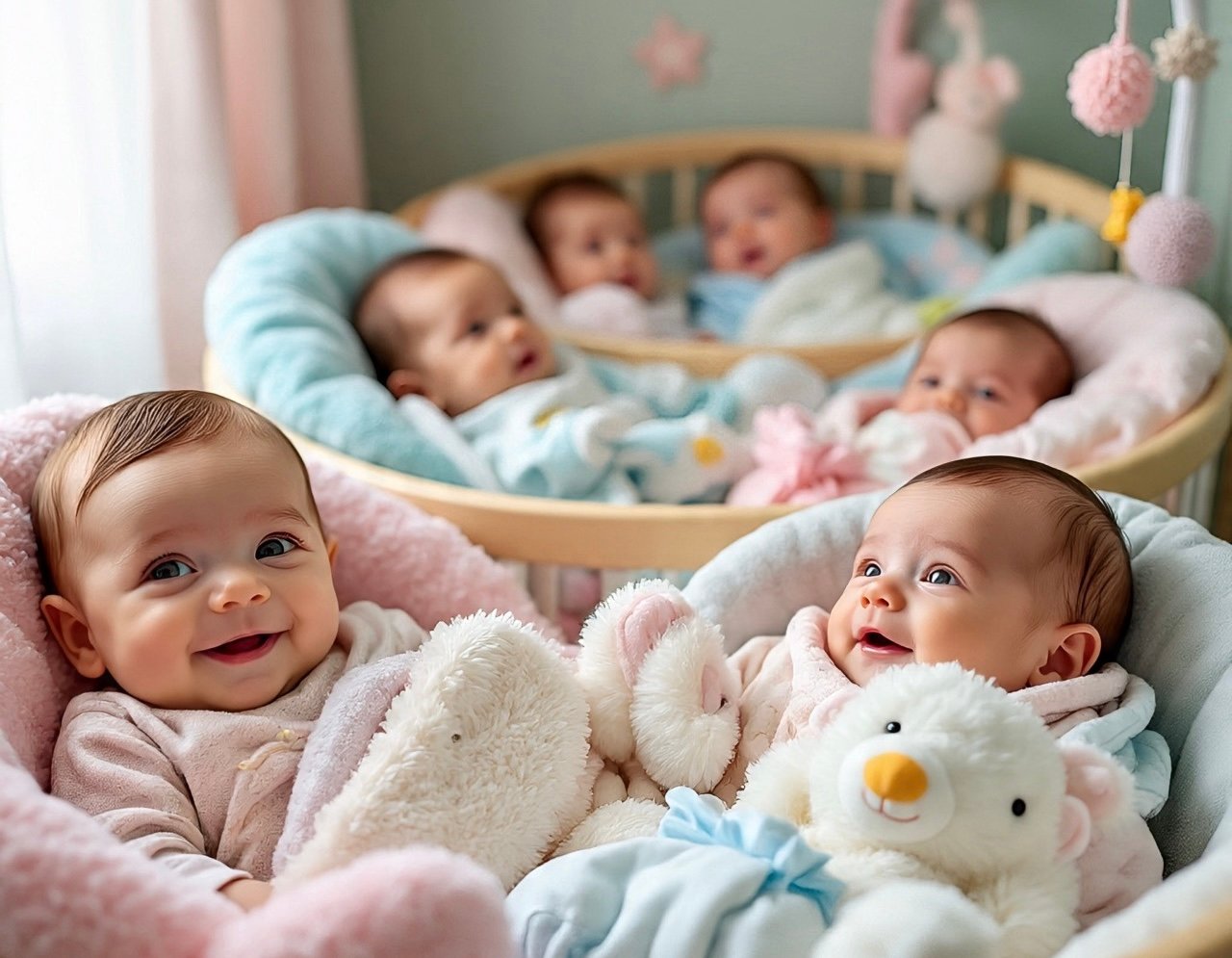

Pregnancy and childbirth have become a “new fault line in the global climate crisis” as extreme heat worsens, the head of the UN climate action body warned, calling for maternal and newborn health to be built into countries’ climate plans.
Speaking in Fiji at an event organized by global charitable foundation Wellcome, ahead of the COP31 climate conference in Antalya, UNFCCC chief Simon Stiell said a deep test of climate action was “far, far simpler” than degrees, targets and finance: “whether we protect life at its most fragile.”
“Rising temperatures mean rising danger in pregnancy,” he told the first day of the pre-COP ministerial meeting, noting that extreme heat during pregnancy is increasingly linked to premature birth, stillbirth, low birth weight, and maternal complications.
Health Workers Sound Alarm: 73% Report Rise in Heat-Linked Cases
Mr. Stiell cited new data, released on Monday, from a survey commissioned by Wellcome of maternal health professionals in five countries across five continents. Some 73 per cent reported that heat-linked cases or complications had increased over the past five years, while 81 percent were concerned or very concerned that extreme heat would increasingly put maternal, foetal, and newborn health at risk without more action. Nearly all respondents had cared for a pregnant woman or baby whose health they considered had been affected by extreme heat.
“Behind those numbers are human stories: an expectant mother’s journey to clinic delayed by dangerous heat; a midwife working through unsafe temperatures; a newborn needing specialist care,” Stiell said.
‘No Cool Place to Go’: Unequal Risks for Outdoor Workers and Small Islands
While no one is immune, he stressed that risks and impacts are not shared equally. People working outdoors, living in unregulated housing, travelling far to a clinic, or relying on facilities without water, power, or cooling “cannot be protected by advice alone.”
“Staying cool is simply not an option when there is no cool place to go,” he said.
“A safe birth is already too often shaped by geography, income and access to care. Without action, extreme heat will widen that injustice.”
For small islands and other nations that “did practically nothing to create this climate crisis,” Mr. Stiell said, findings underscore need for support at scale. He called for the tripling of adaptation finance agreed at COP30 in Belém to be delivered and for nations to work with the whole financial system to make $1.3 trillion a year for developing countries a reality.
Three Priorities Set Out Ahead of COP31 in Antalya
Stiell set out three priorities to protect pregnancy in a warming world:
1. Making pregnancy and newborn care part of adaptation, heat and health planning. Climate adaptation plans must explicitly name maternal and newborn health, because “what is not named in a plan is too often not funded, not measured and not protected.”
2. Turning evidence into protection. This includes clinical guidance, health worker training, heat-health alerts tailored for pregnant women, and safer facilities with reliable water, power, and cooling.
3. Improving data to show where risks are growing and which interventions work. He warned, “Harm that is not counted is too easily ignored.” Better surveillance of heat-related birth outcomes is essential.
He commended the COP31 Presidency of Türkiye and Australia’s President of Negotiations for making health a key priority, building on Brazil’s work last year at COP30.
“A changing climate must never be accepted as a reason pregnancy and birth become less safe,” he said.
“A newborn’s healthy start must never depend on a family’s ability to escape the heat.”
Analysis: Why Maternal Health Is Now Central to Climate Adaptation
1. Evidence convergence: Extreme heat is increasingly linked in epidemiological studies to preterm birth, low birth weight, stillbirth, preeclampsia, and maternal stress, making pregnancy a sentinel indicator of climate health impacts.
2. Health workforce signal: Wellcome survey across five continents provides frontline validation, with 73% reporting increases and nearly all reporting personal cases, bridging data gaps where routine surveillance is weak.
3. Equity gap: Risk concentrates in outdoor workers, informal housing, remote clinics without cooling, and small island states that contributed least to emissions, highlighting climate justice dimension ahead of COP31 finance negotiations.
4. Finance test: Tripling adaptation finance from COP30 Belém and $1.3 trillion annual flow for developing countries will determine whether heat-resilient maternity care moves from guidance to infrastructure.
Q&A
Q: Why did UN climate chief call pregnancy a fault line in climate crisis?
A: UNFCCC Executive Secretary Simon Stiell said in Fiji that rising temperatures mean rising danger in pregnancy, linking extreme heat to premature birth, stillbirth, low birth weight, and maternal complications, ahead of COP31 in Antalya.
Q: What did the Wellcome survey find on heat and pregnancy?
A: Survey of maternal health professionals in 5 countries across 5 continents found 73% reported heat-linked complications increased in past 5 years, 81% are concerned or very concerned, and nearly all had cared for affected mothers or babies.
Q: What three priorities did UNFCCC set for COP31?
A: Integrate pregnancy and newborn care into adaptation and heat-health plans, turn evidence into protection via guidance, training, heat alerts and safer facilities, and improve data on risks and interventions.
FAQ
1. Where did Simon Stiell make the warning?
At a Wellcome-organized event in Fiji during the pre-COP ministerial meeting ahead of COP31 climate conference in Antalya.
2. How does extreme heat affect pregnancy?
According to UNFCCC and medical literature cited, extreme heat is increasingly linked to premature birth, stillbirth, low birth weight, and maternal complications.
3. Who is most at risk?
People working outdoors, living in unregulated housing, traveling far to clinics, and facilities lacking water, power, or cooling, plus populations in small island and low-income nations.
4. What finance was mentioned?
Tripling of adaptation finance agreed at COP30 in Belém and goal of $1.3 trillion per year for developing countries to support climate adaptation including health.
5. What happens next at COP31?
COP31 Presidency of Türkiye and Australia’s President of Negotiations have made health a key priority, with push to embed maternal and newborn health in national climate adaptation plans.