
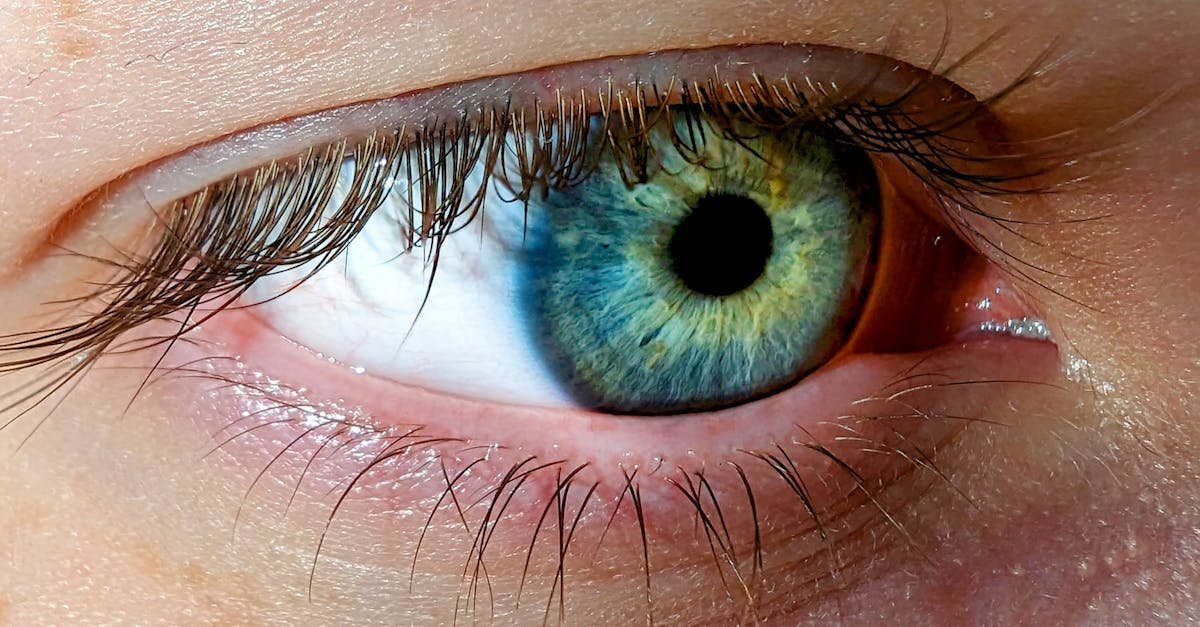
Scientists have identified a fundamental lymphatic network that could fundamentally change how we understand and treat the leading causes of permanent blindness like glaucoma and degeneration. This previously unknown drainage route, called the posterior ocular lymphatic outflow or POLO pathway, carries fluid and inflammatory waste out of the eye into the lymphatic system. Consequently, this discovery helps explain how the eye naturally flushes metabolic waste and promises to transform our thinking about a wide range of common eye conditions.
The retina is one of the most metabolically active parts of the human body, constantly generating waste byproducts that require efficient and timely removal for health. Glaucoma, macular degeneration, and other serious retinal disorders are often associated with excess fluid, metabolic waste, tissue stress, and significant inflammation that causes permanent vision loss. Therefore, the identification of the POLO pathway suggests that the eye possesses a natural mechanism for removing this harmful material before it can cause structural damage.
Falling Assumptions and New Frameworks
For more than a century, the medical community generally believed the human eye had no lymphatic system to control fluid levels or remove harmful metabolic waste products. However, researchers from the University of British Columbia and the University of Toronto began questioning this view in 2009 after identifying a lymphatic route previously. The back of the eye remained much less understood until now, even though it contains the retina where many severe forms of vision loss typically begin.
Tracing Waste Beyond the Human Eye
To search for the POLO pathway, researchers studied mice using advanced MRI and fluorescent tracer molecules to follow the real-time movement of fluid beyond the eye. These tracers revealed small lymphatic vessels within the choroid, showing that fluid moves from the back of the eye into nearby lymph nodes within only minutes. This direct connection with the body’s larger lymphatic network provides a potential target for new therapeutics designed to improve waste clearance and protect your long-term vision.
Analysis: Resilience and the Window of Recovery
The human brain possesses an extraordinary ability to adapt and heal through neuroplasticity, a principle that highlights the body’s significant but ultimately limited potential for recovery. Early intervention offers the best chance of restoring function and preventing permanent damage, whether we are discussing cognitive recovery or the prevention of irreversible and structural blindness. Just as the brain requires a balanced environment to function, the eye depends on these cleanup systems to maintain health and prevent systemic and functional failure.
Q&A: Understanding the Eye’s Cleanup System
How does the POLO pathway affect eye diseases?
The pathway provides a natural mechanism for removing fluid and inflammatory debris that often accumulate behind the retina in diseases like glaucoma and age-related macular degeneration.
Why was this drainage route unknown for so long?
For over one hundred years, scientists assumed the eye had no lymphatic system, but modern imaging tools have finally allowed researchers to trace these microscopic vessels.
Can medical treatments exploit this new discovery?
Yes, researchers believe the POLO pathway could eventually become a primary target for treatments designed to enhance waste clearance and prevent the progression of serious vision-loss diseases.
Frequently Asked Questions (FAQ)
What is the “posterior ocular lymphatic outflow” pathway?
Commonly known as the POLO pathway, it is a newly discovered drainage route at the back of the eye that connects to the body’s lymphatic system.
How many people suffer from macular degeneration?
Age-related macular degeneration is a serious condition that affects approximately 2.5 million people in Canada and remains a leading cause of permanent and irreversible blindness.
Does early intervention help with eye health?
Just like with brain recovery, the sooner a condition is identified and treated, the greater the likelihood of reversing changes before irreversible structural damage develops.
What imaging tools were used in this study?
Researchers used MRI, near-infrared fluorescence, and microscopic analysis to follow fluorescent tracer molecules as they moved from the eye into the surrounding body tissues.
Is the retina more active than other body parts?
The retina is one of the most metabolically active regions, meaning it generates more byproducts that must be cleared to maintain a healthy and functional environment.
Disclaimer: This article is for informational purposes only; please consult an ophthalmologist regarding vision health or a healthcare professional for neurological concerns.
—————-