Physical activity protects human health, yet the surrounding environment alters its impact on brain function dramatically. A groundbreaking study from the University of Southern California reveals contrasting effects between leisure exercise and manual labor.
Researchers analyzed health data from more than 4.2 million people across thirty countries over a median ten-year follow-up period. Consequently, scientists published their landmark findings in the medical journal The Lancet Public Health to challenge long-held assumptions.
How Leisure Exercise Protects Against Cognitive Decline
Leisure physical activity provides strong protective benefits against all-cause dementia, including Alzheimer’s disease and vascular dementia. The team discovered that people who exercised most during free time achieved a 24 percent lower dementia risk.
Activities like walking, swimming, cycling, and running allow individuals to control intensity levels and rest when needed. Furthermore, recreational movement often encourages social connection while reducing psychological stress and chronic inflammation inside human tissues.
Occupational Labor and Elevated Dementia Risks
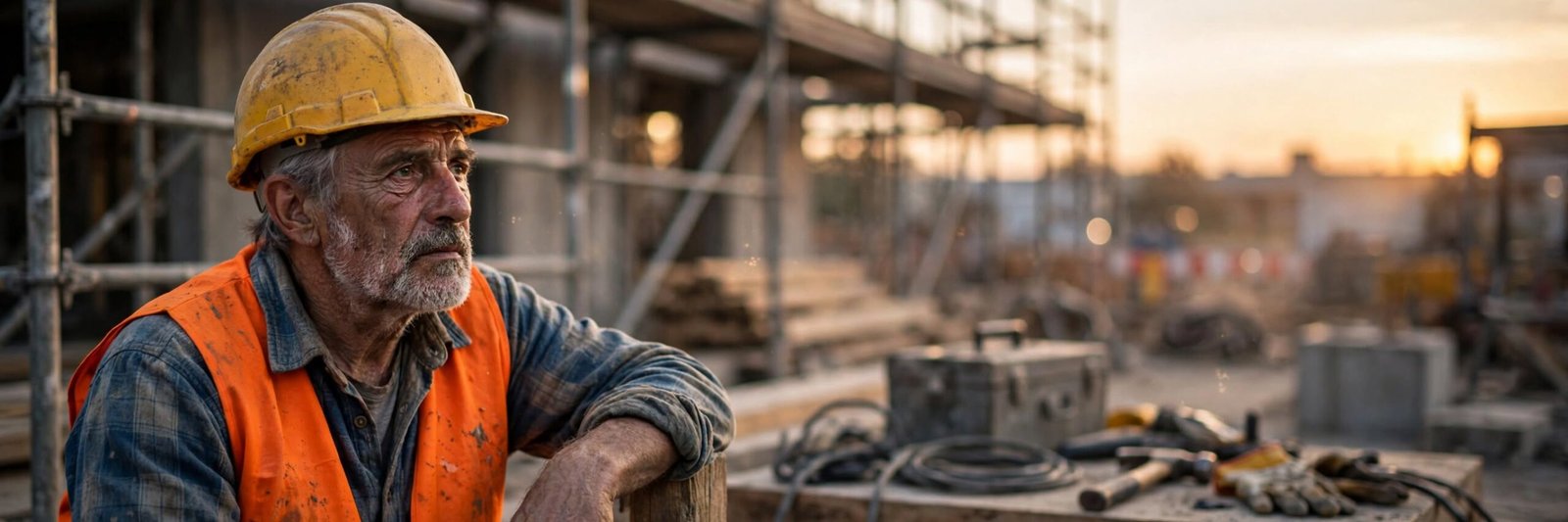
In sharp contrast, heavy physical activity at work was associated with a 20 percent higher risk of developing dementia. Lead author Natan Feter and senior author David Raichlen investigated why manual work produces such harmful outcomes.
Physically demanding jobs subject workers to continuous physical strain without adequate rest, high psychosocial stress, and minimal control. Additionally, workplace hazards like heavy noise pollution, industrial chemicals, and poor air quality further damage brain health over time.
Strategic Analysis: The Context of Physical Movement
These findings prove that physical context matters just as much as raw physical movement for overall brain health. Higher levels of leisure exercise produced progressively lower dementia risks before reaching a stable statistical plateau.
Conversely, increased occupational labor raised dementia risk before leveling off at higher activity levels. A related study in Alzheimer’s & Dementia showed that mentally stimulating sitting activities, like desk work, protected brain cortex volume better than passive TV viewing.
Q&A: Key Scientific Insights
Question: Why does physical exercise during free time protect the human brain better than heavy physical labor at work?
Answer: Free-time exercise allows rest, reduces stress, and lets individuals control intensity, whereas physical work involves continuous strain and environmental hazards.
Question: Does sitting down for work activities harm brain health as much as watching television passively for long periods?
Answer: No, mentally engaging sitting activities like desk work help preserve brain cortex volume, whereas passive television viewing correlates with structural brain decline.
Frequently Asked Questions (FAQ)
How many people participated in the global dementia study conducted by University of Southern California researchers?
The study analyzed health data from more than 4.2 million participants across seventy-four individual studies in thirty countries.
What primary medical journal published this comprehensive analysis on physical activity and dementia risk?
The researchers published their complete systematic review and meta-analysis in the journal The Lancet Public Health.
Does physically demanding labor directly cause Alzheimer’s disease or other forms of cognitive decline?
No, the observational study establishes a strong statistical association rather than a direct cause-and-effect relationship between labor and dementia.
Did the researchers analyze how household chores and active commuting affect long-term dementia risks?
Yes, but researchers noted that limited available studies prevent firm conclusions regarding household chores or active commuting.
What public policy changes do the study authors recommend to improve overall population brain health?
Authors advocate for safer working conditions, reduced workplace pollution, adequate rest time, and expanded public access to recreational green spaces.
Disclaimer: This news portal article provides informative scientific analysis only and does not substitute for professional medical advice or personalized health guidance.