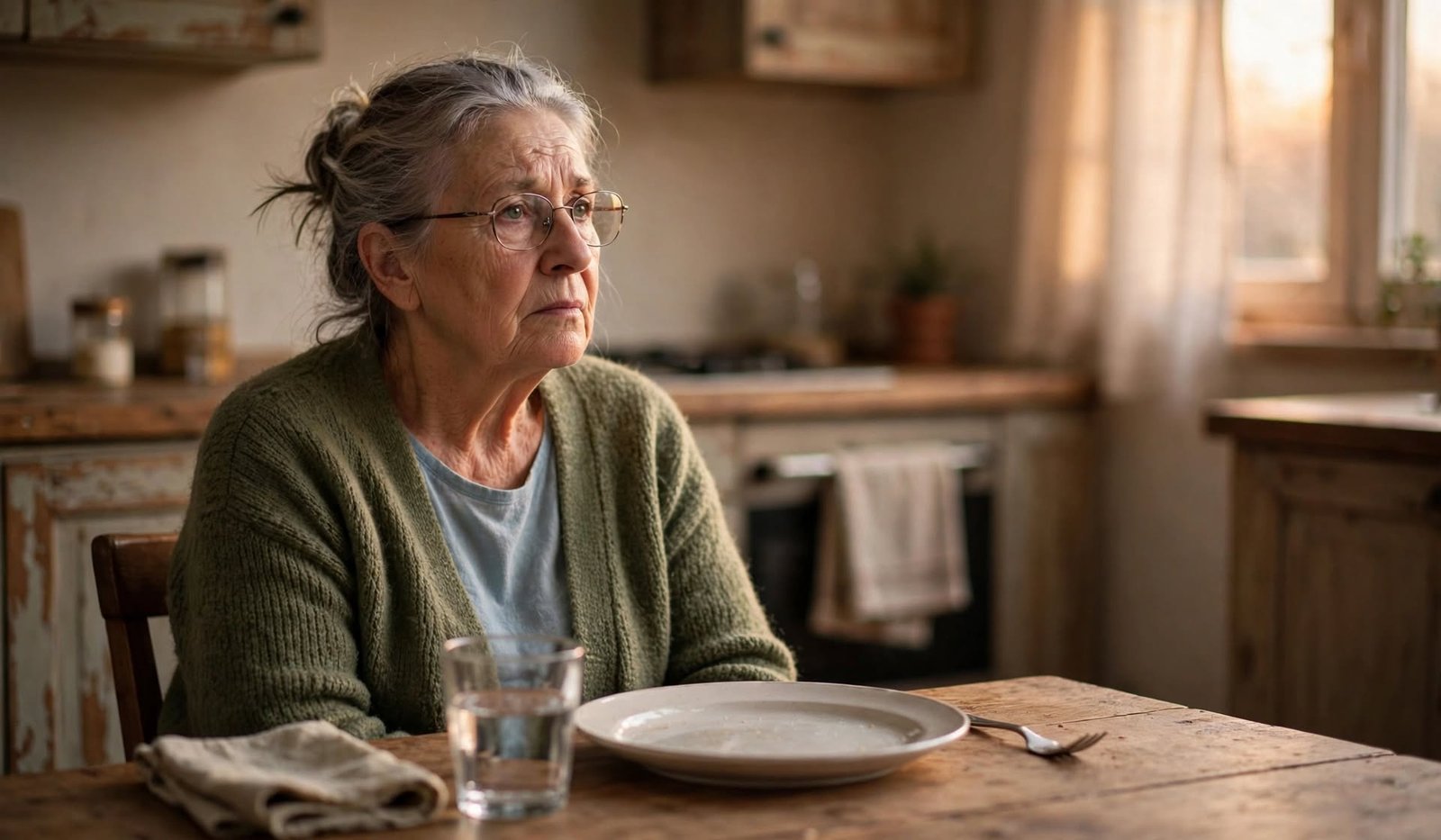

Living with a spouse who develops dementia may significantly increase your own risk of developing the same condition over the long-term course of aging. A massive study involving nearly one million married adults in Taiwan reveals that shared lifestyles and environments play a massive role in cognitive health outcomes.
Furthermore, the research suggests that dementia risk is not influenced by genetics alone but is shaped by the experiences couples build over many decades.
Understanding the Statistical Impact on Spouses
The research, published in JAMA Network Open, found that women with a demented spouse face a seventy-four percent higher risk of developing the disease. Similarly, men face a sixty-nine percent increased risk compared to those whose partners do not suffer from the memory-robbing condition during their elderly years. This association remains consistent across different forms of the disease, including Alzheimer’s and vascular dementia, regardless of the specific diagnosis the partner receives.
Why Shared Environments Shape Brain Health
Dementia is certainly not contagious, but couples often share similar dietary habits, physical activity patterns, and environmental exposures that accumulate over years of marriage. Consequently, common cardiovascular risk factors such as hypertension and diabetes are frequently shared within a household, directly impacting the long-term health of the human brain. Because married couples share many aspects of daily life, they often share the same health risks that influence the speed of cognitive aging.
The Toll of Chronic Caregiver Stress
When one partner develops dementia, the other often becomes the primary caregiver, which leads to years of emotional stress, disrupted sleep, and social isolation. Chronic stress negatively affects brain health through hormonal and inflammatory pathways, which may eventually contribute to cognitive decline and the loss of essential mental function. Researchers believe that this ongoing emotional strain acts as a significant factor in accelerating the aging process for the healthy spouse over time.
Analysis: Leveraging Neuroplasticity for Prevention
The human brain possesses an extraordinary ability to adapt and heal through a process called neuroplasticity, which is vital for maintaining cognitive health. Although the brain is remarkably resilient, this recovery potential is not unlimited, meaning early intervention offers the best chance of restoring function and preventing damage. Experts recommend that spouses of dementia patients undergo regular cognitive screening to identify early changes before irreversible structural damage develops within their own brain regions.
Healthy habits, such as regular physical exercise and staying socially active, can promote brain healing and help mitigate the effects of chronic caregiving stress. Furthermore, correcting nutritional deficiencies with a balanced diet can support brain repair and decrease the risk of future neurological issues for those at risk. Younger individuals and those who intervene early generally have a better chance of substantial recovery before functional changes turn into permanent and irreversible damage.
Q&A: Understanding the Spousal Risk Factor
Is dementia contagious among married couples?
No, the research clearly states that dementia is not contagious, but shared lifestyles and common environments create similar health risks for both married partners.
How does caregiving stress impact the brain?
Chronic stress can trigger hormonal and inflammatory responses that damage brain regions responsible for memory and judgment, leading to potential cognitive decline over time.
Can the brain recover from the stress of caregiving?
The brain can adapt and heal through neuroplasticity if individuals practice stress management, get adequate sleep, and engage in mentally stimulating activities like solving puzzles.
Frequently Asked Questions (FAQ)
What are the biggest shared risks for couples?
Shared risks include similar dietary habits, physical activity patterns, and common cardiovascular factors like diabetes and high blood pressure that affect both partners over time.
Can healthy habits reduce the risk of cognitive decline?
Yes, managing blood pressure and diabetes while reading books or learning new skills can help support the brain’s natural ability to adapt and heal.
Does nutrition play a role in protecting the brain?
Nutrition is critical for brain function, particularly Vitamin B1 (thiamine), which helps support repair and reduces the risk of serious neurological complications in aging adults.
How can social support help spouses?
The study found the risk was weaker among couples with more children or higher incomes, suggesting that family support can help reduce the heavy caregiving burden.
When should a spouse seek a cognitive screening?
Early recognition of cognitive changes is vital, as it allows for interventions that help delay progression and improve the quality of life for the individual.
Disclaimer: This article is for informational purposes only and does not constitute medical advice; please consult a healthcare professional regarding dementia risks and neurological health.