Two people can celebrate same birthday while their bodies have aged very differently. One may have more physiological reserve to draw on. Scientists call this hidden reserve vitality capacity.
A new study suggests that familiar habit is associated with having more of it: continuing aerobic exercise across decades. Researchers at Université Côte d’Azur in France found that healthy adults over 55 who had exercised regularly for 30 years had higher vitality capacity than inactive peers.
Clearest difference was not muscle strength, but timing between heartbeats and blood-oxygen levels, measured at rest and grouped by researchers under immune and stress response. That does not show that exercise caused difference.
What Is Vitality Capacity – Different From Disease Focus
Discussions of healthy aging often focus on disease. Vitality capacity asks something different: how much reserve remains in systems that keep body functioning under pressure?
World Health Organization treats this reserve as part of person’s physical and mental ability. Vitality capacity spans immune and stress response, energy and metabolism, and nerve and muscle function. To explore connection, researchers studied 39 adults from Nice area, averaging about 64 years old. None had chronic illness or used medication.
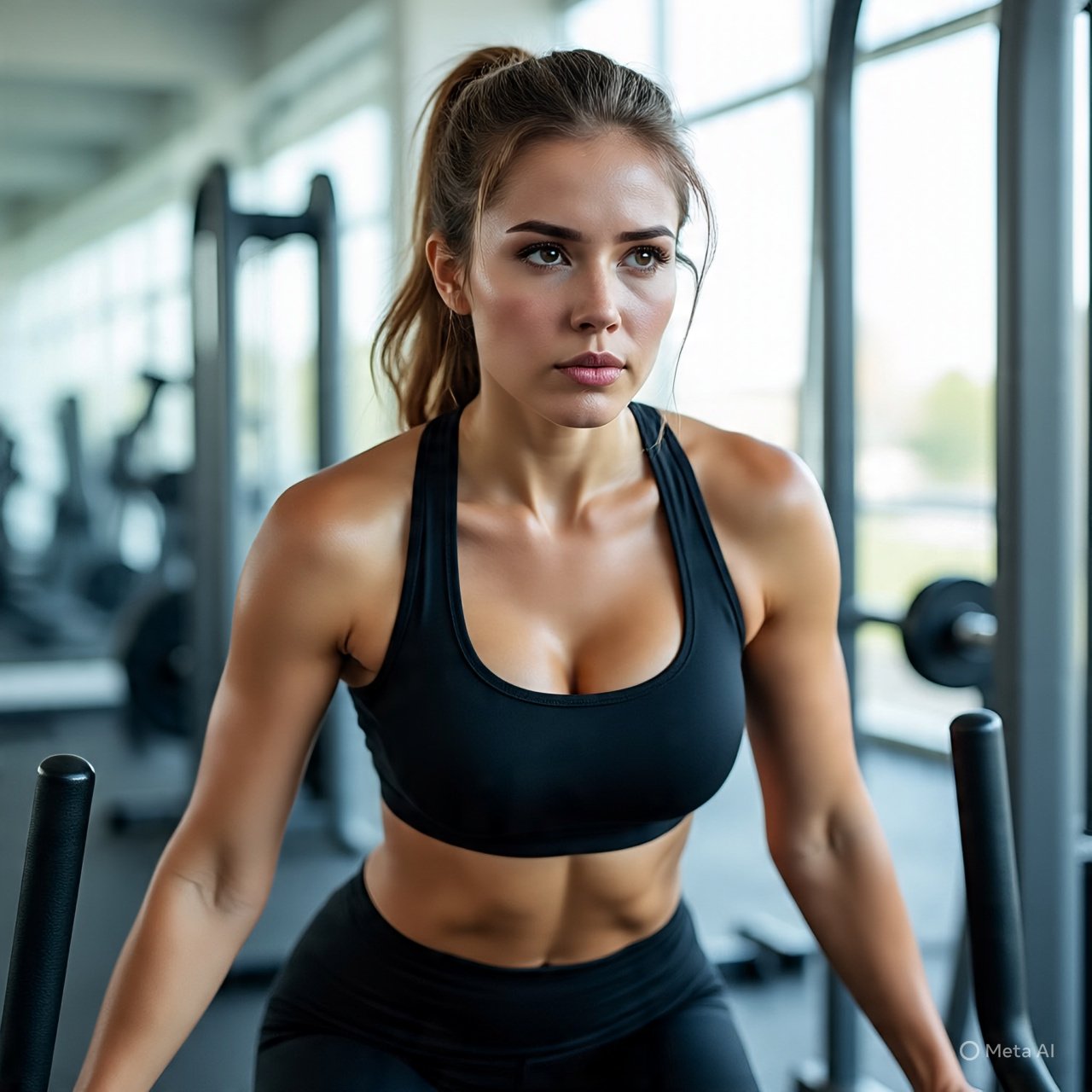
Nineteen had performed aerobic activity at least three times a week for 30 years. They completed at least 2.5 hours of moderate exercise each week, or half that amount of vigorous exercise.
Other 20 did no regular sport or exercise and reported no more than 75 minutes of weekly activity during leisure or getting around. Questionnaires and wearable sensor confirmed difference in current activity. Team combined 12 measures – ranging from blood markers and heart rhythm to muscle strength and lung function – into single vitality score.
When researchers combined those measures, lifelong exercisers came out ahead. Older participants also tended to have lower scores. Because researchers measured everyone only once, however, they cannot say that vitality capacity declined over time within same people.
Clearest Difference – Heart Rate Variability And Blood Oxygen At Rest
Clearest difference appeared in two measures taken at rest. Active participants had average blood-oxygen saturation of 96.8 percent, compared with 94.8 percent in inactive group. Their heart-rate variability was 49.9 versus 27.2 milliseconds.
Heart-rate variability does not mean heart is beating erratically. It describes small variations in timing between beats. Higher HRV generally indicates better autonomic balance and stress response reserve. Yet active group did not outperform inactive group in every measure.
Inflammation markers showed no clear difference, nor did participants’ ratings of their immune health. Grip strength, knee strength, and lung function also showed no clear difference, and no clear overall gap emerged in energy and metabolism or nerve and muscle function.
Association was concentrated in particular aspects of physiological reserve, rather than showing that lifelong exercisers were better on every measure.
Sex Differences And Quality Of Life
Exploratory comparisons by sex found that active women had more lean mass and less body fat than inactive women, but similar differences were not detected among men.
Vitality capacity was also not associated with reported quality of life. Scores leaned toward high end, which may have made relationship harder to detect.
Small Exploratory Study – Limitations
This was small, exploratory study, and people who stay active throughout lives may differ from inactive people in genes, social and economic circumstances, or other habits.
Inactive group was also unusually healthy despite doing little exercise, which may have made groups appear more similar. All participants were healthy, older, and White, so results may not extend to other populations.
Vitality score itself is new and has not been validated as clinical test. Two blood markers were chosen from four candidates using same dataset, which could make score appear stronger than it is, although repeating analysis with alternative markers produced largely similar results.
Study also cannot identify best type or amount of exercise, or show whether becoming active later in life would produce same pattern. Studies that follow people over time, along with trials that assign people to exercise, will be needed. For now, conclusion is narrower: among this small group of healthy older adults, decades of aerobic activity were associated with greater overall physiological reserve, with clearest signal in heart-rate variability and blood-oxygen levels.
Study was published in GeroScience.
Q&A
Q: What lifelong habit is linked to healthier aging after 55?
A: Université Côte d’Azur study of 39 healthy adults average 64 found 30 years of aerobic activity at least 3x week, 2.5 hours moderate or half vigorous, linked to higher vitality capacity reserve.
Q: How did lifelong exercisers differ from inactive peers?
A: Active had blood-oxygen saturation 96.8% vs 94.8% inactive, and heart-rate variability 49.9 vs 27.2 ms at rest, grouped under immune and stress response; no clear difference in grip strength, knee strength, lung function, inflammation markers.
Q: Does lifelong exercise cause better vitality?
A: Study shows association not causation; small cross-sectional 19 active vs 20 inactive from Nice area, all healthy White, no chronic illness medication, vitality score new and not validated clinically.
FAQ
1. What is vitality capacity in aging research?
WHO concept of physiological reserve spanning immune and stress response, energy and metabolism, nerve and muscle function – how much system can handle pressure.
2. Who was included in French study?
39 adults from Nice area average 64 years, 19 lifelong aerobic exercisers 30 years 3x week, 20 inactive ≤75 minutes weekly leisure, all healthy, no chronic illness or medication.
3. What was main finding on heart rhythm and oxygen?
Active group higher HRV 49.9 ms vs 27.2 ms inactive and higher SpO2 96.8% vs 94.8%, indicating better autonomic balance at rest.
4. Did exercisers have stronger muscles and lungs?
No clear difference in grip strength, knee strength, lung function, energy and metabolism, nerve and muscle overall, or inflammation markers and immune health ratings.
5. What are study limitations?
Small exploratory cross-sectional, cannot show decline over time, cannot identify best exercise type amount, unusually healthy inactive group, all White older healthy, genes socioeconomic factors not controlled, needs longitudinal trials.
Disclaimer; This article for informational purposes only and does not constitute medical advice.