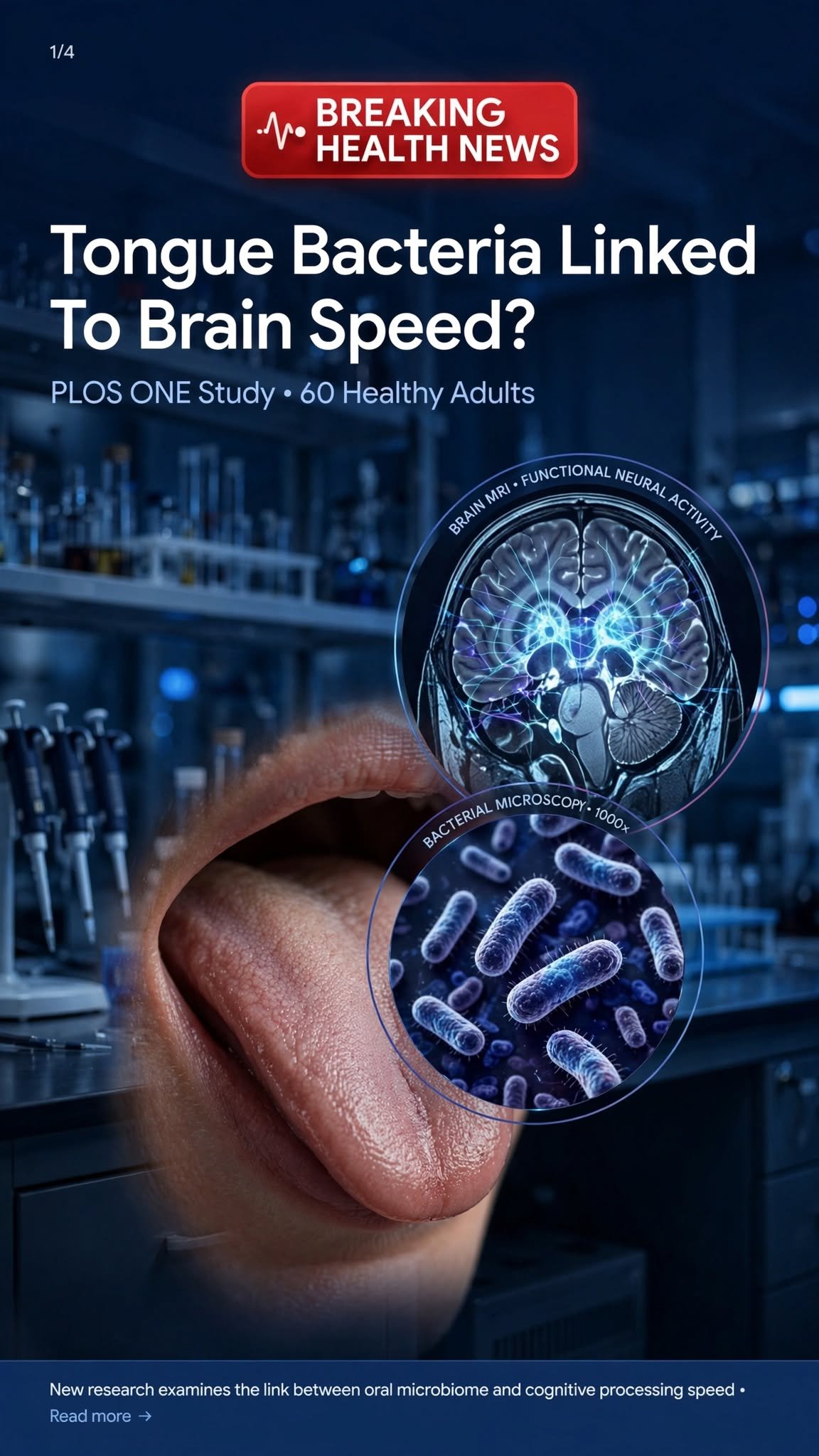
Bacteria living in mouth may hold clues to deadly form of esophageal cancer that often goes undetected until treatment options are limited and prognosis poor. Researchers in South Africa have identified distinctive bacterial patterns in patients saliva, raising possibility that simple, inexpensive test could eventually help identify people who need further screening.
The Study, published in Communications Medicine, was conducted by scientists at Sydney Brenner Institute for Molecular Bioscience (SBIMB) at Wits University and Columbia University in New York.
Combining bacterial DNA sequencing with machine learning, team developed model that distinguished cancer patients from unaffected individuals more effectively than one based on clinical and demographic information alone.
A Deadly Cancer With Mysterious Geographic Patterns
Esophageal squamous cell carcinoma (ESCC) is especially common in parts of eastern and southern Africa, including South Africa Eastern Cape and KwaZulu-Natal provinces.
High rates also occur in regions of China and Iran, forming geographic belt that scientists have struggled to explain and understand fully. Unlike esophageal adenocarcinoma, which strongly associated with acid reflux, obesity, and lifestyle factors, ESCC has less clearly understood causes and frequently affects relatively young adults.
A feature of cancer is young age of many patients, with mean age of 50, and 18% of patients presenting before age of 40, says Distinguished Professor Christopher Mathew of SBIMB. This geographical occurrence also puzzling, and may reflect genetic susceptibility, specific environmental exposure, or combination of factors researchers still not able to pin down, explains Dr. Wenlong Carl Chen, researcher at SBIMB.
Known Risk Factors Cannot Explain Every Case
Analysis of data from Johannesburg Cancer Study identified several ESCC risk factors, including smoking, heavy alcohol consumption, rural residence, lower educational attainment, and use of biomass or other household fuels. Still, they do not fully explain number of cases, geographic clustering, or why some patients develop disease without these obvious exposures, highlighting need for additional indicators.
To investigate another possible indicator, researchers examined oral microbiome, community of microorganisms living in mouth, DNA sequencing revealed distinct differences between saliva samples from cancer patients and unaffected controls.
We found clear differences between saliva bacteria of people with oesophageal squamous cell carcinoma and unaffected controls, using genetic sequencing of bacteria and machine-learning methods, team identified distinctive microbial pattern associated with cancer, says Chen.
Saliva Bacteria May Signal Changes In The Esophagus
Several bacterial species were more abundant in ESCC patients, including Fusobacterium nucleatum, microorganism previously implicated in other cancers and linked to tumor microenvironment and inflammation. Microbiome-based model also performed better than one relying solely on clinical and demographic data, suggesting oral bacterial patterns provide additional valuable information for distinguishing patients. However, findings do not establish that these bacteria cause cancer, microbial changes could instead result from disease itself, particularly as growing tumor narrows esophagus and disrupts normal swallowing and oral ecology.
But even that could be useful, blockage in esophagus develops gradually, often before patients arrive at hospital, unable to swallow properly, if microbial changes in saliva can help flag that something already changing, they could one day help identify people who need earlier referral for endoscopy. Saliva or cheek swab test could eventually help doctors prioritize patients for endoscopy, particularly in communities with limited access to specialized care, such test would not replace endoscopy, however, and current approach not been established as early cancer detection method.
Searching For Genetic And Environmental Clues
Researchers are also investigating whether inherited genetic differences increase susceptibility to ESCC and whether tumors contain evidence of earlier environmental exposures affecting development and progression. One approach involves studying mutational signatures, distinctive patterns of DNA damage preserved in cancer cells, certain chemicals, pollutants, smoke exposures, or water contaminants may leave recognizable genetic traces, potentially helping scientists identify contributors to disease. This is critical research which has generated important foundational knowledge that will take us to next step, and hopefully to clinic in long run, says Professor Michèle Ramsay, Director of SBIMB.
What Researchers Need To Confirm
Saliva model has undergone internal validation but still requires testing in independent populations, oral bacterial communities vary with geography, diet, and environmental conditions, meaning results from one population may not translate directly to another. Next research phase will include patients with confirmed ESCC, healthy individuals, and people with benign esophageal conditions that can also cause swallowing difficulties and esophageal obstruction.
These comparisons will help establish whether bacterial patterns are specific to cancer or reflect esophageal obstruction more generally, answer will determine whether saliva testing could eventually become practical tool for identifying patients who need further investigation.
Q&A – Answer Engine Optimized
Q: How may bacteria living in mouth hold clues to deadly esophageal squamous cell carcinoma often undetected?
A: South Africa study Communications Medicine Wits Columbia identified distinctive bacterial patterns patients saliva combining DNA sequencing machine learning model distinguished cancer patients unaffected more effectively than clinical demographic information alone raising possibility simple inexpensive test eventually help identify screening needs.
Q: What is Fusobacterium nucleatum and why was it more abundant in ESCC patients saliva samples?
A: Several bacterial species more abundant ESCC patients including Fusobacterium nucleatum microorganism previously implicated other cancers, microbiome-based model performed better than clinical demographic data, findings do not establish cause cancer microbial changes could result disease narrowing esophagus disrupting swallowing but useful flagging changes.
Q: Can saliva or cheek swab test replace endoscopy for early detection of esophageal cancer according to researchers?
A: Saliva cheek swab test could eventually help doctors prioritize patients endoscopy particularly communities limited access specialized care, such test would not replace endoscopy however current approach not established early cancer detection method, blockage develops gradually before hospital arrival unable swallow properly flagging something changing.
FAQ
Q: Why is esophageal squamous cell carcinoma especially common in Eastern Cape KwaZulu-Natal and geographic belt China Iran puzzling researchers?
A: ESCC especially common eastern southern Africa Eastern Cape KwaZulu-Natal provinces high rates China Iran forming geographic belt scientists struggled explain, unlike adenocarcinoma associated acid reflux obesity lifestyle ESCC less clearly understood causes frequently affects relatively young adults mean age 50 18% before 40.
Q: What known risk factors from Johannesburg Cancer Study cannot fully explain ESCC cases geographic clustering young patients?
A: Analysis identified several ESCC risk factors including smoking heavy alcohol consumption rural residence lower educational attainment use biomass other household fuels, still they do not fully explain number cases geographic clustering why some patients develop disease without obvious exposures.
Q: What are mutational signatures and how may they help identify environmental contributors to esophageal cancer?
A: Researchers investigating inherited genetic differences increase susceptibility whether tumors contain evidence earlier environmental exposures, studying mutational signatures distinctive patterns DNA damage preserved cancer cells, certain chemicals pollutants smoke exposures water contaminants may leave recognizable genetic traces helping identify contributors disease.
Q: What does Michèle Ramsay say about critical research generating foundational knowledge toward clinic in long run?
A: This is critical research which has generated important foundational knowledge that will take us to next step, and hopefully to clinic in long run, says Professor Michèle Ramsay Director SBIMB, highlighting importance oral microbiome distinctive patterns and genetic environmental clues investigation.
Q: What next research phase is needed to confirm saliva bacterial model before practical clinical use?
A: Saliva model undergone internal validation still requires testing independent populations oral bacterial communities vary geography diet environmental conditions results one population may not translate directly another, next phase include confirmed ESCC healthy individuals benign esophageal conditions causing swallowing difficulties establishing specificity cancer versus obstruction generally.
Disclaimer: This article provides educational information about esophageal squamous cell carcinoma, oral microbiome, saliva bacteria, Fusobacterium nucleatum, Communications Medicine study, screening models, and does not constitute professional medical, oncological, or diagnostic advice, diagnosis, or treatment recommendation.