
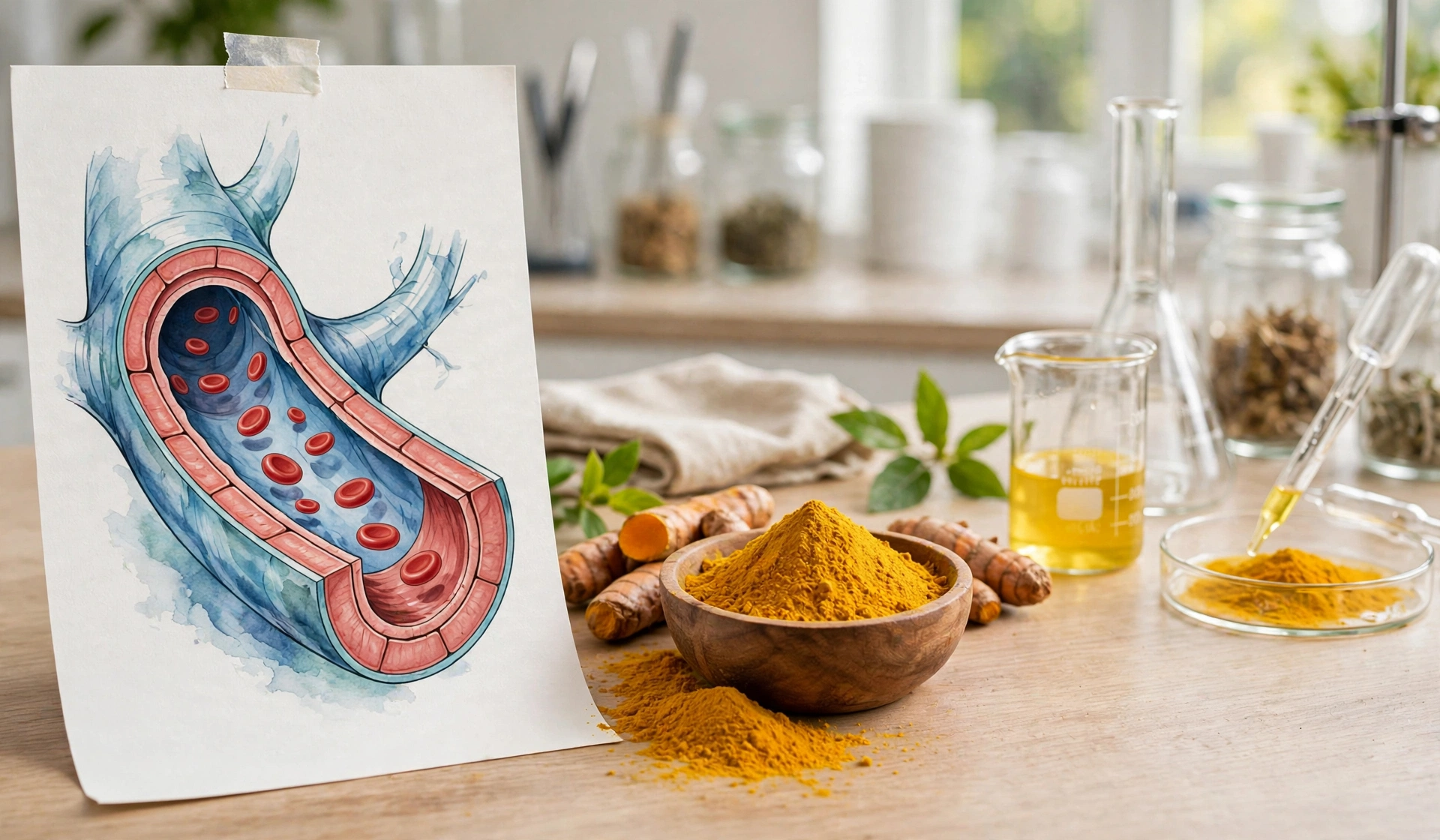
Curcumin improved blood vessel health in diabetic rats, but human benefits remain untested, requiring further clinical research before therapeutic recommendations can be made safely.
For people with Type 1 diabetes, controlling blood sugar represents only part of challenge, since persistent hyperglycemia damages vessels and increases cardiovascular risk substantially.
What Is Curcumin and Why Researchers Study It?
Now researchers explore whether familiar compound from turmeric could counter some damage, leveraging antioxidant and anti-inflammatory properties of curcumin pigment safely effectively globally.
Curcumin, pigment giving turmeric vivid yellow color, appeared to preserve structure and function of aorta and improve cellular processes disrupted by diabetes safely effectively. Curcumin acts as more than simple compound found in spice or antioxidant helping improve blood sugar reduce inflammation restore cellular responses and preserve aortic.
Study Findings: Presented at American Physiology Summit 2026
Furthermore, findings presented in Minneapolis at 2026 American Physiology Summit suggest curcumin influences multiple pathways involved in diabetes-related vascular injury significantly safely effectively. About 2 million people in United States live with Type 1 diabetes, lifelong autoimmune disease where body cannot produce enough insulin, increasing cardiovascular complications.
To investigate curcumin potential effects, researchers studied rats with Type 1 diabetes, comparing animals receiving curcumin with diabetic rats receiving no treatment safely effectively.
After one month curcumin treated rats had healthier blood vessels more closely resembling those of non diabetic rats suggesting preservation of vascular elasticity. Treatment appeared to lower inflammation, restore normal calcium activity in blood vessels, and rebalance heat shock protein 70 disrupted by diabetes significantly safely effectively.
Taken together changes suggest curcumin may limit damage diabetes causes to vessel structure and function including gradual loss of strength and elasticity raising heart.
Analysis: Why Vascular Damage Matters in Type 1 Diabetes
Persistent high glucose damages endothelium, promotes inflammation, stiffens arteries, and elevates long-term risk of heart attack, stroke, and peripheral vascular disease significantly safely. Curcumin reduced inflammatory markers, normalized calcium signaling, restored heat shock protein 70 balance, and preserved aortic wall architecture and functional responsiveness effectively safely effectively.
Q&A Section: Direct Questions and Answers
Q1: Why Does Type 1 Diabetes Increase Heart Risk?
A: Type 1 diabetes causes persistent hyperglycemia, damaging blood vessel lining, promoting inflammation, arterial stiffness, and accelerating atherosclerosis despite careful insulin management and monitoring safely.
Q2: How Might Curcumin Preserve Aorta Health?
A: Researchers observed curcumin reduced inflammation, normalized calcium signaling, restored heat shock protein 70, and maintained aortic elasticity and strength in diabetic rats safely effectively.
FAQ Section
What Is Curcumin?
Curcumin is natural pigment giving turmeric vivid yellow color, widely used as spice, traditional medicine component, antioxidant, and anti-inflammatory compound globally safely effectively.
What Did Rat Study Find?
Study found curcumin preserved aortic structure, improved vessel function, lowered inflammation, restored calcium activity, and rebalanced heat shock protein 70 in diabetic rats safely.
Who Led Study?
First author Swasti Rastogi, PhD candidate at Florida Institute of Technology, presented findings in Minneapolis at 2026 American Physiology Summit meeting safely effectively globally.
Can Curcumin Replace Insulin?
No, curcumin cannot replace insulin, blood sugar control, or prescribed cardiovascular therapies, and should not be used as substitute without medical supervision safely effectively.
What Research Is Still Needed?
Clinical trials must evaluate safety, effective dosage, bioavailability, long-term effects, and drug interactions in people with Type 1 diabetes before recommendations safely effectively.
Disclaimer: This article provides general health information for educational purposes only and does not replace professional medical advice, diagnosis, or treatment recommendations safely effectively globally. Always consult qualified healthcare provider, endocrinologist, or physician before considering curcumin supplements, especially with Type 1 diabetes and existing medications safely effectively globally significantly.