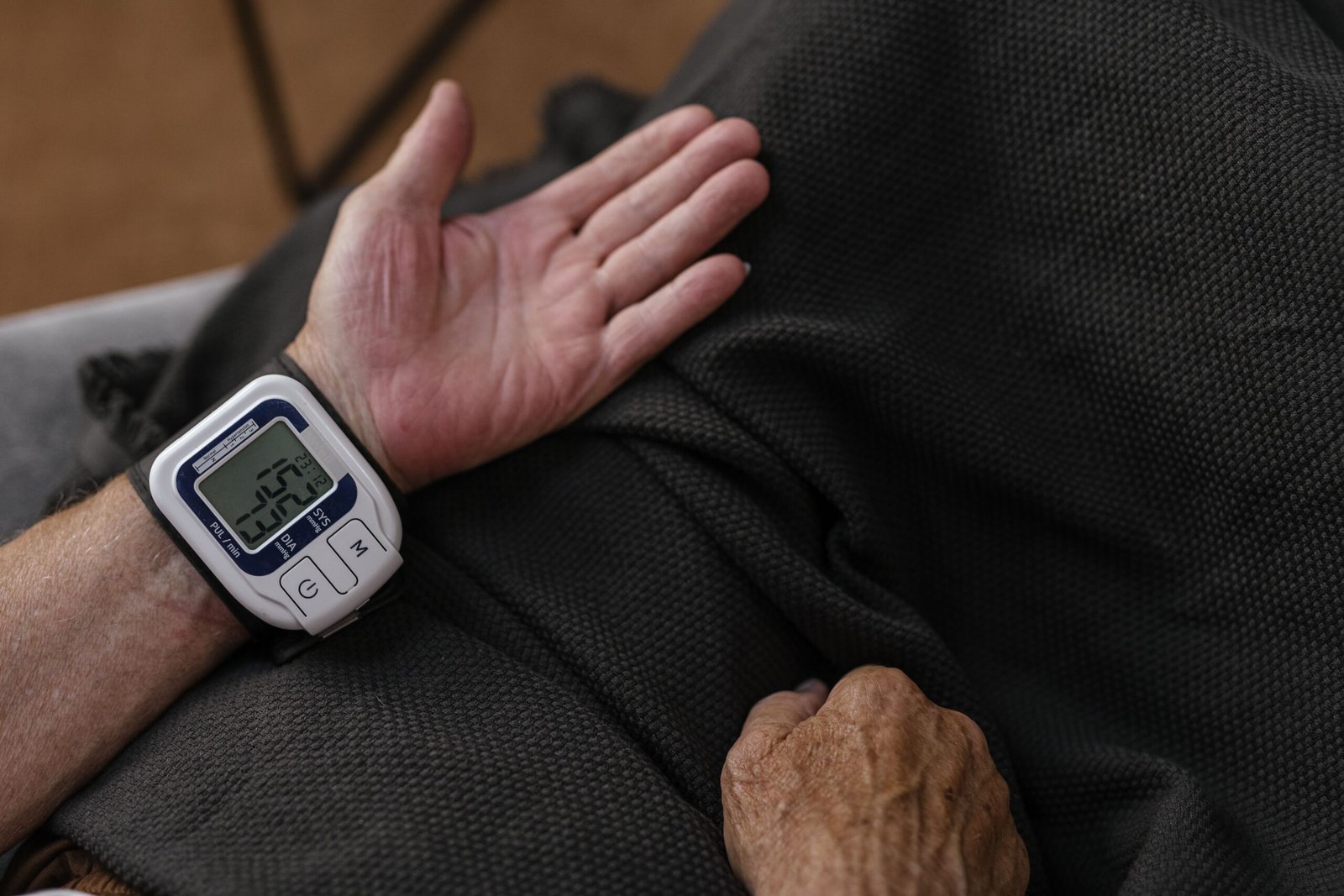
Wearable Device traces Hidden Cause of High Blood Pressure Missed by Routine Tests
Wearable Device traces common and frequently missed causes of blood pressure from wearable device that tracks hormone changes

INDIANFLASH / Beyond Borders. Beyond Headlines
Breaking medical stories, peer-reviewed clinical studies, scientific breakthroughs, and global wellness updates.
Wearable Device traces common and frequently missed causes of blood pressure from wearable device that tracks hormone changes
JAMA Network Open study of 2,319 centenarian children finds 42% lower death risk, 33% lower cardiovascular disease, 32% lower hypertension vs controls.
Science Advances study finds brain’s glymphatic system removes Alzheimer waste at two speeds: fast around brain and 50 times slower inside tissue.
Wroclaw Medical University review finds mulberry polyphenols and polysaccharides boost beneficial gut bacteria and short-chain fatty acids improving glucose regulation.
Rutgers review in American Journal of the Medical Sciences finds reddish lunulae at base of nails linked to heart failure, liver cirrhosis, rheumatoid arthritis and more.
Nature Biotechnology study finds Insilico Medicine’s AI-designed rentosertib for IPF lung disease made blood profiles 2.7 to 3.46 years younger across six biological aging clocks.
morning mistakes harm kidneys: not drinking water before coffee, holding pee, painkillers empty stomach, skipping hydration after exercise, skipping breakfast.
Updated Cochrane living review of 80 trials, 29,861 participants finds nicotine e-cigarettes help 4 more people per 100 quit than NRT patches and gum.
International study finds 1,200+ genetic variants linked to Big Five personality traits also overlap with health, longevity, education, income, and daily habits.
Nature study by UC Berkeley and Penn State finds Myotis bats live 50 years by boosting immune genes and triggering cell death instead of DNA repair.