
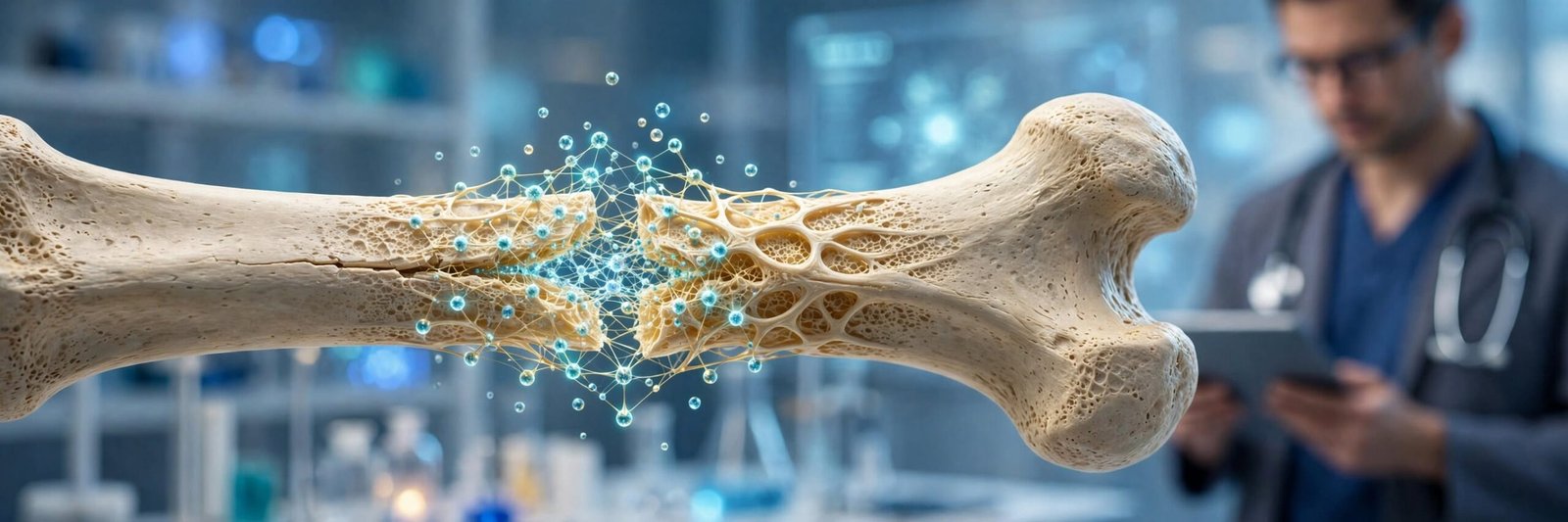
Biomedical engineers at the University of Sydney have created a biodegradable nanomaterial that activates dormant human biological signals to regrow missing bone naturally. Scientists published their preclinical testing results inside the peer-reviewed nanotechnology journal ACS Nano.
Lead researcher Associate Professor Chun Xu collaborated with experts at the University of Queensland to develop this non-invasive regenerative material. Consequently, the material produced 80 percent more new bone volume than traditional control substances during eight-week preclinical laboratory trials.
Overcoming Cleft Palate Surgical Challenges for Children
Cleft lip and palate conditions affect approximately one in every 700 newborn infants globally due to incomplete tissue fusion during pregnancy. Children facing jawbone defects currently endure years of eating, breathing, and speech difficulties while waiting for invasive bone graft surgeries.
Surgeons typically wait until patients reach age 10 to 12 before harvesting healthy bone tissue from other body areas. This experimental calcium-aluminosilicate nanomaterial aims to eliminate secondary donor site surgeries by stimulating local jawbone tissue growth early in childhood.
Activating Dormant Biological Signals and Blood Clotting
The nanomaterial works by activating a naturally occurring latent protein growth factor called Transforming Growth Factor β1, abbreviated as TGF-β1. Once activated, this protein recruits circulating stem cells to damaged areas and encourages their rapid maturation into functional bone-producing osteoblast cells.
Furthermore, the material stimulates localized blood clotting within 30 seconds to stabilize fresh surgical sites during early healing stages. As living bone tissue gradually expands across the injury site, the biodegradable nanomaterial breaks down safely without leaving synthetic residue behind.
Strategic Analysis: 3D Printing and Future Medical Uses
Combining rapid blood clotting, growth factor activation, stem cell recruitment, and tissue regeneration within one single material represents a major biomedical breakthrough. Researchers plan to incorporate this nanomaterial into personalized 3D-printed scaffolds designed to fit unique patient jaw structures perfectly.
Beyond pediatric cleft palate repairs, this technology holds immense potential for treating traumatic fractures, dental bone loss, and severe cancer-related bone defects. However, extensive safety evaluations across larger animal models must precede human clinical trials in reconstructive surgery centers worldwide.
Q&A: Key Medical Insights
Question: How does the new calcium-aluminosilicate nanomaterial stimulate bone growth without supplying external synthetic growth factors?
Answer: The nanomaterial activates the body’s existing latent TGF-β1 proteins, which naturally recruit stem cells to form new living bone tissue.
Question: What percentage increase in new bone volume did the experimental nanomaterial produce during preclinical testing?
Answer: The experimental nanomaterial produced approximately 80 percent more new bone volume than control materials after eight weeks of testing.
Frequently Asked Questions (FAQ)
- Which scientific journal published the University of Sydney research paper on this bone-regenerating nanomaterial technology?
The research team published their complete preclinical study inside the peer-reviewed materials science journal ACS Nano. - Who served as the lead researcher on this biomedical bone regeneration project at the University of Sydney?
Associate Professor Chun Xu, a Sydney Horizon Fellow in the Faculty of Medicine and Health, served as lead researcher. - How many children worldwide are born with cleft lip and palate conditions requiring potential jawbone repair treatments?
Cleft lip and palate conditions affect approximately one in every 700 newborn infants globally during early fetal development. - Why do children with cleft palate conditions traditionally have to wait until age 10 or 12 for surgical bone repair?
Surgeons must wait until children are older to harvest healthy bone grafts safely from other parts of the patient’s body. - How quickly does the novel biodegradable nanomaterial promote localized blood clotting to stabilize fresh bone injury sites?
The biodegradable nanomaterial promotes localized blood clotting within approximately 30 seconds to stabilize injury sites during early healing.
Disclaimer: This news portal article provides informative scientific coverage only and does not substitute for professional medical advice, diagnosis, or surgical guidance.