
People frequently label blueberries as a global superfood because they contain high levels of antioxidants and offer numerous significant health advantages for many modern consumers. However, obtaining fresh blueberries in India is often difficult and expensive, making it highly impractical for most people to consume them every single day.
Fortunately, India possesses its own local superfood called Amla, or Indian gooseberry, which provides similar or even superior health benefits compared to imported berries. This modest fruit is easy to find, exceptionally budget-friendly, and packed with essential nutrients, making it a perfect daily swap for foreign varieties.
The Nutrient Showdown: Amla vs. Blueberries
Amla serves as a massive powerhouse of Vitamin C, containing an impressive 250–300 mg in every 100 grams of the fresh fruit. This concentration is significantly higher than the mere 10 mg found in blueberries, providing your body with a much stronger defense against seasonal illnesses. Furthermore, Amla is rich in dietary fibre, potassium, and chromium, all of which play vital roles in maintaining your overall physical and metabolic health. These combined nutrients work together to protect your cells, lower internal swelling, and fight the daily oxidative stress caused by environmental factors.
Comprehensive Health Benefits of Indian Gooseberry
Regularly consuming Amla can significantly boost your immune system, helping your body naturally fight off germs and persistent infections with much greater efficiency. Additionally, the high chromium content helps keep your blood sugar levels steady, which is particularly beneficial for individuals managing their long-term metabolic health. The fruit also supports heart health and improves digestion, ensuring that your body processes nutrients effectively while maintaining a healthy and resilient cardiovascular system. Finally, the antioxidants found in Amla make your skin look much better by protecting your delicate cells from premature ageing and damage.
Affordability and Seasonal Accessibility
A major advantage of choosing Amla over imported fruits is its incredible affordability, especially when the fresh fruit is in peak season. You can typically purchase fresh Amla for just Rs 20–Rs 30 per kilo, allowing you to enjoy premium nutrition without straining your monthly budget. Even when fresh versions are unavailable, preserved types like dried Amla, powder, or murabba remain easy on the wallet and very simple to find. Consequently, this local superfood ensures that high-quality nutrition remains accessible to everyone regardless of their financial status or geographic location in India.
Practical and Easy Ways to Eat Amla Daily
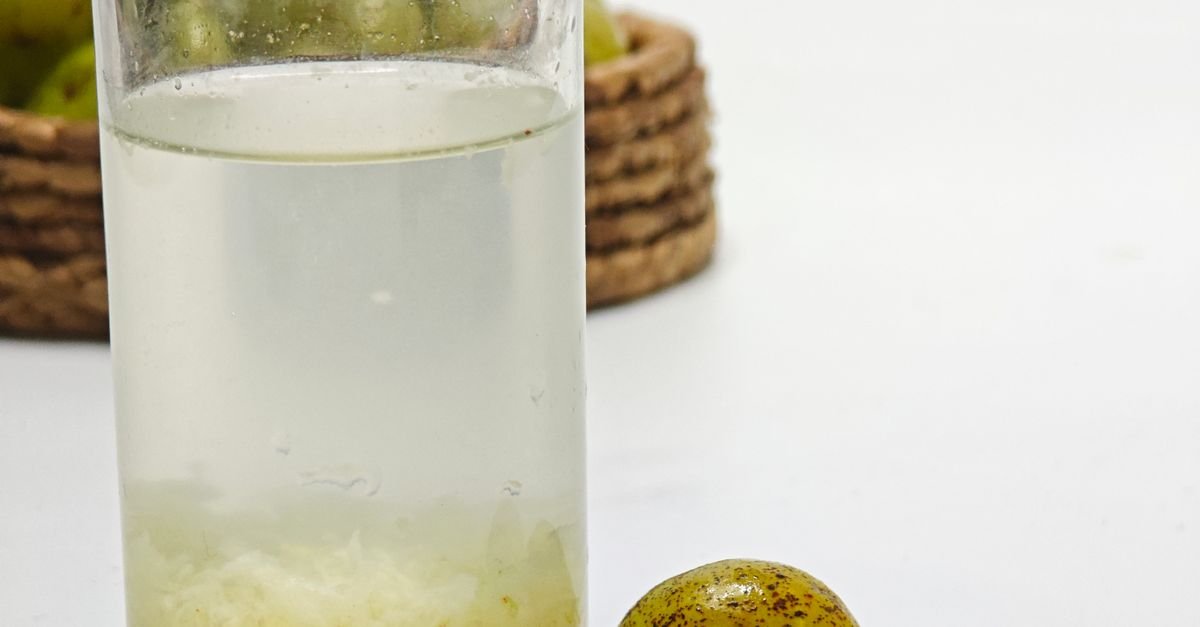
You can easily incorporate Amla into your daily meals without much fuss by adding fresh slices with salt or chilli powder for a zesty snack. For a refreshing morning routine, try mixing Amla juice with water and honey to help your gut health and provide a cool energy boost. If you prefer something sweeter, savour Amla murabba as a healthy dessert or a nutritious side dish with your traditional Indian meals. Additionally, you can mix Amla powder into your smoothies, yoghurt, or salads to quickly enhance the nutrient profile of your favourite healthy recipes.
Analysis: Why Local Superfoods Win
Our analysis suggests that you do not always need to purchase expensive foreign superfoods to maintain your health and achieve your long-term fitness goals. Amla proves that a modest, local fruit can offer superior nutritional value, such as vastly higher Vitamin C, while fitting perfectly into a budget-conscious lifestyle. By choosing local produce, you support sustainable agriculture while receiving fresher nutrients that have not been transported across vast distances or chemically preserved. Therefore, swapping pricey blueberries for Amla is a smarter, more lasting choice for anyone looking to improve their health in a meaningful way.
Frequently Asked Questions (FAQ)
Is Amla really better than blueberries for Vitamin C?
Yes, Amla contains approximately 25 to 30 times more Vitamin C per 100 grams than blueberries, making it a far superior immunity booster.
Can I eat Amla every day?
Consuming a small amount of Amla daily is highly beneficial for your immune system, digestion, and skin health, provided you enjoy it in moderation.
How does Amla help with blood sugar?
Amla contains chromium, a mineral that assists in regulating carbohydrate metabolism and helps keep your blood sugar levels steady and within a healthy range.
Summary Q&A Section
Q: What is the cheapest way to buy Amla?
A: Buying fresh Amla during its natural season is the most cost-effective method, typically costing between Rs 20 and Rs 30 per kilogram.
Q: Can Amla improve my skin quality?
A: Yes, the high Vitamin C and antioxidant content protect your cells from harm, leading to a healthier complexion and a natural, radiant glow.
Q: Is Amla powder as effective as fresh fruit?
A: While fresh is best, Amla powder remains a highly effective and convenient way to add essential nutrients and antioxidants to your daily diet.
Disclaimer: This article is for informational purposes only and is not a substitute for professional medical advice, diagnosis, or treatment. Always seek the guidance of your physician or another qualified health provider with any questions you may have regarding a medical condition