
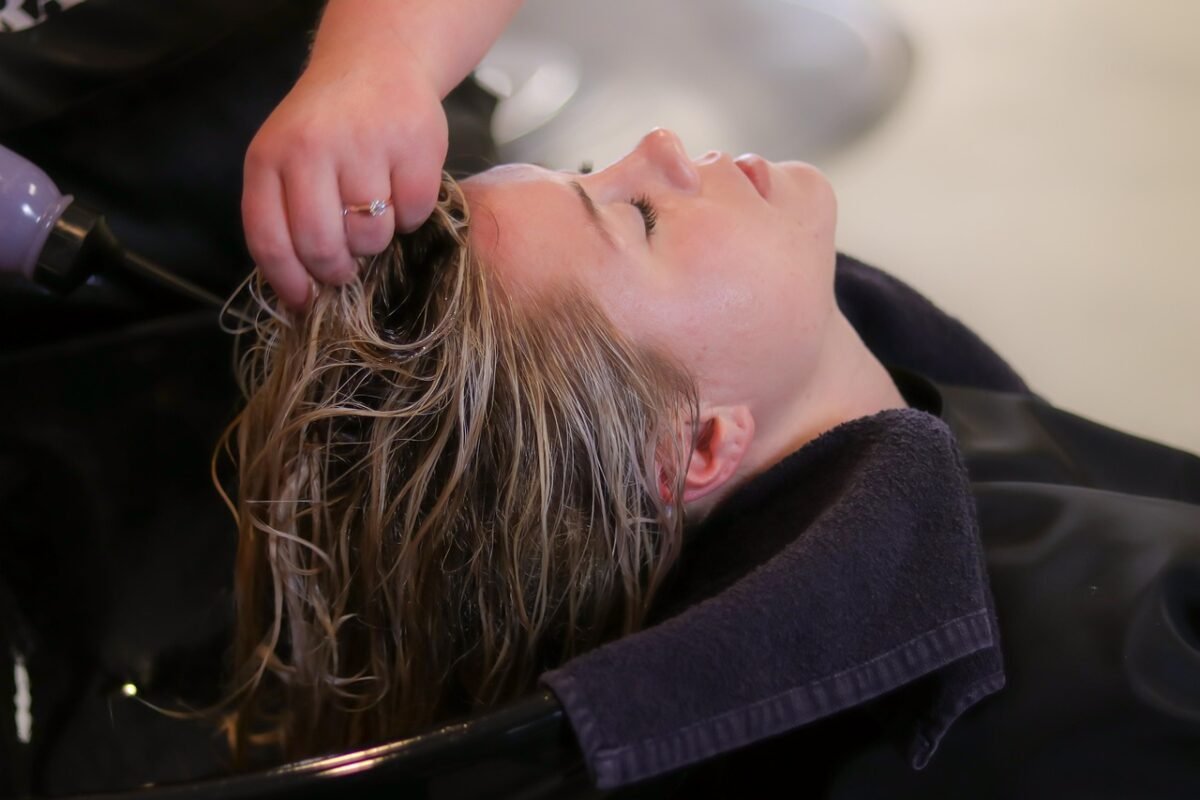
Frizzy, dry, and damaged hair has become a common concern today, and the beauty industry offers numerous advanced treatments that promise to fix these persistent issues. Consequently, understanding the specific differences between popular procedures like hair botox and keratin treatments is essential for anyone seeking a smoother and more manageable mane.
While both options aim to enhance your hair’s appearance, they utilize significantly different biological and chemical mechanisms to achieve their impressive smoothing results.
Understanding the Role of Hair Botox
Hair botox is a deep-conditioning treatment specifically designed for strands that have taken a heavy beating from heat styling, frequent colouring, or intense chemical treatments. If your hair currently feels dry, brittle, or rough to the touch, this reparative procedure can genuinely help improve its overall texture and physical health. It focuses on filling in damaged areas of the hair fiber to tame frizz while restoring a natural and vibrant glow to dull locks.
The Power of Keratin for Sleek Straightening
A keratin treatment offers a completely different outcome because it is primarily selected by individuals who desire much sleeker, straighter hair that remains smooth for months. This procedure provides a strong straightening effect that persists for an extended time compared to milder options, making it ideal for those with very thick curls. By coating the hair shaft, keratin effectively controls intense frizz and creates a polished, mirror-like finish that significantly reduces your daily styling and blowout time.
Making the Right Choice for Your Mane
Ultimately, the choice between these procedures depends on your hair’s specific needs and the particular aesthetic look you wish to maintain after leaving the salon. Neither treatment is universally superior to the other, so you must evaluate whether you need structural repair or a dramatic change in your hair’s curl pattern. Consulting with a professional stylist can help you determine which formula will most effectively address your concerns while protecting the integrity of your delicate hair.
Analysis: Repair vs. Straightening
The primary difference between these two professional services is that hair botox focuses on internal health while keratin prioritizes external smoothness and long-lasting straightening results. You should prioritize hair botox if your strands are severely damaged or dull and require intense hydration to restore their natural strength and elasticity. Conversely, you should choose a keratin treatment if your goal is to achieve a stronger smoothing effect and maintain a perfectly straight hair texture.
Frequently Asked Questions (FAQ)
Will hair botox make my hair perfectly straight?
No, hair botox is primarily designed to improve hair health and tame frizz, so you should not expect a dramatic straightening effect from this session.
How long does a keratin treatment typically last?
The results of a professional keratin treatment can persist for an extended period, often lasting much longer than the hydrating effects provided by a botox treatment.
Is hair botox safe for chemically treated hair?
Yes, hair botox is actually recommended for hair that has been damaged by colouring, heat styling, or previous chemical treatments because it provides deep hydration.
Summary Q&A Section
Q: Which treatment is better for very dry hair?
A: Hair botox is the superior choice for very dry or brittle hair because its formula focuses on repairing damage and providing intense, restorative hydration.
Q: Can I get keratin if I want to keep my curls?
A: If you want to keep your natural curl pattern but reduce frizz, hair botox is a better option, as keratin is designed to straighten.
Q: What is the main goal of a keratin treatment?
A: The main goal of a keratin treatment is to provide long-lasting smoothness and straightening, making it easier to manage thick or unruly hair.
Disclaimer: This article is for informational purposes only and is not a substitute for professional medical advice, diagnosis, or treatment. Always seek the guidance of your physician or another qualified health provider with any questions you may have regarding a medical condition