A balanced diet is essential for maintaining overall health, supporting immunity, and preventing lifestyle diseases like diabetes, obesity, and heart issues. For Indian families, a balanced diet must be nutritious, affordable, culturally acceptable, and easy to prepare using locally available foods.
This article outlines a practical balanced Indian diet plan, explains key nutritional components, and includes a sample Indian diet chart for a family.
🥗 What is a Balanced Diet?
A balanced diet provides all essential nutrients in the right proportions, including:
- Carbohydrates – for energy (rice, roti, fruits)
- Proteins – for muscle and tissue repair (dal, eggs, dairy, meat)
- Fats – for energy and cell function (ghee, nuts, seeds, oils)
- Vitamins & Minerals – for immunity and body functions (fruits, vegetables)
- Water & Fiber – for digestion and detox (fruits, veggies, whole grains)
🏡 Why a Balanced Diet Matters for Indian Families
- Prevents malnutrition and nutrient deficiencies
- Supports healthy growth in children and teens
- Helps adults maintain energy levels and manage weight
- Reduces the risk of diabetes, heart disease, and hypertension
- Supports women’s health, especially during pregnancy and menstruation
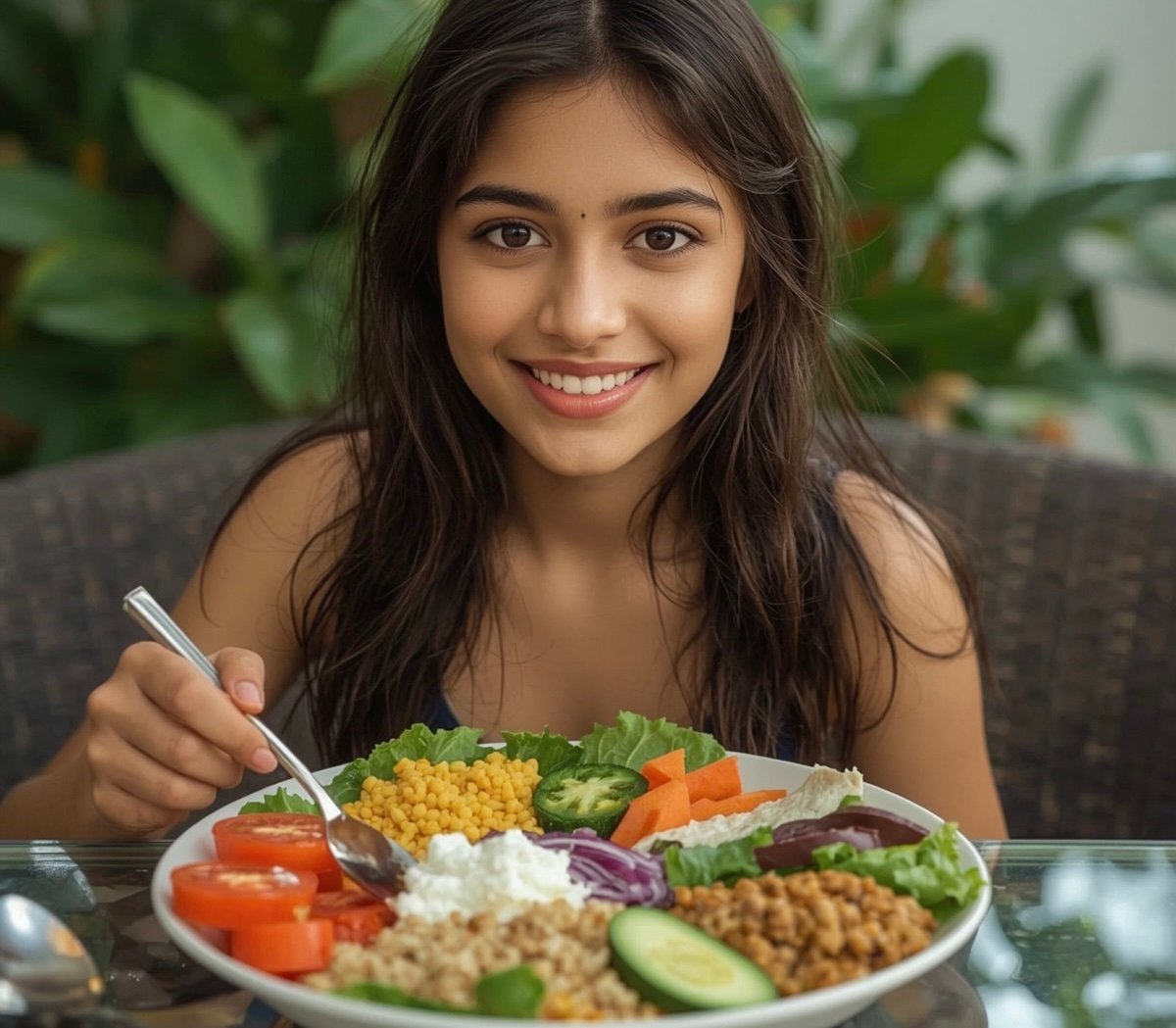
🌾 Core Components of an Indian Balanced Meal
🍚
Cereal/Grains (45-55%)
- Rice, chapati, millet (ragi, bajra, jowar), oats
- Choose whole grains over refined ones
🥬
Vegetables (25%)
- A mix of leafy greens (spinach, methi), roots (carrot, beetroot), and seasonal vegetables
🍛
Protein-Rich Foods (15-20%)
- Pulses (dal, chana), eggs, fish, chicken, paneer, curd, tofu
- Combine cereals + legumes (like rice + dal) for complete protein
🥭
Fruits (5-10%)
- Banana, papaya, apple, orange, guava, pomegranate — rich in fiber and vitamins
🥥
Healthy Fats (Less than 10%)
- Cold-pressed oils (mustard, groundnut, coconut), ghee in moderation
- Nuts and seeds (almonds, flaxseed, sesame)
📅 Sample Indian Diet Chart (Family-Friendly)
🕖
Morning (6–7 am) – Empty Stomach
- Warm water with lemon / soaked fenugreek seeds / jeera water
🍽️
Breakfast (8–9 am)
- Option 1: Vegetable upma + boiled egg + tea
- Option 2: Poha with peanuts + banana
- Option 3: Idli + sambhar + fresh coconut chutney
🥤
Mid-Morning Snack (11 am)
- Seasonal fruit (apple, orange, papaya)
- Buttermilk or a handful of roasted chana
🍛
Lunch (1–2 pm)
- 2 whole wheat rotis or 1 cup rice
- 1 katori dal or rajma/chole
- 1 sabzi (like bhindi, lauki, or cabbage)
- Salad (carrot, cucumber)
- Curd or chaas
🍵
Evening Snack (5–6 pm)
- Roasted makhana / sprouts chaat / ragi cookies
- Herbal tea or green tea
🍽️
Dinner (7–8 pm)
- 2 rotis or 1 bowl vegetable khichdi
- 1 sabzi (like palak paneer or mixed veg)
- Light salad or soup
🛌
Before Bed (Optional)
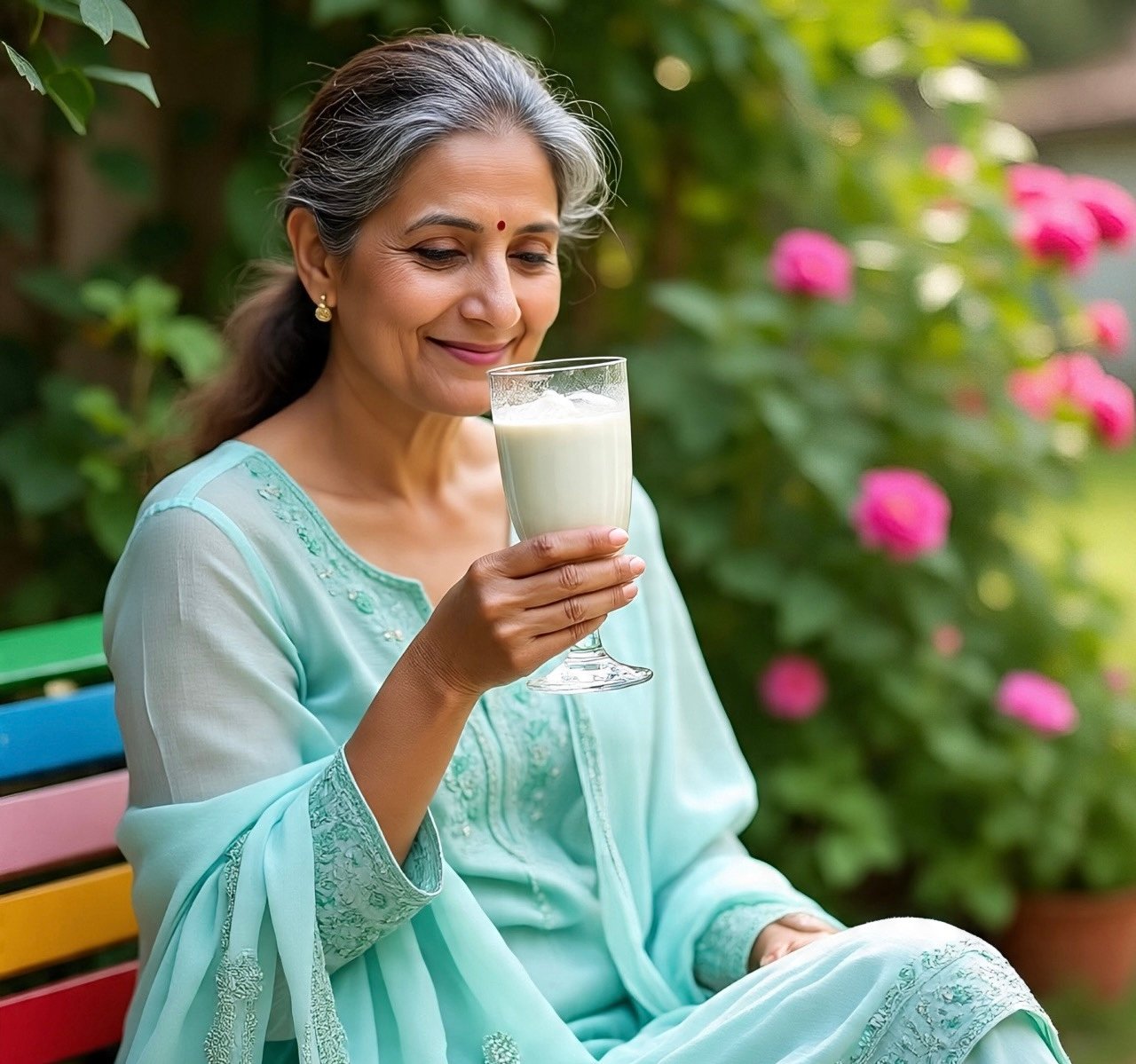
- Warm turmeric milk (haldi doodh)
🍱 Balanced Diet Tips for Different Age Groups
👶 Children
- Ensure calcium and iron-rich foods
- Avoid junk food; encourage fruits, milk, boiled eggs
👩👩👧 Adults
- Watch portion sizes, avoid fried items and processed snacks
- Increase intake of fiber and protein
👵 Elderly
- Soft, easy-to-digest meals
- More fruits, soups, and low-fat dairy
🚫 Foods to Minimize
- Refined sugar and sweets
- Fried snacks (pakoras, samosas)
- Sugary drinks and sodas
- Excess salt and pickles
- Highly processed packaged foods
🧂 Portion Control & Eating Habits
- Eat smaller meals every 3–4 hours
- Avoid late-night eating
- Chew food properly; eat mindfully
- Encourage family meals together to promote healthy eating habits in children
📝 Final Thoughts
A balanced Indian diet doesn’t mean fancy or expensive ingredients — it means eating smart, staying consistent, and using local, seasonal foods. With small adjustments, Indian households can follow nutritious meals that suit every age group.
🏷️ Summary Checklist:
- ✔️ Whole grains + proteins + vegetables in every major meal
- ✔️ Daily fruits and 8+ glasses of water
- ✔️ Limited sugar, salt, and fried items
- ✔️ Regular physical activity
- ✔️ Family involvement in meal planning