
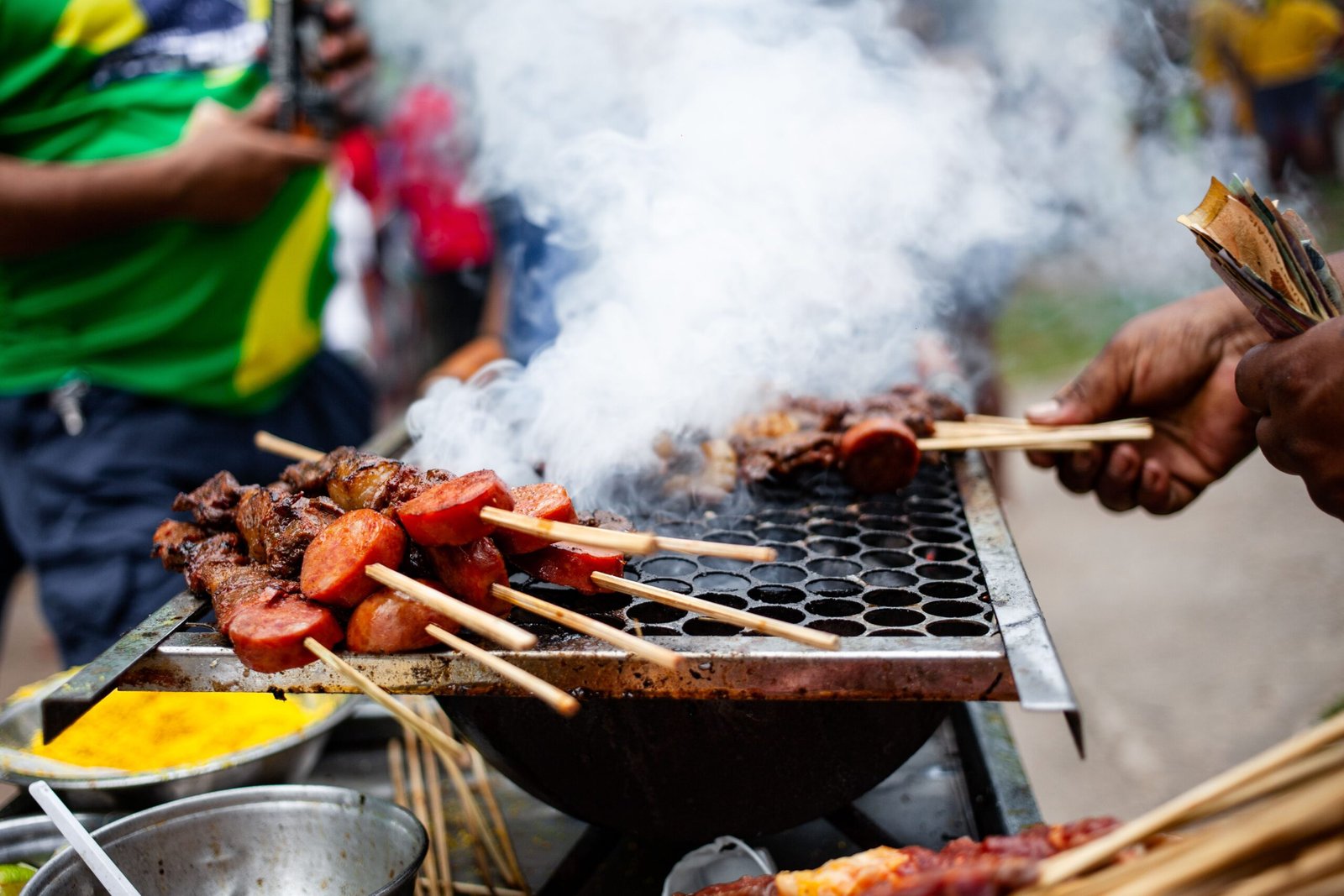
There is now substantial amount of evidence that eating more meat, particularly red and processed meat, increases risk of cancer. However, not every dataset shows association, and researchers seek more clarity for specific cancer types.
New study published in International Journal of Cancer, by international team of researchers, takes closer look at meat’s relationship to cancers of stomach and esophagus called adenocarcinomas. These cancers start in glandular cells. Cases of esophageal adenocarcinoma, EAC, in particular have been rising in recent years. Esophageal cancer as whole is now 11th most common cancer worldwide. Gastric cancers, GCs, are even more widespread, coming in at 5th.
The team looked at data from 450,112 people involved in long-running health research project. Data included details on diet and cancer cases. Participants were tracked for average of 14.1 years, and clear correlations emerged, as well as some unexpected results.
Key Finding: 30g More Processed Meat Raises GC Risk 9% and EAC Risk 13%
“Higher processed meat intake was associated with increased risk of gastric cancer, especially intestinal-type gastric cancer, and esophageal adenocarcinoma,” researchers write in published paper.
“This study adds new evidence for gastric and esophageal cancer prevention related to meat consumption,” they added. An additional 30 grams of processed meat per day was associated with 9 percent increase in GC risk and 13 percent increase in EAC risk.
There are many more potential pathways from processed meat to cancer that we know about, making it less surprising finding. Chemicals formed from eating red meat can damage DNA and increase oxidative stress on cells, for example, which increases chances of cancer developing.
“For processed meat, processing and storage methods are also important factors that can increase risk of GC and EAC,” researchers write. In this context, processed meat consumption contributes to higher intake of salt, which has been shown to irritate gastric mucosa. Salt triggers significant gastric damage and inflammation, creating environment conducive to cancer development. Therefore, salt content adds to risk beyond meat itself.
Unexpected Results: White Meat Linked To 20% Higher Risk In Women
The study also analyzed unprocessed red meat and unprocessed white meat separately, and that turned up interesting findings. First, there was no significant connection between unprocessed red meat and these specific cancer types in this dataset.
Second, 20 gram daily increase in white meat was associated with 20 percent increased risk of cancer in lower and middle parts of stomach in women. Researchers found no such link in men, indicating sex-specific association needing further study. There could be several factors at play, researchers suggest, including carcinogenic effects of cooking chemicals and byproducts of body breaking down proteins, which white meats are rich in. However, study focused on finding associations rather than explaining them fully.
“While white meat is often considered healthier compared to red or processed meats, potential for increased cancer risk due to protein metabolism, microbiota alterations, and cooking methods warrants further investigation,” researchers write.
Analysis: Why Processed Meat May Be More Harmful Than Unprocessed
While white meat finding is unexpected, processed meat case is getting stronger when added to previous studies. For study authors, it’s now clear that action needs to be taken.
Processing methods like curing, smoking, and adding nitrates produce carcinogenic compounds. Furthermore, high salt content irritates stomach lining and promotes chronic inflammation. High-temperature cooking also forms chemicals that damage DNA and increase oxidative stress. These mechanisms together explain why extra hot dog or slice of bacon may not be worth health risk.
While study’s long follow-up period and large number of participants are key strengths, research alone can’t prove cause and effect. Meat consumption habits were only checked once, at start, and may have changed over subsequent years.
Despite limitations, once you add everything we know from previous studies, case against processed meat is only getting stronger. “Processed meat may increase risk of GC and EAC, although further research is needed to clarify effects of white meat consumption,” researchers write.
“Future studies should elucidate underlying mechanisms and inform dietary guidelines to reduce cancer risk,” they concluded.
Q&A
Q: How much does processed meat increase stomach cancer risk?
A: Study of 450,112 people found each extra 30g processed meat daily linked to 9% higher gastric cancer and 13% higher esophageal adenocarcinoma risk.
Q: Is unprocessed red meat linked to stomach cancer?
A: In this 14.1-year study, no significant connection was found between unprocessed red meat and gastric or esophageal adenocarcinoma.
Q: Does white meat increase gastric cancer risk in women?
A: 20g daily increase in white meat was linked to 20% higher risk of lower and middle stomach cancer in women, but not men, requiring further research.
FAQ
1. How many people were in meat and cancer study?
Study analyzed 450,112 participants tracked for average 14.1 years in International Journal of Cancer, looking at diet and gastric and esophageal cancers.
2. What types of cancer were studied?
Researchers focused on gastric adenocarcinoma, especially intestinal-type, and esophageal adenocarcinoma, cancers starting in glandular cells.
3. Why is processed meat risk higher than unprocessed?
Processing, storage, salt, and formation of DNA-damaging chemicals during cooking increase oxidative stress and gastric mucosa irritation.
4. Is white meat healthier than red meat for cancer risk?
White meat often considered healthier, but potential risk from protein metabolism, microbiota changes, and cooking methods warrants further investigation.
5. Can this study prove processed meat causes cancer?
No, observational study with diet measured once at start cannot prove cause and effect, though large size and long follow-up strengthen evidence.
Disclaimer; This article is for informational purposes only and does not constitute medical or dietary advice. Individual cancer risk depends on many factors including genetics, Helicobacter pylori infection, diet, lifestyle, and cooking methods. Always consult qualified healthcare professionals for personal dietary guidance and cancer prevention.