Researchers discovered encouraging links between tongue bacteria and how quickly healthy adults process information, opening exciting possibilities for future brain wellness research globally. A new PLOS ONE study analyzed 60 healthy adults across the UK and Belgium, exploring oral microbes and cognitive performance together enthusiastically.
Furthermore, scientists led by Joanna E L Heureux at University of Exeter collaborated with Vrije Universiteit Brussel to investigate nitrate-reducing oral bacteria comprehensively.
How Scientists Tested The Connection
Specifically, researchers recruited 15 younger adults in their twenties and 15 older adults averaging sixties or seventies in each country carefully systematically. Meanwhile, participants completed memory, attention, emotion recognition, and processing speed tests while researchers collected blood pressure, blood, saliva, and tongue swabs systematically.
Importantly, researchers excluded smokers, recent antibiotic users, and individuals with oral disease history to ensure clean microbiome and cognitive data consistently.
The Good News Findings
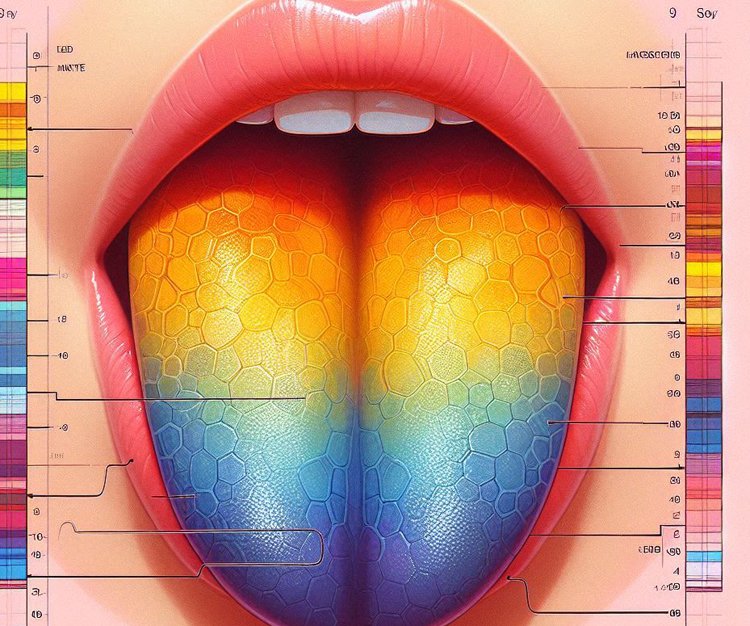
Additionally, researchers identified tongue bacteria communities, comparing microbial abundance with cognitive test performance across both countries for consistent patterns and geographical differences positively. Therefore, one encouraging finding appeared in both countries: people with more Prevotella histicola bacteria responded faster on certain cognitive tasks consistently remarkably.
Moreover, Haemophilus parainfluenzae showed intriguing mixed patterns, linking to faster emotion recognition and better working memory accuracy in Belgian participants notably positively.
Why More Bacteria Does Not Mean Smarter
However, researchers emphasized having more of a particular bacterium did not guarantee superior performance across all cognitive tests universally for every participant included. Nevertheless, age remained the strongest predictor, with older age associating with slower responses, while bacterial differences reflected healthy variation rather than clinical impairment entirely.
Furthermore, researchers found 17 bacterial species differed between younger and older adults, with Treponema and Tannerella genera more abundant in older mouths generally.
The Beetroot Connection And Future Hope
Conversely, one nitrate-reducing species appeared more abundant in younger participants, though abundance alone did not automatically indicate better cognitive performance overall necessarily consistently. Importantly, geography influenced oral communities significantly, with UK and Belgian participants showing distinct bacterial profiles despite some shared age-related patterns across countries remarkably.
Additionally, researchers explained beetroot nitrate enters bloodstream, returns to mouth, where tongue bacteria transform it into nitrite supporting nitric oxide production naturally effectively.
What This Means For Brain Wellness
Consequently, this chemical journey highlights how oral microbes may influence blood vessel widening, potentially supporting brain blood flow and cognitive processing speed effectively hopefully. Moreover, chemical measurements showed mixed results, with plasma nitrate linking to better performance on one test but poorer emotion recognition accuracy elsewhere unexpectedly interestingly. Nevertheless, authors stress findings remain exploratory with only 30 participants per country, requiring larger studies to confirm genuine biological patterns versus statistical chance clearly.
Ultimately, researchers conclude certain mouth bacteria accompany differences in thinking skills, offering hopeful avenues for future wellness research without claiming dementia prevention currently whatsoever positively.
Q&A
Q: Why does this PLOS ONE tongue bacteria study matter for everyday brain wellness and preventive health strategies globally?
A: Because it reveals encouraging, non-invasive possibilities where simple tongue swabs might eventually help monitor cognitive processing speed alongside traditional lifestyle factors positively.
Q: Could eating more beetroot improve processing speed by feeding beneficial tongue bacteria naturally and safely?
A: Researchers did not test dietary interventions, so they cannot claim beetroot improves thinking, but nitrate pathway offers promising future research direction for wellness.
Q: Did researchers prove that changing tongue bacteria directly improves memory, attention, or processing speed for everyone?
A: No, researchers demonstrated statistical associations only, emphasizing larger controlled studies must determine whether altering oral microbes influences cognitive performance causally and safely.
FAQ
Q: What did the new PLOS ONE study find about tongue bacteria and thinking speed?
A: Researchers found people with more Prevotella histicola responded faster on certain tests, with patterns replicated across both UK and Belgian participants encouragingly.
Q: Does having more Haemophilus parainfluenzae mean you will think faster and remember better always?
A: Not consistently, Belgian participants showed faster responses and better working memory, while UK participants showed mixed results including slower emotion recognition responses occasionally.
Q: Did older adults have different tongue bacteria compared to younger adults in this study?
A: Yes, researchers identified 17 species differing by age, with gum-disease-associated Treponema and Tannerella more abundant in older healthy adults generally.
Q: Can tongue bacteria predict or prevent dementia according to this PLOS ONE research findings?
A: No, participants were healthy with normal screening, results reflect variation among healthy people rather than diagnosis, prevention, or prediction of dementia whatsoever.
Q: What are the limitations of this tongue bacteria and cognition study that readers should know clearly?
A: Sample size was small, diet was uncontrolled, storage differed between countries, and multiple comparisons increase chance findings, requiring larger replication studies necessarily.
Disclaimer; This article provides educational information and does not constitute professional medical advice, diagnosis, or treatment recommendation whatsoever.