
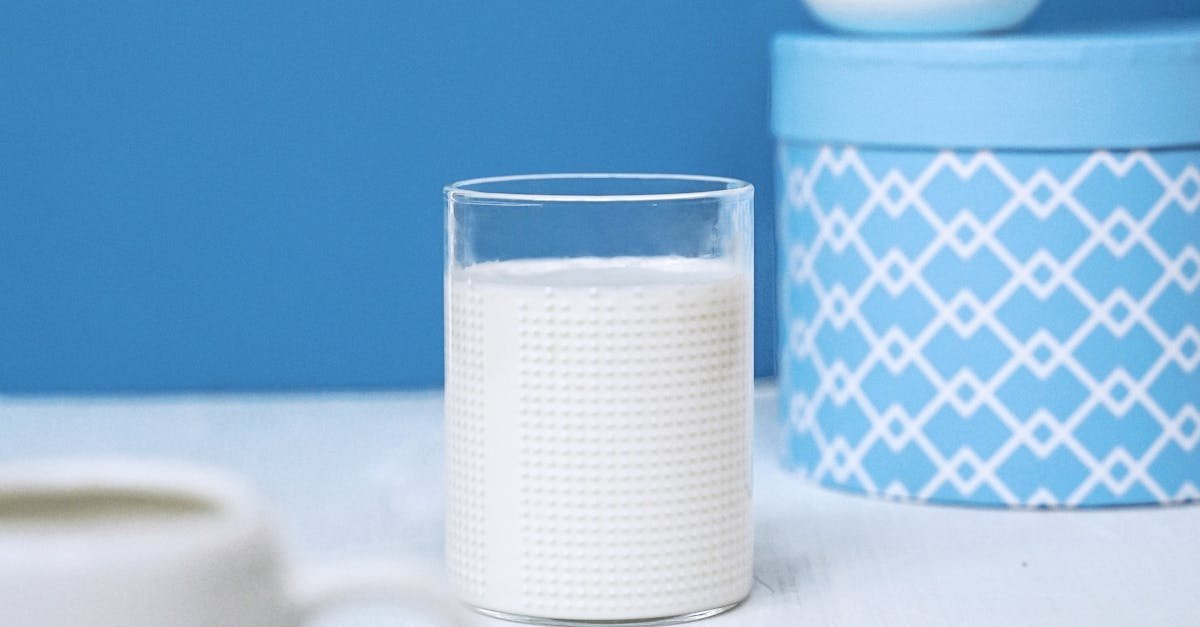
Milk is a powerhouse of nutrition, providing calcium, protein, and vitamins essential for bone health and muscle function. It serves as the foundation for many dairy products like yogurt, cheese, and butter across various global culinary traditions.
However, many people wonder whether they should consume milk in its raw form or boil it for better health.
The Nutritional Appeal of Raw Milk
Raw milk enthusiasts argue that it contains natural enzymes and beneficial probiotics that heat treatment might destroy. These enzymes, such as lactase, allegedly make raw milk easier to digest for people with common lactose sensitivities. Furthermore, research suggests raw milk might protect infants from respiratory infections, though boiled farm milk shows similar, less pronounced effects. Some believe these benefits come from heat-sensitive components that support the early development of the human immune system.
Understanding the Risks of Raw Consumption
Despite the potential benefits, raw milk can carry dangerous pathogens like E. coli, Salmonella, and Listeria. These bacteria pose significant health risks, especially to children, pregnant women, and the elderly who have weaker immune systems. Additionally, raw milk has a shorter shelf life because it lacks the preservation benefits provided by pasteurisation or boiling. Without heat treatment, milk spoils much faster, making it less convenient for many modern households to store safely.
Why Boiling Is the Safer Choice
Boiling milk destroys most bacteria and pathogens, making it a much safer option for general daily consumption. Consequently, major health organisations like the WHO and FDA strongly recommend boiling milk to prevent dangerous foodborne illnesses. Boiled milk also stays fresh for a longer duration when stored properly in a refrigerator compared to raw milk. While boiling might alter the taste slightly, the safety benefits provide peace of mind for the average consumer.
The Impact of Heat on Nutrients
Scientific studies show that boiling may reduce levels of vitamins B1, B2, B12, C, and folate by up to 36%. Despite these reductions, milk remains a significant source of these essential nutrients even after it has been boiled. Interestingly, heat treatment may slightly increase vitamin A levels while also denaturing certain milk proteins like beta-lactoglobulin. This protein alteration could influence the milk’s overall digestibility and its potential to cause allergic reactions in consumers.
Critical Analysis: Safety Versus Natural Benefits
The debate highlights a conflict between seeking “pure” nutrition and ensuring basic food safety for the general public. While raw milk offers specific enzymatic benefits, the risk of severe bacterial infection often outweighs these minor nutritional advantages. Boiling acts as a necessary safeguard, effectively trading a small percentage of vitamins for a massive increase in safety. Consumers must weigh these factors carefully, especially when providing milk to vulnerable groups like children or the elderly.
Q&A: Common Concerns
Is raw milk better for building immunity?
Some studies link raw milk to reduced respiratory infections in infants due to heat-sensitive immune-supporting components.
Does boiling milk make it less healthy?
Boiling reduces some B vitamins and vitamin C, but the milk still provides high levels of calcium and protein.
Can I drink raw milk if it comes from a farm?
Experts suggest raw milk is an option only from reliable sources, but boiled milk is safer for general consumption.
FAQ
What pathogens are found in raw milk?
Common risks include E. coli, Salmonella, and Listeria.
Does boiling change the protein?
Yes, heat can denature proteins like beta-lactoglobulin, which may affect digestibility.
Which vitamins increase with heat?
Some studies indicate that vitamin A levels may increase slightly after heat treatment.
Is boiled milk recommended by experts?
Yes, the WHO and FDA recommend boiling to ensure the milk is safe.