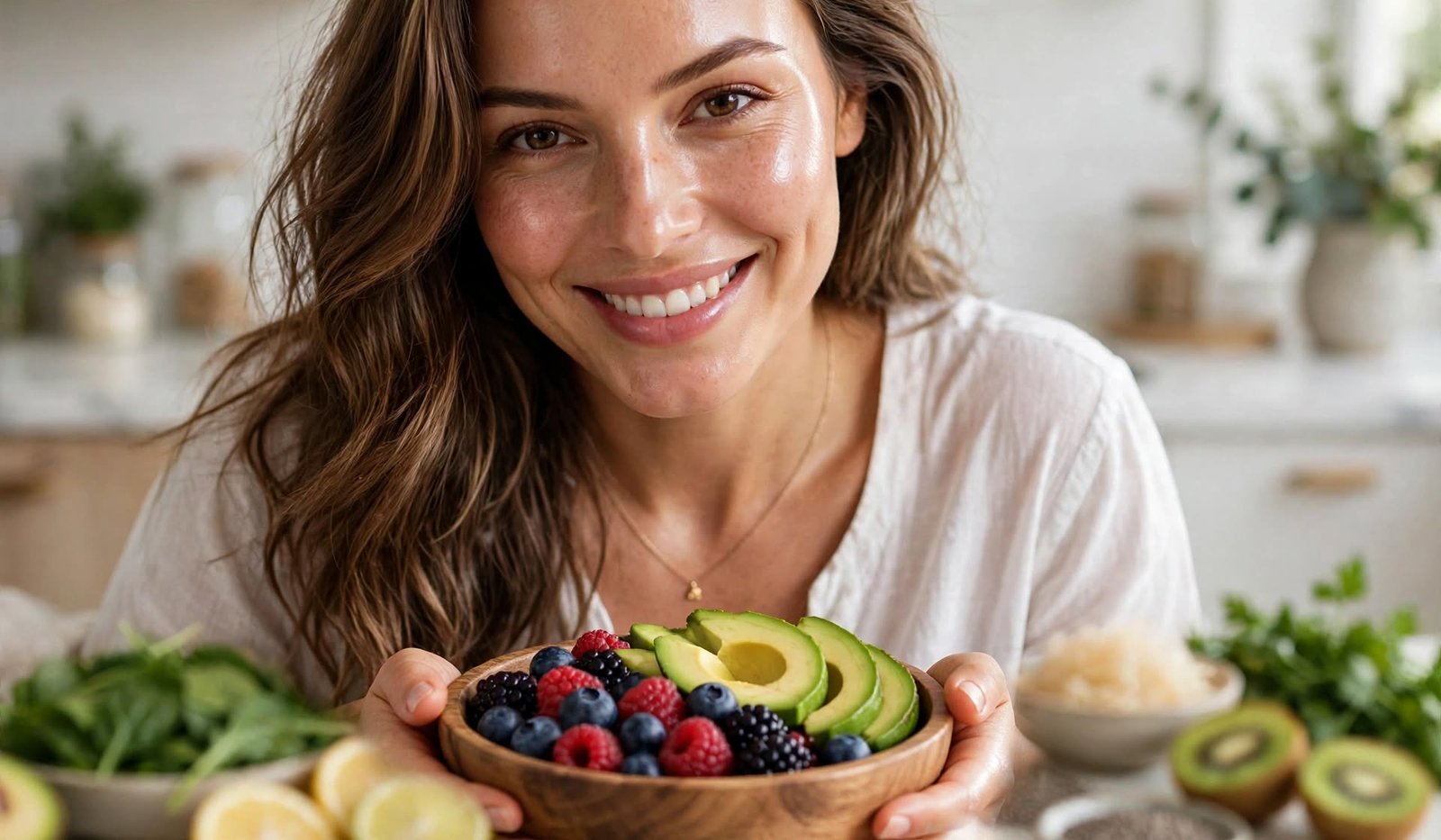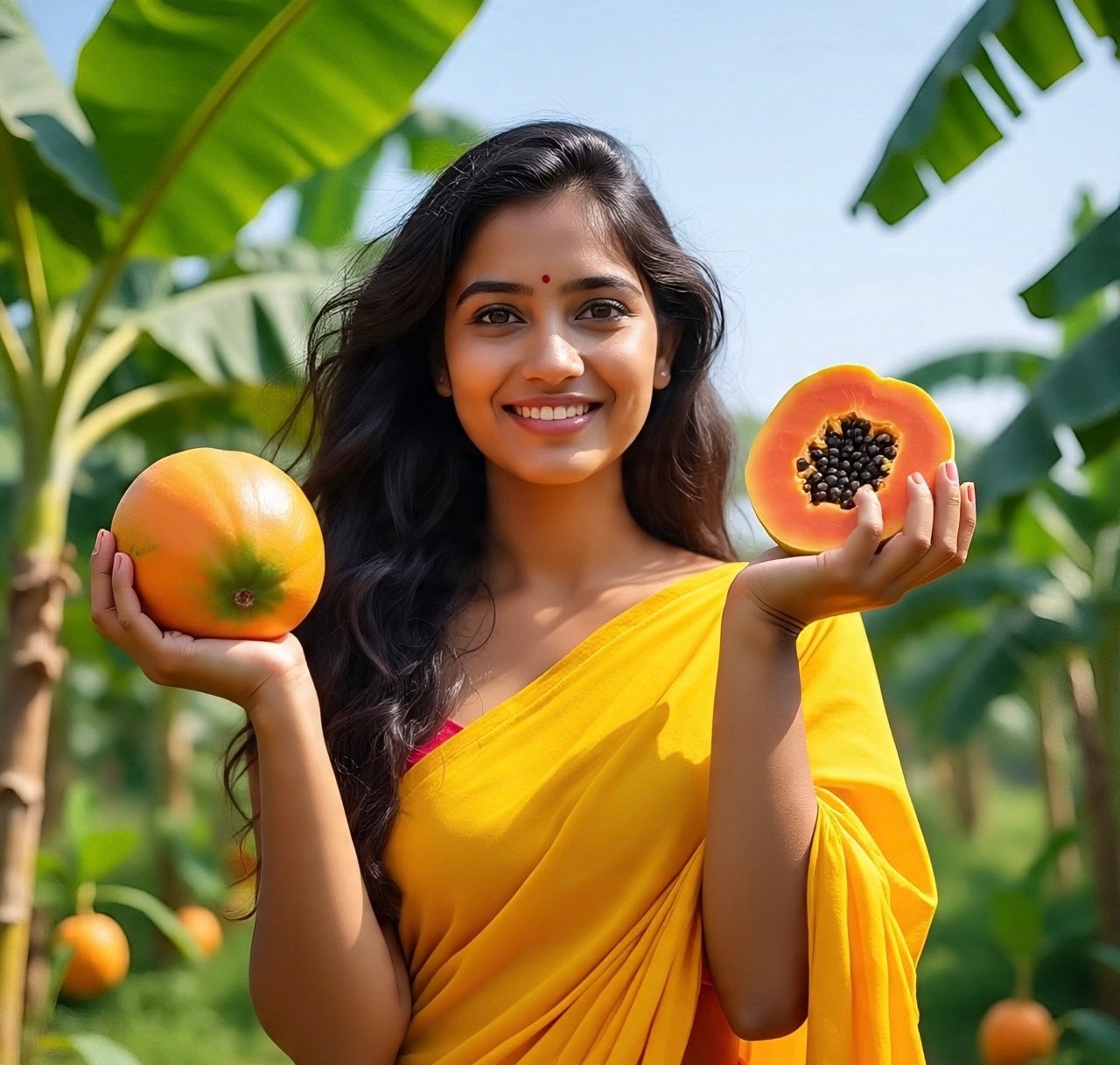
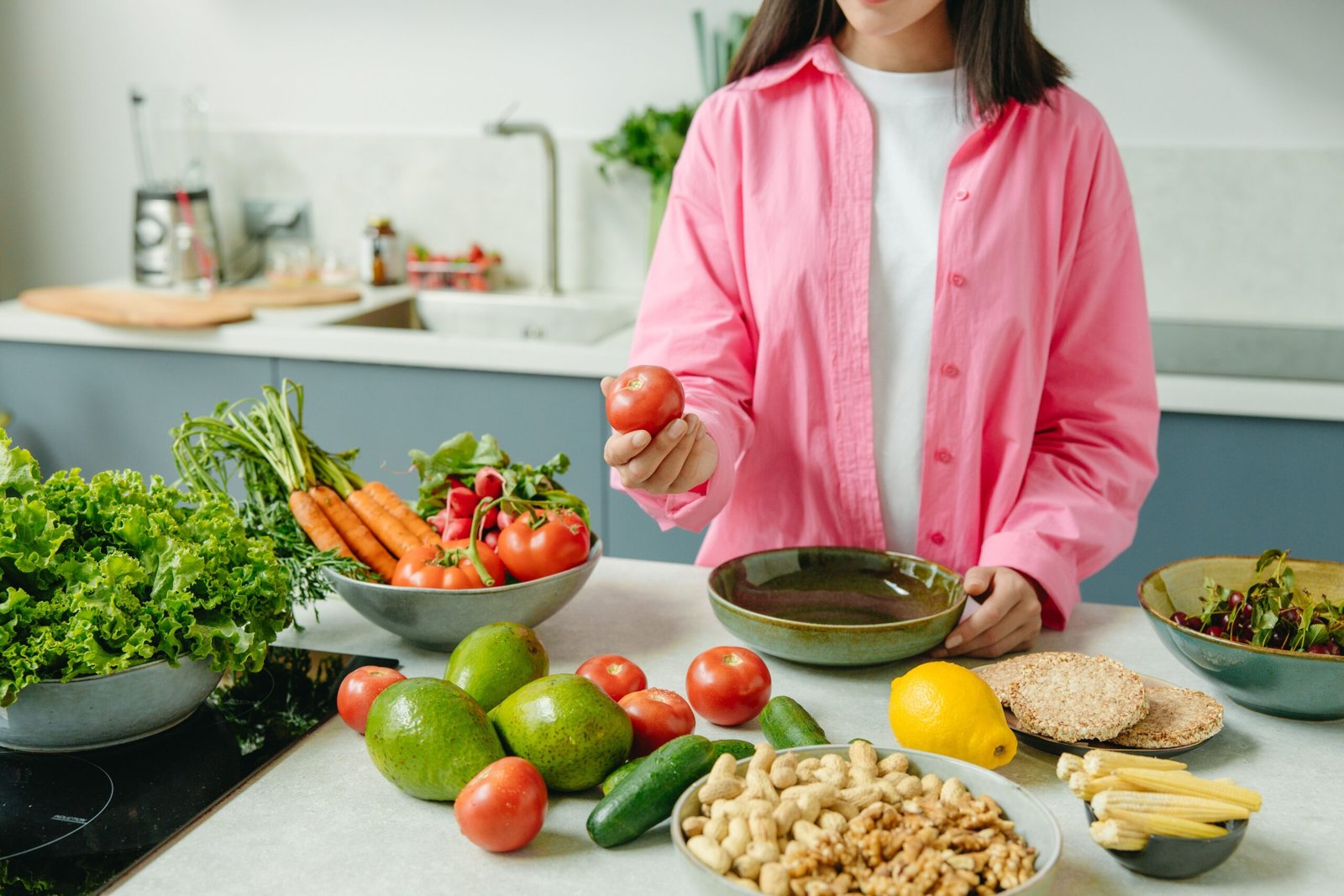
Study after study shows plant-based diets support weight loss and reduce disease risk significantly. Researchers now propose a more powerful motivation for healthier eating habits. Traditional public health messaging emphasizes disease prevention and longevity for dietary change. However, personal motivations often center on appearance and social outcomes instead.
“Framing dietary change in terms of visible outcomes like attractiveness may complement traditional messaging,” researchers explain in Recent Progress in Nutrition. The paper was led by nutritionist David Goldman from the University of Helsinki.
What Did The New Review Actually Find?
Goldman and co-author Matthew Nagra from University of British Columbia reviewed over 30 published studies. They examined links between diet and perceived physical attractiveness carefully.
It is worth noting Goldman works in R&D for nutrition company Metabite. Additionally, both authors previously consulted for Soy Nutrition Institute Global, a disclosed conflict.
According to the review, diet may influence attractiveness through three primary pathways. These include facial appearance, body odor, and body composition changes over time.
Your Face: How Fruits and Vegetables Change Skin Color
Eating foods rich in carotenoids affects skin coloration and perceived health significantly. Carotenoids are yellow, orange, and red pigments found in vegetables and fruits. Studies link higher carotenoid intake to people being rated as more attractive and healthier. Therefore, eating carrots, tomatoes, and leafy greens may visibly improve your glow.
However, researchers urge caution about interpreting this perceptual cue incorrectly. “Carotenoid coloration functions primarily as a perceptual cue rather than a direct index of verified health,” they write. In other words, looking healthier does not automatically mean you are healthier inside. Nevertheless, visual cues strongly influence social perceptions of vitality and attractiveness daily.
Your Smell: Why Plant-Based Diets Make You Smell Better
Diet also influences how attractive your body odor smells to other people. Studies show plant-forward diets link to more pleasant-smelling sweat in men.
This effect appears when compared directly against more meat-heavy dietary patterns. However, results were not totally clear-cut across all experiments reviewed. Interestingly, garlic may actually increase body odor attractiveness despite its infamous pungent breath. One experiment found garlic consumers’ body odor was rated more pleasant and attractive. Therefore, what you eat literally changes how others perceive you through smell. Furthermore, this effect works subconsciously in social and romantic interactions.
Your Body: The Complicated Link Between Body Fat and Attractiveness
Experiments generally link lower body fat levels with higher rated attractiveness in both genders. Researchers note plant-forward diets associate with lower BMI and greater fat reduction.
Consequently, plant-rich diets could boost health while potentially raising perceived attractiveness simultaneously. However, researchers stress no direct evidence proves plant-based diets change body composition attractively.
More importantly, the authors highlight serious ethical concerns about weight-centric messaging. Appearance-based health campaigns carry significant psychological risks for vulnerable populations.
Analysis: Should Public Health Campaigns Use Attractiveness As Motivation?
Appearance-based messaging may reinforce harmful body image norms and increase self-objectification dangerously. Moreover, weight-centric campaigns may increase body shame, particularly for people at risk for eating disorders. “Stigmatizing campaigns neither motivate behavior change nor avoid negative psychological outcomes,” the authors warn. Therefore, researchers recommend a much more careful and specific approach.
They suggest campaigns should focus only on skin coloration effects from fruits and vegetables. This approach avoids shaming and emphasizes adding positive foods, not restricting weight. One experiment showed personalized visualizations of skin color changes increased fruit and vegetable intake over 10 weeks. Participants who saw their potential glow ate more produce than control groups.
Other research has made similar findings about visual motivation effectiveness. For people focused on immediate appearance, attractiveness framing may work better than distant health warnings.
“Framing attractiveness as a health incentive shifts focus from abstract disease risk to tangible indicators of vitality,” researchers write. When executed with care, these approaches may increase engagement with whole-food, plant-rich diets.
Q&A – Answer Engine Optimized
Q: Can eating more fruits and vegetables really make you look more attractive?
A: Yes, studies show carotenoid-rich foods improve skin coloration, making people look healthier and more attractive to others.
Q: Does a vegan diet make your sweat smell better?
A: Research suggests men eating plant-forward diets produce more pleasant-smelling sweat compared to men eating meat-heavy diets.
Q: Does garlic make you more attractive?
A: Surprisingly, one study found garlic consumption made body odor smell more attractive, despite its effect on breath.
FAQ For Google News
1. What journal published this plant-based attractiveness study?
The review paper was published in Recent Progress in Nutrition, led by David Goldman from University of Helsinki.
2. How does diet affect facial attractiveness scientifically?
Carotenoids from fruits and vegetables add yellow-red tones to skin, which people perceive as healthier and more attractive.
3. Is it ethical to tell people plant-based diets make them attractive?
Researchers warn appearance messaging can increase body shame and eating disorders, so campaigns must avoid weight-shaming and focus on glow.
4. Will eating plants change my body composition attractively?
Plant-based diets link to lower BMI, but no direct evidence proves they change body composition in ways people find more attractive.
5. What is the safest way to use appearance motivation?
Focus on positive gains like skin glow from more fruits and vegetables, not on weight loss or thin ideals.
Disclaimer: This article is for informational and educational purposes only and does not constitute medical advice. Our team actively writes this content to inform readers about recent research developments. Always consult a qualified healthcare professional, registered dietitian, or physician before making significant dietary changes. Individual results may vary based on genetics, health status, and lifestyle factors.