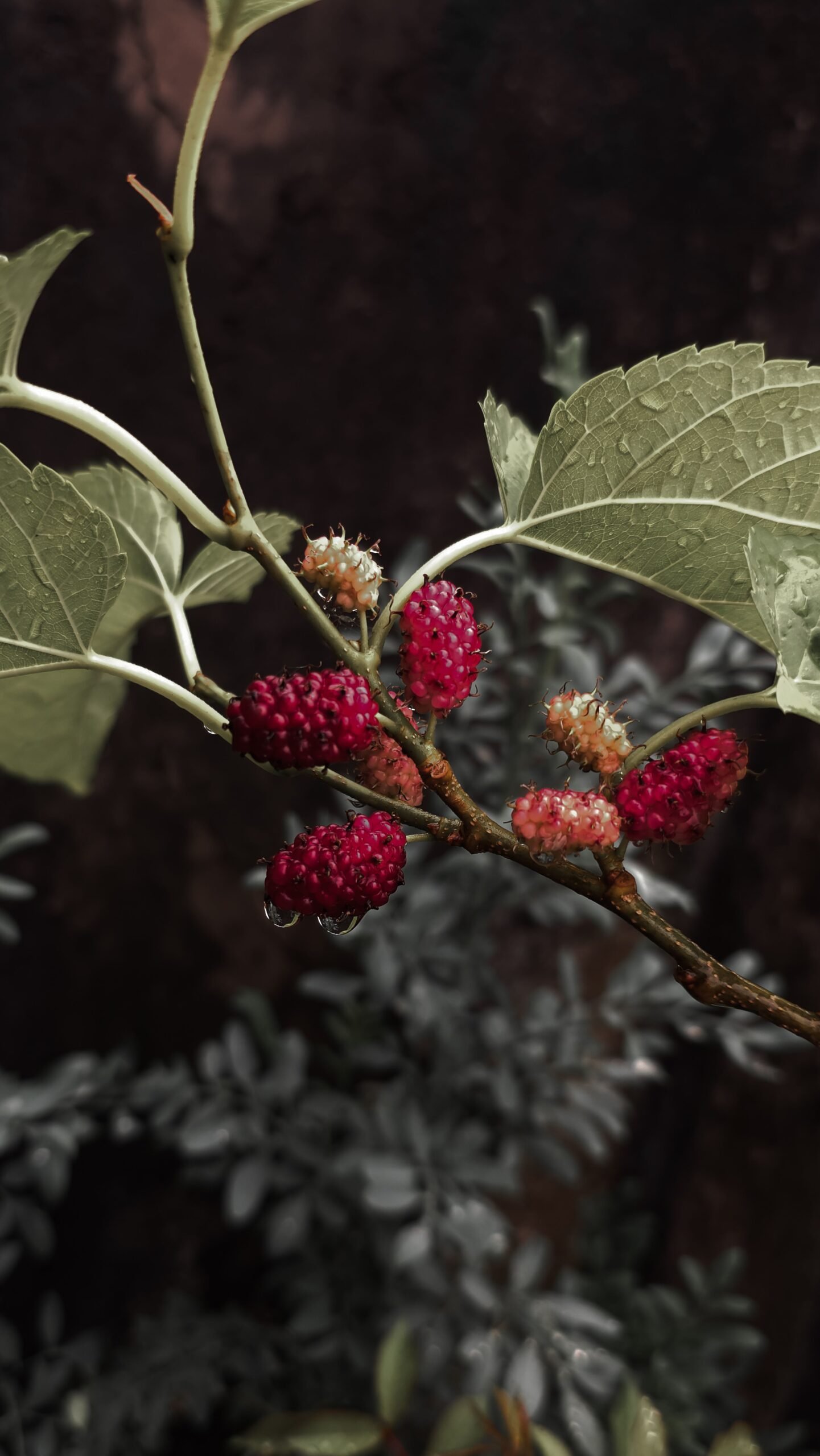
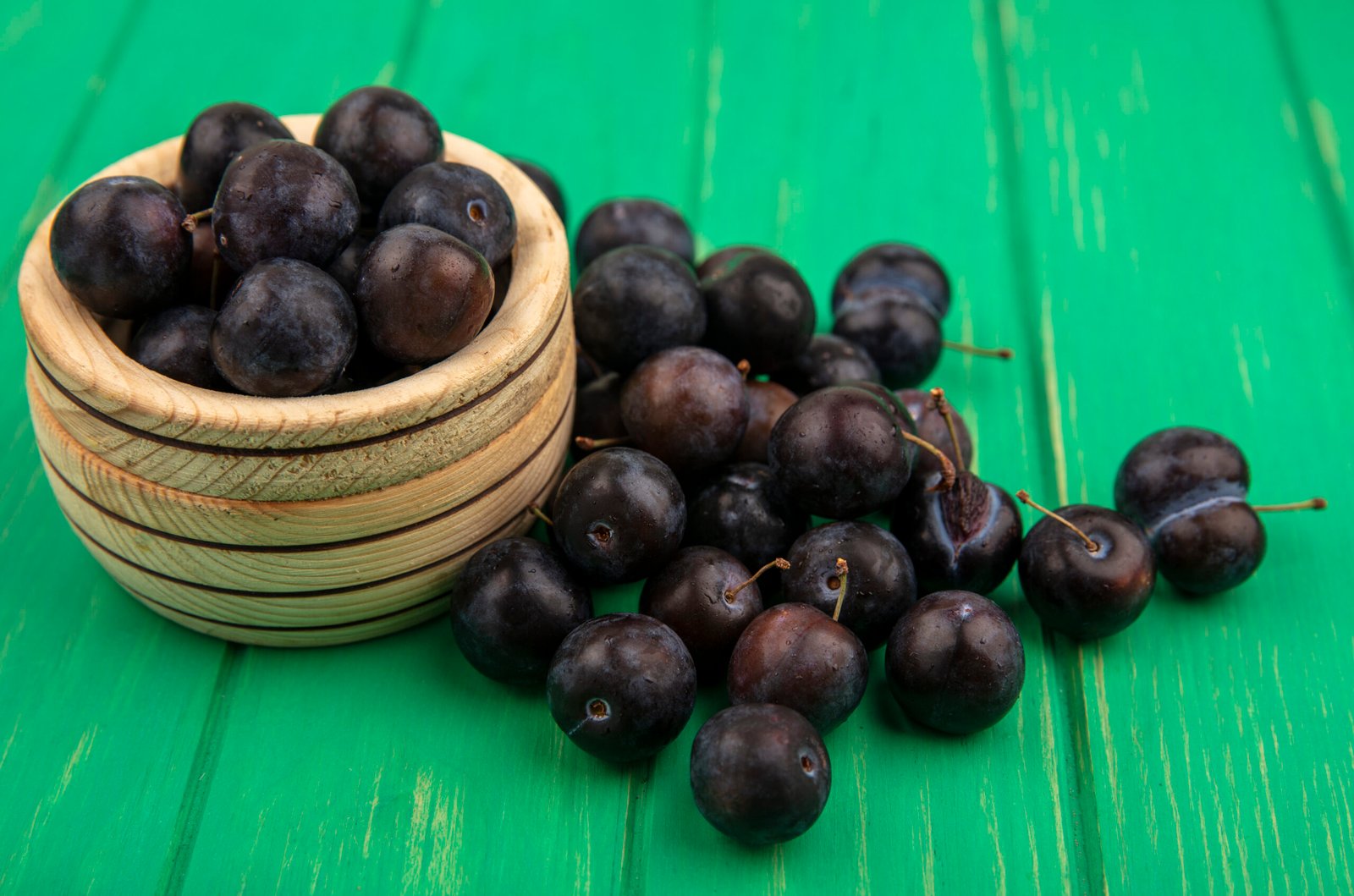
Jaboticaba is dark-purple fruit that grows directly on trunks and branches of trees native to Brazilian Atlantic Forest, fascinating cauliflorous growth habit.
Emerging evidence suggests anthocyanins, ellagitannins, and other bioactive compounds in jaboticaba may influence inflammatory pathways and gut microbiota, primarily in laboratory and animal studies and limited human trials.
Nutritional Profile And Bioactive Compounds In Jaboticaba
Jaboticaba includes Plinia cauliflora and related species native to South America, characterized by dark-purple peel and cauliflorous growth, meaning flowers and fruits develop directly on trunk and branches. Historically consumed fresh or fermented by local populations, this “Brazilian grape” increasingly investigated for pharmacological potential because of rich content polyphenols, including anthocyanins and ellagitannins.
Jaboticaba peel also contains dietary fiber, phenolic acids, flavonoids, and high-molecular-weight tannins, contributing to diverse bioactive profile and functional food development interest and research potential. Laboratory and animal studies report antioxidant activity in jaboticaba preparations, including reduced lipid peroxidation markers in some models, suggesting protective effects against oxidative stress.
Anthocyanins, particularly cyanidin-3-O-glucoside, may contribute, along with ellagitannins and other phenolics, supporting antioxidant enzyme activity and cellular defense mechanisms in experimental settings. Some animal studies also report changes in endogenous antioxidant enzymes, including superoxide dismutase (SOD) and catalase, indicating potential support for endogenous antioxidant defenses and redox balance.
Jaboticaba peel and seeds contain most of fruit phenolic compounds, while white pulp contains more sugars and lower phenolic concentrations, differences have encouraged research into whole-fruit processing and peel-derived extracts for functional food development. Researchers have investigated jaboticaba preparations for effects on gut microbiota, glucose metabolism, and endogenous antioxidant defenses, once ingested, parent compounds like ellagitannins exhibit low upper-gastrointestinal absorption and undergo hydrolysis, releasing ellagic acid. Unabsorbed compounds can reach colon, where gut bacteria convert ellagic acid into metabolites such as urolithins, metabolite production and absorption vary among individuals, influencing bioavailability and biological activity.
Potential Effects On Gut Health And Microbiome
South American folk medicine has used jaboticaba peel preparations for diarrhea and other gastrointestinal complaints, these traditional uses have not been established as effective clinical treatments and require scientific validation. Jaboticaba peel contains dietary fiber and polyphenols with potential prebiotic effects; however, evidence for improved gut health in humans remains limited and preliminary, requiring larger controlled human trials.
In rats with experimentally induced colitis, jaboticaba peel extract increased Bifidobacterium and Lactobacillus populations and improved some measures of intestinal inflammation, suggesting potential microbiome modulation and gut support. Animal studies also report increased concentrations of short-chain fatty acids (SCFAs), including acetate and butyrate, following jaboticaba supplementation, findings suggest possible link between microbial metabolism and intestinal effects, though they do not establish microbial gene regulation or systemic metabolic benefits in humans.
Jaboticaba And Metabolic Health
Emerging in vivo data suggest jaboticaba derivatives may influence insulin sensitivity and blood lipids in animal models, indicating potential metabolic benefits worth further exploration and clinical investigation. In one study, 36 rabbits were assigned to six groups, including normal-diet control, cholesterol-enriched diet group, and groups receiving cholesterol-enriched diet with jaboticaba peel phenolic extract or simvastatin, extract supplementation reduced liver fat accumulation and lipid peroxidation.
Placebo-controlled human trial, described in supplied FAPESP report, involved 49 adults with obesity and metabolic syndrome, taking 15 g of jaboticaba peel powder daily for five weeks improved postprandial glucose responses and reduced IL-6, inflammatory marker. These findings concern selected short-term markers, rather than established reductions in diabetes or cardiovascular disease risk, highlighting preliminary nature of human evidence and need for longer trials with clinical outcomes.
Anti-Inflammatory Effects And Chronic Disease Research
Low-grade chronic inflammation is key feature that contributes to development of cardiovascular disease (CVD), obesity, and type 2 diabetes (T2D), representing important target for dietary interventions and prevention strategies. In cell and animal studies, jaboticaba preparations have reduced activity or expression of components of nuclear factor kappa B (NF-κB) signaling pathway and lowered some pro-inflammatory cytokines like interleukin-1β (IL-1β), IL-6, and tumor necrosis factor-alpha (TNF-α).
Researchers have identified depside jaboticabin in jaboticaba and related species, with higher concentrations in peel than pulp or seeds, laboratory research suggests anti-inflammatory activity; however, evidence for treating chronic obstructive pulmonary disease (COPD) or other human diseases is insufficient. Three-week pilot trial in 27 hemodialysis patients tested jaboticaba peel formulation at 3.3 g/day against routine care, plasma IL-1β and IL-17E increased significantly in control group but not in supplemented group. Though promising, reported cytokine changes alone do not establish that supplementation worked better than routine care, and study did not demonstrate kidney or cardiovascular protection, requiring larger longer trials for clinical relevance.
How Is Jaboticaba Consumed?
Jaboticaba berries spoil rapidly after harvest, limiting fresh shelf life to few days under typical ambient conditions, encouraging development of processed forms and preservation methods. Typically, jaboticaba fruits are consumed fresh or made into juices, jams, and fermented products, traditional uses reflecting local culinary practices and seasonal availability.
Researchers have also developed freeze-dried powders and hydroethanolic extracts, though chosen preparation method affects phytochemical retention and bioactive compound stability and concentration. Steam extraction, for example, can transfer more peel and seed phenolics into juice than mechanical depulping, influencing nutritional profile and functional properties of final product.
High hydrostatic pressure has preserved or increased measured anthocyanin concentrations in some studies, while thermal pasteurization has produced variable results, these processes cannot be ranked universally without accounting for processing conditions and parameters. Resulting powders and extracts are investigated as ingredients in dairy products, baked goods, and dietary supplements, expanding potential applications for functional foods and nutraceuticals. Tolerability can also vary by preparation and dose, one acute study summarized in 2021 review reported diarrhea in 63% of participants after 20 g dose of peel-and-seed preparation.
Potential Effects On Gut Microbiota Inflammatory Signaling Metabolic Markers
Research on jaboticaba polyphenols and dietary fiber suggests potential effects on gut microbiota, inflammatory signaling, and metabolic markers, supporting interest in this Brazilian fruit as functional food candidate. Most mechanistic evidence comes from laboratory and animal studies, whose results cannot be assumed to apply directly to humans, highlighting need for cautious interpretation and further human investigation.
Small human trials provide preliminary evidence for changes in selected glucose and inflammatory markers, but do not establish jaboticaba as treatment for chronic non-communicable diseases.
Evaluate effects of fresh fruit, peel powders, and extracts separately; further study needed to determine effective doses, long-term safety, and clinical outcomes, ensuring evidence-based recommendations and consumer safety and efficacy.
Q&A
Q: What is jaboticaba Brazilian grape and where does dark-purple fruit grow directly on trunks and branches?
A: Jaboticaba includes Plinia cauliflora related species native South America dark-purple peel cauliflorous growth flowers fruits develop directly trunk branches Brazilian Atlantic Forest historically consumed fresh fermented local populations Brazilian grape rich polyphenols anthocyanins ellagitannins peel fiber phenolic acids flavonoids tannins.
Q: How does jaboticaba peel support gut microbiota Bifidobacterium Lactobacillus and short-chain fatty acids SCFA?
A: Peel contains dietary fiber polyphenols potential prebiotic effects evidence humans limited, rats experimentally induced colitis peel extract increased Bifidobacterium Lactobacillus populations improved measures intestinal inflammation animal studies increased acetate butyrate SCFAs possible link microbial metabolism intestinal effects not establish gene regulation systemic benefits humans.
Q: What did 49 adults obesity metabolic syndrome human trial show about jaboticaba peel powder glucose IL-6?
A: Placebo-controlled trial 49 adults obesity metabolic syndrome taking 15 g peel powder daily five weeks improved postprandial glucose responses reduced IL-6 inflammatory marker findings concern selected short-term markers rather than established reductions diabetes cardiovascular disease risk preliminary need longer trials clinical outcomes.
FAQ
Q: What bioactive compounds in jaboticaba contribute to antioxidant activity and endogenous antioxidant enzymes SOD catalase?
A: Laboratory animal studies report antioxidant activity reduced lipid peroxidation markers some models anthocyanins particularly cyanidin-3-O-glucoside may contribute along ellagitannins other phenolics changes endogenous antioxidant enzymes superoxide dismutase SOD catalase peel seeds contain most phenolic compounds white pulp more sugars lower phenolics encouraging whole-fruit processing.
Q: How is jaboticaba consumed and what affects phytochemical retention in freeze-dried powders hydroethanolic extracts juices?
A: Berries spoil rapidly few days ambient typically consumed fresh juices jams fermented products researchers developed freeze-dried powders hydroethanolic extracts preparation method affects retention steam extraction transfers more peel seed phenolics than mechanical depulping high hydrostatic pressure preserved increased anthocyanin some studies thermal pasteurization variable results cannot ranked universally.
Q: What did 27 hemodialysis patients pilot trial show about IL-1β IL-17E and jaboticaba peel formulation?
A: Three-week pilot trial 27 hemodialysis patients tested peel formulation 3.3 g/day against routine care plasma IL-1β IL-17E increased significantly control group not supplemented group though promising cytokine changes alone do not establish worked better routine care did not demonstrate kidney cardiovascular protection requiring larger longer trials.
Q: Are traditional South American folk medicine uses of jaboticaba peel for diarrhea established clinical treatments?
A: South American folk medicine used peel preparations diarrhea other gastrointestinal complaints traditional uses not established effective clinical treatments peel contains dietary fiber polyphenols potential prebiotic effects evidence improved gut health humans remains limited requiring scientific validation larger controlled human trials establishing efficacy safety and dosing.
Q: Is 20 g peel-and-seed jaboticaba preparation safe and what about diarrhea side effects reported in acute study?
A: Tolerability varies preparation dose one acute study 2021 review reported diarrhea 63% participants after 20 g dose peel-and-seed preparation finding should not generalized fresh fruit all products but shows concentrated preparations require separate safety assessment dose consideration fresh fruit few days shelf life juices jams fermented.
Disclaimer: This article provides educational information about jaboticaba Brazilian fruit, Plinia cauliflora, anthocyanins ellagitannins cyanidin-3-O-glucoside, gut microbiota, metabolic health, inflammatory pathways, and does not constitute professional medical, nutritional, or therapeutic advice, diagnosis, or treatment recommendation.