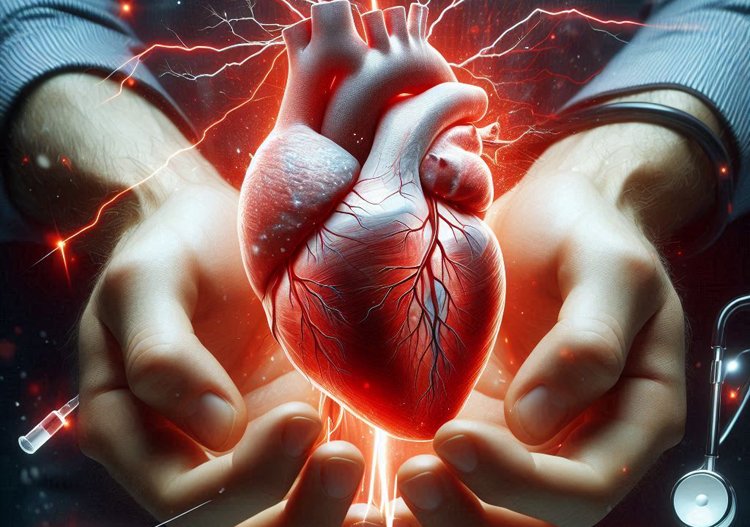
A striking new study links energy drinks and stimulant supplements to disproportionately frequent reports of serious cardiovascular emergencies including cardiac arrest and heart attacks. Researchers at the University of Virginia carefully analyzed thousands of FDA safety reports and discovered alarming patterns involving caffeinated products and dangerous heart-related events.
Furthermore, young adults between eighteen and thirty-four accounted for nearly half of all cardiovascular reports involving these widely available stimulant-containing consumer products.
Key Facts From The Research
The energy drink industry generated over twenty billion dollars in sales during 2024 as global consumption rates continued climbing steadily among younger demographics. Importantly, certain energy drinks deliver up to three times more caffeine per fluid ounce than standard brewed coffee according to product analyses.
Furthermore, the American Heart Association states that most adults can safely consume up to four hundred milligrams of caffeine per day. Nevertheless, some pre-workout supplements contain more than twelve times the caffeine concentration found in regular brewed coffee, raising serious safety concerns.
Analysis Of The Alarming Findings
The research team examined twenty-eight thousand three hundred forty-five adverse event reports submitted to the FDA safety database between 2017 and 2025. Moreover, products containing caffeine and stimulants appeared eleven times more frequently in cardiac arrest reports than comparable products without these potentially dangerous ingredients.
Additionally, heart attack reports surfaced approximately four and a half times more often in connection with energy drinks and stimulant supplement products.
However, researchers emphasize that these findings describe reporting frequencies rather than actual individual risk levels for consumers who regularly drink energy drinks. Consequently, the study cannot prove direct causation because voluntary reporting systems lack complete data about total consumers and unreported adverse health events.
Q&A Section
Q: Do energy drinks actually cause heart attacks and cardiac arrest according to the findings presented at the American Heart Association Scientific Sessions?
A: The study reveals strong associations in FDA reports but cannot prove direct causation because voluntary reporting systems contain significant inherent data limitations.
Q: Why do young adults between eighteen and thirty-four appear disproportionately affected by cardiovascular emergencies linked to energy drinks and stimulant supplements?
A: Younger consumers likely use these products more frequently and may combine them with intense exercise or alcohol, amplifying potential cardiovascular risks considerably.
Q: How do caffeine concentrations in energy drinks compare to regular brewed coffee and what does this mean for daily consumption safety limits?
A: Energy drinks contain up to three times more caffeine per ounce than coffee, making it dangerously easy to exceed recommended daily limits.
Frequently Asked Questions
1. What specific cardiovascular events appeared most frequently in FDA safety reports involving energy drinks and stimulant-containing dietary supplement products?
Cardiac arrest reports appeared eleven times more often while heart attack reports surfaced four and a half times more frequently with stimulant products.
2. How many adverse event reports did researchers analyze to identify the connection between energy drinks and serious cardiovascular health emergencies?
The research team carefully reviewed twenty-eight thousand three hundred forty-five FDA reports submitted between 2017 and 2025 to identify these alarming patterns.
3. What percentage of cardiovascular event reports involving caffeine and stimulant products concerned young adults between the ages of eighteen and thirty-four?
Approximately forty-five percent of all cardiovascular event reports involving caffeinated stimulant products concerned younger adults between eighteen and thirty-four years of age.
4. Why does the FDA regulate energy drinks differently from medications and what impact does this have on consumer safety protections?
The FDA classifies energy drinks as foods or dietary supplements, so manufacturers avoid the rigorous safety testing requirements that medications must meet.
5. What do medical experts recommend for people who regularly consume energy drinks and experience symptoms like chest pain or heart palpitations?
Healthcare professionals should ask younger patients about energy drink consumption when they report palpitations, chest pain, or unexplained fainting spells during evaluations.
Conclusion
In summary, this alarming research clearly highlights a strong association between energy drink consumption and disproportionately frequent reports of serious cardiovascular emergencies worldwide.
Therefore, consumers should carefully monitor their daily caffeine intake and consult healthcare professionals before regularly consuming high-stimulant energy drinks or dietary supplements.Ultimately, more rigorous safety monitoring and comprehensive research will help determine whether these popular products directly contribute to dangerous heart problems.
Disclaimer; This article provides general informational content only and does not constitute professional medical advice or a substitute for qualified healthcare consultation. Always consult your personal physician.