
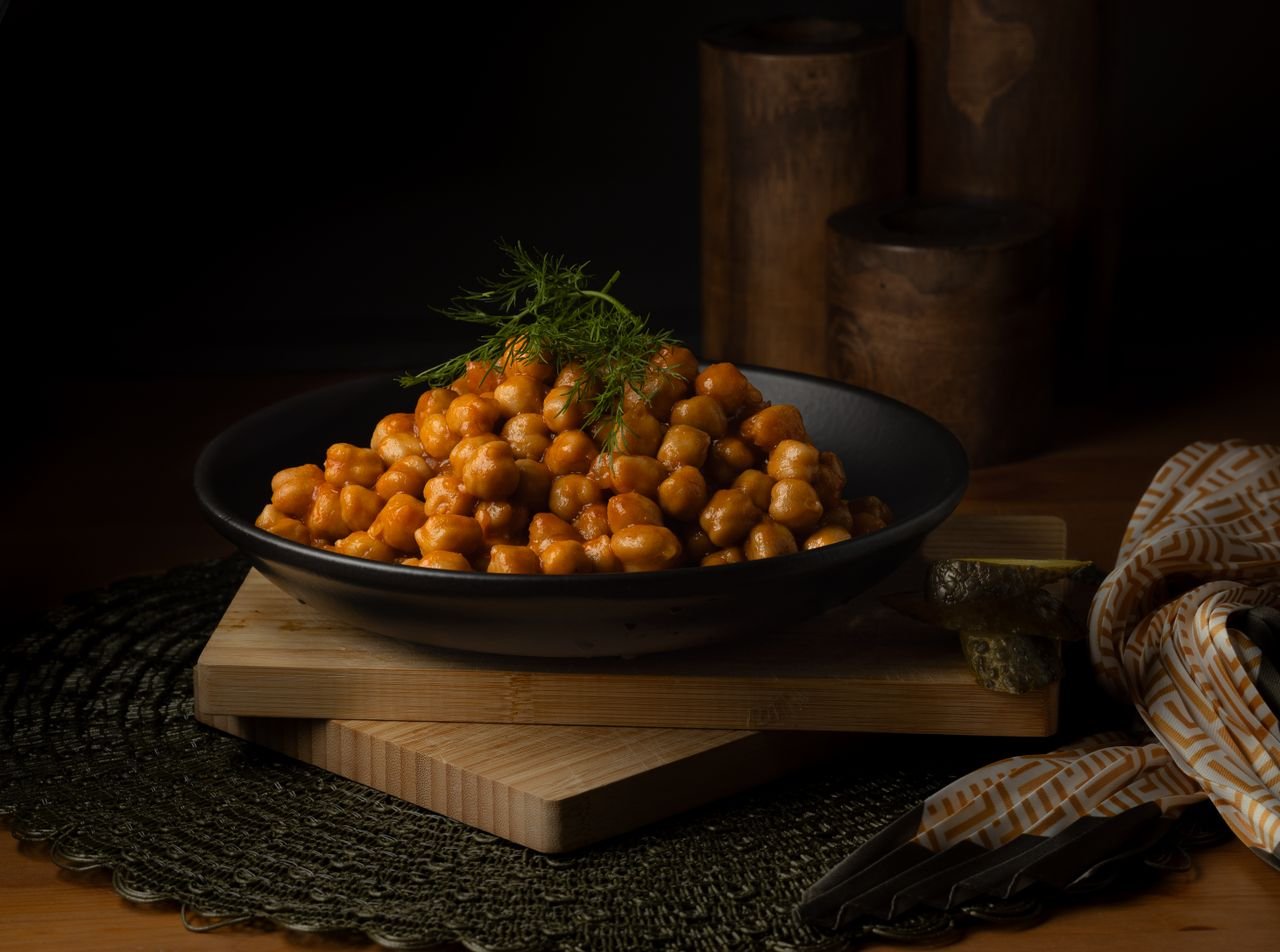
Vegetarians seeking higher protein often debate chickpeas versus paneer, two popular nutritious versatile options packed with essential nutrients for daily health goals today.
Which option delivers more protein per serving, and which choice better aligns with specific fitness goals, weight management, and overall wellness needs today? Protein content comparison clearly shows paneer leading race with nearly double protein concentration compared to cooked chickpeas per hundred grams serving size today.
Hundred grams paneer provides eighteen to twenty-one grams protein, while hundred grams cooked chickpeas offer seven to nine grams protein approximately daily today. Therefore, paneer offers more efficient protein delivery for muscle gain, strength training, and rapid recovery after intense workouts for active individuals seeking growth.
Nutritional Breakdown Beyond Protein
However, total protein alone does not determine overall healthiness, since calories, fat, fiber, and micronutrients significantly influence long-term wellness outcomes daily for everyone.
Paneer contains approximately two hundred sixty-five calories, twenty grams fat, minimal carbohydrates, plus abundant calcium, vitamin B12, and healthy fats overall for health.
Chickpeas contain roughly one hundred sixty-four calories, twenty-seven grams carbohydrates, seven grams fiber, plus iron, folate, magnesium, and antioxidants naturally for daily wellness. Furthermore, chickpeas provide plant-based fiber that supports digestion, promotes satiety, stabilizes blood sugar, and actively supports heart health for vegetarians daily worldwide today.
Meanwhile, paneer delivers high-quality casein protein that digests slowly, sustains muscle synthesis overnight, and strengthens bones through rich calcium content daily for everyone.
Pros and Cons You Must Know
Pros of paneer include high protein density, low carbohydrate load, excellent bone support, and satisfying taste that enhances many Indian dishes deliciously today.
Cons of paneer include high calorie count, significant saturated fat, unsuitability for vegans, and potential digestive issues for lactose-intolerant individuals worldwide daily today.
Pros of chickpeas include vegan-friendly composition, high fiber content, heart-healthy nutrients, affordability, and ability to keep you fuller longer naturally daily for everyone.
Cons of chickpeas include lower protein per gram, higher carbohydrate load, potential bloating from fiber, and longer cooking time required for preparation daily.
So which option should you choose for muscle building, weight loss, vegan lifestyle, or balanced everyday nutrition according to experts and recent research?
Q&A – Quick Answers
Which protein source supports muscle gain more effectively for vegetarians performing regular strength training and high-intensity workout sessions daily for better results today?
Paneer supports muscle gain efficiently due to higher protein concentration and slow-digesting casein, which sustains amino acid delivery overnight for recovery and growth.
Which option better supports weight loss, appetite control, and heart health for individuals following plant-based diets and seeking sustainable results long-term today worldwide?
Chickpeas better support weight loss and heart health because fiber promotes fullness, reduces cholesterol, stabilizes glucose, and provides fewer calories per serving daily.
FAQ – Most Asked Questions
Can you combine chickpeas and paneer together in same meal to balance protein intake, fiber, healthy fats, and essential micronutrients effectively daily today?
Yes, combining both foods creates balanced meal offering complete amino acids, fiber, calcium, and healthy fats, supporting muscle growth and digestive wellness daily.
Is chickpea protein complete for muscle building, or does it lack essential amino acids required for optimal vegetarian nutrition and recovery after workouts?
Chickpea protein lacks some essential amino acids individually, but pairing with grains like rice or quinoa creates protein profile for muscle maintenance daily.
Final Analysis: Which Is Better?
Analysis shows paneer wins for pure protein efficiency, while chickpeas win for fiber, heart health, affordability, and vegan suitability across diverse dietary preferences.
Therefore, active individuals seeking muscle gain may prioritize paneer, while those seeking weight management and heart health may prefer chickpeas daily for wellness.
Disclaimer: This article provides nutrition information for educational purposes only and does not replace personalized dietary advice from qualified healthcare professionals or registered dietitians. Consult your doctor or dietitian before making dietary changes, especially if you have allergies, lactose intolerance, diabetes, or kidney-related health conditions requiring supervision.