
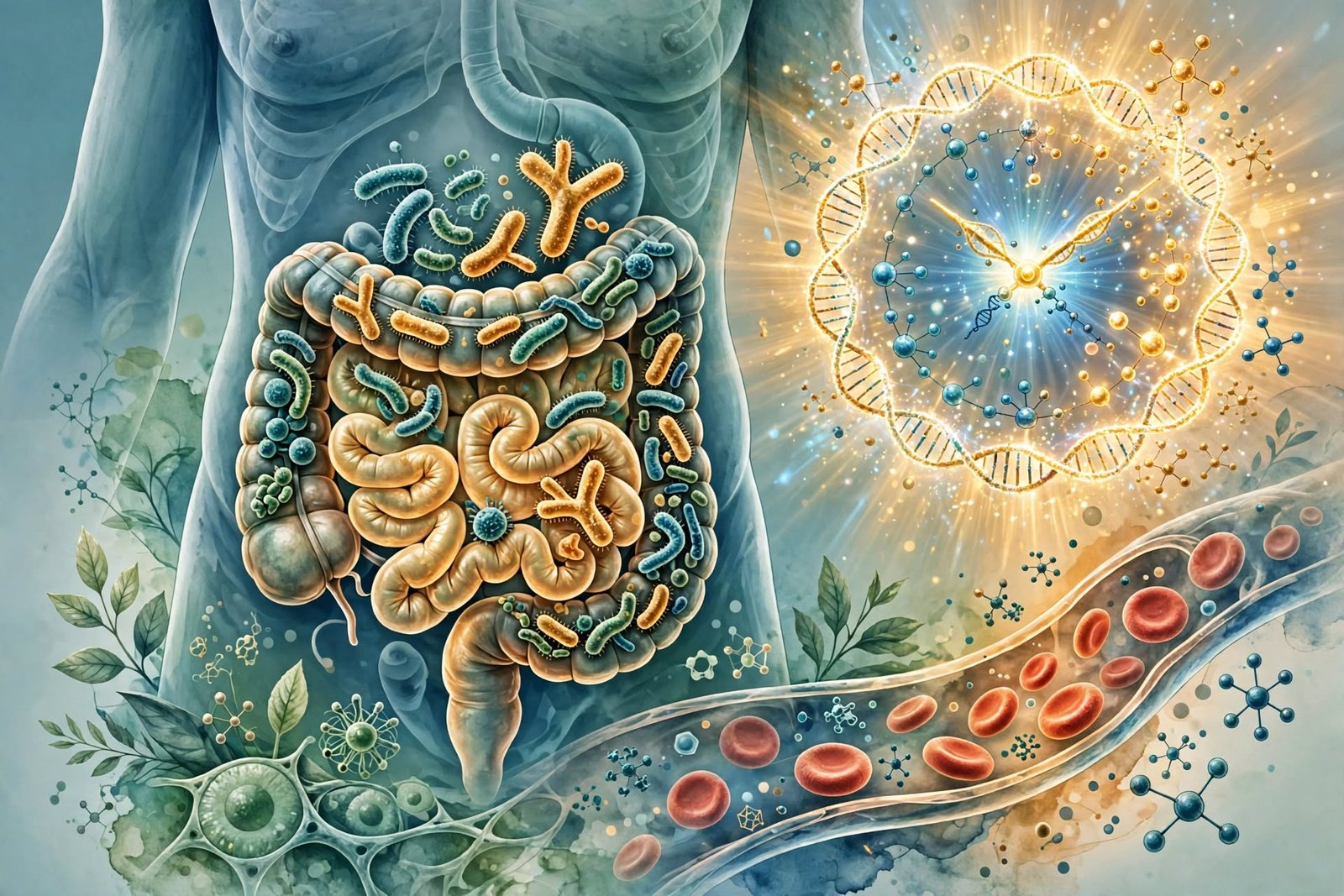
Scientists have uncovered a surprising connection between the bacteria living in the human gut and the speed at which the body ages. Researchers at the University of Hawaiʻi at Mānoa found that certain gut microbes are associated with slower biological aging, while others are linked to faster aging.
The study, published in Scientific Reports, found that differences in gut bacterial communities accounted for approximately 15% of the variation in participants’ biological aging rates. The results suggest that the gut microbiome — the vast community of microorganisms living in the digestive system — may provide valuable clues about aging at the molecular level. “This study advances our understanding of the relationship between the gut microbiome and biological aging. We found that microbial patterns in the gut were significantly associated with molecular measures of aging, even independent of chronological age,” said senior author Alika K. Maunakea of the UH Mānoa John A. Burns School of Medicine.
Scientists Identify Gut Bacteria Linked to Faster and Slower Aging
To investigate the relationship, researchers examined stool and blood samples from 123 adults across a wide range of ages. They identified the bacteria present in each participant’s gut and compared those findings with blood-based molecular markers used to estimate the body’s rate of aging. These biological measurements differ from chronological age, which simply reflects how many years someone has been alive. Instead, they assess how quickly aging-related changes are occurring inside the body.
The team found a notable association between gut microbiome composition and DunedinPACE, an advanced biomarker that measures the pace of biological aging.
Some bacterial species stood out:
Linked to Slower Aging: Bifidobacterium adolescentis was among the microbes most strongly associated with slower biological aging.
Linked to Faster Aging: Succinivibrio dextrinosolvens showed one of the strongest associations with faster aging.
These differences suggest that particular patterns of gut bacteria may offer important information about how rapidly the body is aging.
How Diet, Lifestyle, and Environment Influence Gut Health
Lead author Braden P. Kunihiro said the discovery adds to growing evidence that the gut microbiome could play an important role in precision health research, which aims to understand individual differences in health and disease. Unlike chronological age, the gut microbiome can change in response to everyday influences, including diet, lifestyle, and environmental conditions. This makes it a promising target for healthy aging research.
“The gut microbiome is highly responsive to lifestyle, diet, environment and other everyday exposures. Our findings suggest that the microbiome may reflect important aspects of biological resilience and aging in ways that could eventually help inform future wellness and healthy aging strategies,” Kunihiro said.
The research also included Native Hawaiian and Pacific Islander participants, groups historically underrepresented in aging and microbiome studies. “The microbiome exists at the intersection of behavior, environment and human biology. Studies like this help illuminate potential pathways through which lived experiences and social factors influence long-term health outcomes,” said co-author Ruben Juarez.
Could Changing Gut Bacteria Influence How We Age?
Although the findings reveal a meaningful relationship, researchers stress that the study does not establish cause and effect. Finding certain microbes in people who age more slowly does not necessarily mean those bacteria slow aging.
Further studies are needed to determine whether deliberately changing the gut microbiome can influence biological aging or improve long-term health.
“This is an important early step toward understanding the gut microbiome’s relationship with healthy aging. Future research will help clarify the mechanisms involved and whether these microbial signatures may eventually contribute to precision approaches for promoting long-term health and wellness,” Maunakea said.
Q&A
Q: Does having good gut bacteria make you age slower?
A: The study found an association, not causation. People with more Bifidobacterium adolescentis tended to have slower biological aging on the DunedinPACE clock, but it does not prove the bacteria causes slower aging.
Q: How much of aging is linked to gut bacteria?
A: In this cohort of 123 adults, differences in gut bacterial communities explained about 15% of the variation in biological aging pace.
Q: What is DunedinPACE?
A: DunedinPACE is an advanced blood-based biomarker that measures the pace of biological aging — how fast aging-related changes are happening in the body — rather than just counting chronological years.
Q: Can diet change gut bacteria to slow aging?
A: The microbiome is highly responsive to diet, lifestyle, and environment, which makes it interesting for future wellness strategies. However, the study does not yet show that changing it will slow aging.
FAQ
1. Where was the study published?
In Scientific Reports, led by researchers from the University of Hawaiʻi at Mānoa John A. Burns School of Medicine, senior author Alika K. Maunakea and lead author Braden P. Kunihiro.
2. Who was studied?
123 adults across a wide age range, including Native Hawaiian and Pacific Islander participants, with both stool and blood samples analyzed.
3. Which bacteria were most notable?
Bifidobacterium adolescentis linked to slower aging, and Succinivibrio dextrinosolvens linked to faster aging, based on DunedinPACE measurements.
4. Does this mean probiotics can slow aging?
No. Researchers emphasize this is an early observational step. It does not prove probiotics, prebiotics, or other interventions will change biological aging.
5. Why include Native Hawaiian and Pacific Islander groups?
To address historical underrepresentation and to explore how lived experiences, social circumstances, and environmental conditions affect long-term health through the microbiome.
Disclaimer: This article is for informational purposes only and summarizes observational research published in Scientific Reports. It does not constitute medical advice. The gut microbiome is influenced by many factors, and the study does not prove that changing gut bacteria slows aging. Consult a qualified healthcare professional before making changes to diet, supplements, or wellness practices.