
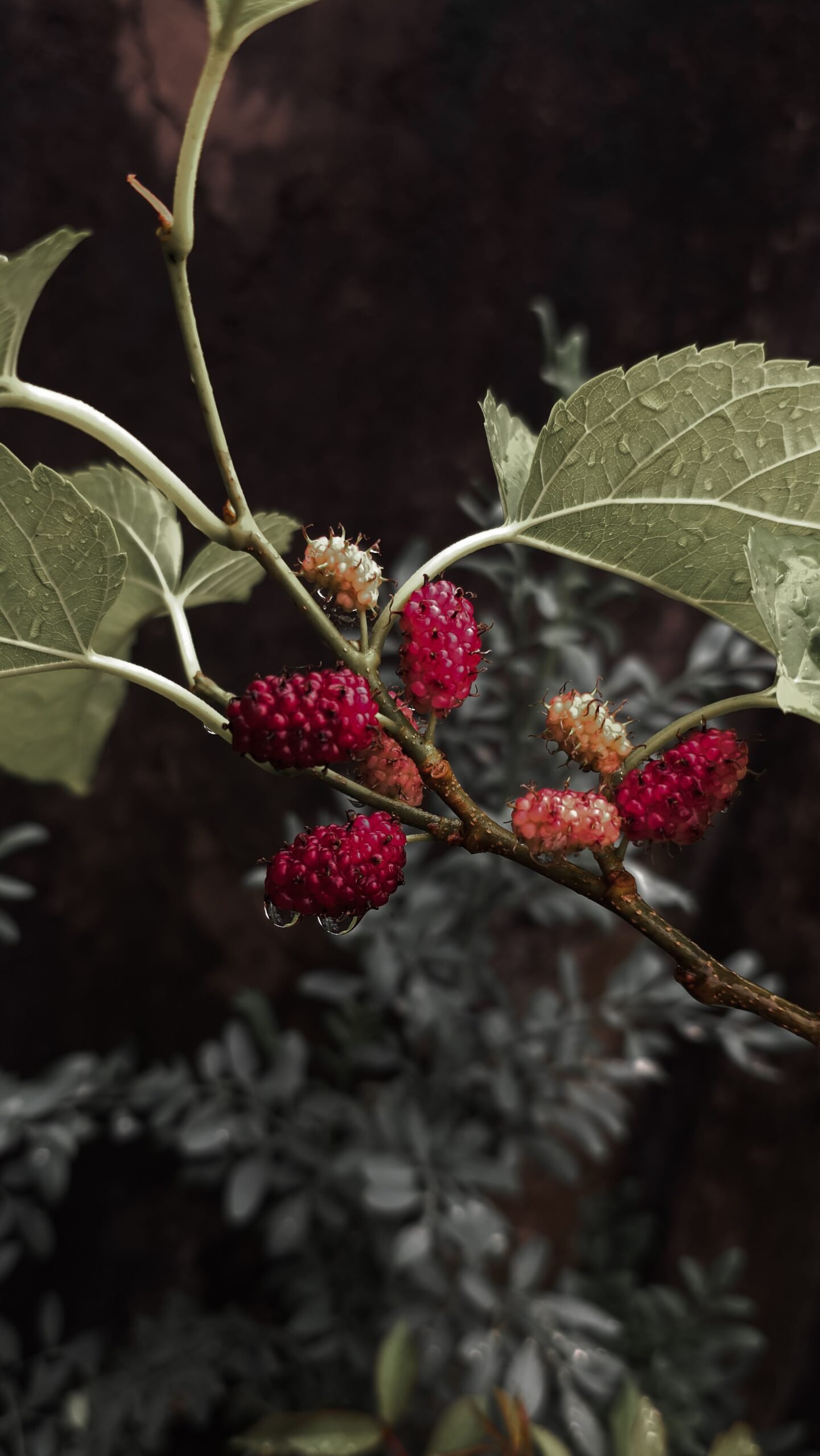
Researchers are examining whether bioactive compounds in mulberry can alter gut microbiota in ways that influence glucose regulation, fat metabolism, and intestinal health.
Review involving scientists from Wroclaw Medical University found encouraging evidence from laboratory and animal studies, although research in humans remains limited. Findings suggest careful formulation matters more than generic supplement.
Why Mulberry Preparations Differ So Much
Gut microbiota helps digest food, maintain intestinal environment, and produce substances that can affect rest of body. Anna Prescha, PhD, DSc, professor in Department of Dietetics and Bromatology at Wroclaw Medical University, says mulberry is especially interesting because it contains polyphenols and polysaccharides that may interact with these microorganisms.
Most research has examined white mulberry, Morus alba, but black mulberry, Morus nigra, particularly its fruit, has also shown potential.
Mulberry leaves contain polyphenols, polysaccharides, and 1-deoxynojirimycin, DNJ, which is known to influence carbohydrate metabolism. Black mulberry fruit supplies abundant anthocyanins and other phenolic compounds, as well as polysaccharides.
Final product depends heavily on how plant material is handled. Drying, fermentation, and extraction can change both quantity and balance of its active compounds.
Two preparations made from same leaves or fruit may therefore have different compositions and produce different biological responses. Therefore, standardization is critical.
Gut Bacteria Turn Mulberry Into Beneficial Metabolites
Studies reviewed by researchers suggest preparations made from mulberry leaves and fruit can alter abundance and activity of certain gut bacteria. Some experiments reported increases in beneficial microbes and greater production of acetate, propionate, and butyrate. These short-chain fatty acids are created when gut bacteria ferment dietary material. They help support intestinal lining and contribute to chemical communication connecting gut with metabolism elsewhere in body.
Several studies linked mulberry-related microbial changes with improvements in measures of glucose and lipid metabolism. Effects, however, varied considerably among preparations. Polysaccharides extracted from black mulberry fruit differed in structure and in how effectively gut microbes used them. Fractions obtained through water extraction and treatment with pectate lyase displayed greatest prebiotic potential.
Structure Shapes Microbial Response – Not All Extracts Equal
Leaf polysaccharides showed same sensitivity to chemical structure. Features such as molecular weight and monosaccharide composition appeared to influence which bacteria could consume them and which short-chain fatty acids those microbes produced. This helps explain why simply listing compounds in product may not be enough to predict its effects. Chemical structure determines bacterial usage and metabolite output.
Some of the strongest results came from mixtures rather than isolated components. In mice fed high-fat diet, white mulberry fruit fraction containing both polyphenols and polysaccharides produced more favorable changes in gut microbiota than either fraction given separately.
Combined treatment also improved some indicators of metabolic syndrome and intestinal health. Therefore, synergy between compounds may be key mechanism. Researchers then transferred microbiota from mice treated with combined fraction into other animals. Recipient mice also experienced improvements in certain metabolic disturbances, strengthening possibility that altered microbial community helped transmit some of treatment’s effects.
Finding Right Mulberry Formula For Specific Purpose
Findings suggest mulberry’s biological activity may emerge from interactions among multiple compounds rather than from one dominant ingredient. Prescha emphasizes researchers must consider species, plant part, chemical proportions, and processing method when trying to produce specific effect.
Universal mulberry supplement is therefore less realistic than carefully designed preparations intended for particular purposes. Careful design matters for glucose control versus gut health.
Review began with Nutri-Sfera Student Research Group in Department of Dietetics and Bromatology at Wroclaw Medical University. Topic was proposed by two students who have since graduated: Marta Miszczak from Dietetics program and Karolina Kłosowska-Buryło from Pharmacy program.
Their involvement brought nutritional and pharmaceutical perspectives together, allowing team to examine mulberry as both complex plant material and possible influence on microbiota and metabolism.
Analysis: Human Evidence Is Still Missing
Despite encouraging results, most evidence comes from animal models and in vitro experiments. Human studies directly measuring how mulberry preparations affect gut microbiota remain scarce.
Comparisons are also difficult because relatively few studies provide detailed chemical analysis of products they test. Therefore, claims cannot be directly extrapolated to people yet.
Prescha cautions researchers cannot yet assume relationships observed among mulberry, gut microbes, and metabolism will work same way in people. Changes found in mice or laboratory cultures may not translate into meaningful human health benefits.
Clinical trials will need to test standardized preparations whose chemical composition has been thoroughly documented. These studies could determine which mulberry products alter human gut microbiota, how large and consistent changes are, and whether they lead to measurable improvements in metabolic or intestinal health.
Q&A
Q: Does mulberry improve gut bacteria and metabolism?
A: Wroclaw review finds mulberry polyphenols and polysaccharides increase beneficial bacteria and short-chain fatty acids acetate, propionate, butyrate linked to better glucose and lipid metabolism in animal studies.
Q: Which mulberry is best for gut health white or black?
A: White mulberry Morus alba most studied, but black mulberry Morus nigra fruit rich in anthocyanins also shows strong prebiotic potential; effect depends on extraction method.
Q: Is mulberry supplement proven in humans?
A: No, most evidence from lab and animal studies; human studies measuring gut microbiota changes remain scarce and need standardized formulations.
FAQ
1. Who led mulberry gut microbiota review?
Review led by Anna Prescha PhD DSc at Wroclaw Medical University Department of Dietetics and Bromatology with Nutri-Sfera Student Research Group.
2. How does mulberry affect short-chain fatty acids?
Gut bacteria ferment mulberry polysaccharides into acetate, propionate, butyrate that support intestinal lining and gut-metabolism communication.
3. Why do mulberry preparations differ?
Drying, fermentation, extraction change quantity and balance of DNJ, polyphenols, anthocyanins, polysaccharides; molecular weight influences bacterial use.
4. What was strongest result in mice?
White mulberry fruit fraction containing both polyphenols and polysaccharides outperformed single fractions and fecal transplant from treated mice improved metabolism in recipients.
5. What is 1-deoxynojirimycin DNJ in mulberry?
DNJ is compound in mulberry leaves known to influence carbohydrate metabolism and may work together with polysaccharides for metabolic benefits.
Disclaimer: This article is for informational purposes only and does not constitute medical advice.