
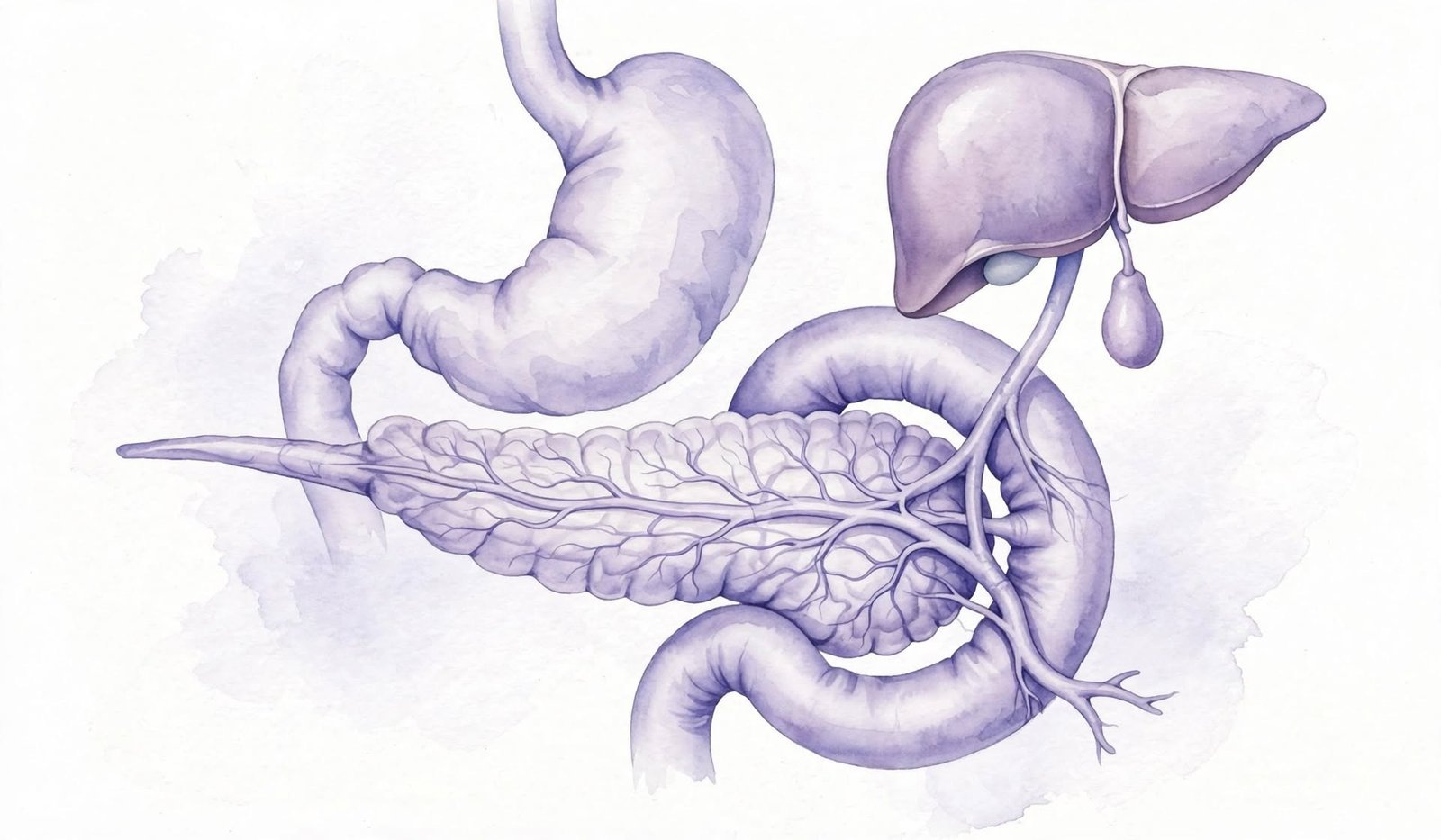
Pancreatic cancer is often labelled silent killer for reason, it grows quietly, spreads quickly, and frequently shows symptoms only when it’s already advanced. But new medical observations reveal something surprising. Some of earliest signs may appear in legs, long before abdominal pain or jaundice appear. Although abdominal discomfort, yellowing of skin, nausea, and weight loss are well-known warning signs, experts now highlight leg symptoms as early clues.
Leg pain, swelling, redness, or unusual warmth might act as early clues linked to deep vein thrombosis, DVT, condition often associated with pancreatic cancer. With pancreatic cancer responsible for over million deaths globally every year, recognising subtle, early-stage symptoms has never been more important.
What Does Leg Pain Mean In Early Pancreatic Cancer?
Persistent or unexplained leg pain is one of most overlooked early indicators. This discomfort often arises from deep vein thrombosis, DVT, blood clot forming in deep vein, usually in leg.
American Cancer Society notes cancers such as pancreatic cancer can alter body’s clotting mechanisms, making clots more likely. When clot develops, it can block blood flow and cause pain, tightness, or heaviness in affected leg.
Unexplained leg pain should always be evaluated promptly, as it may also signal inflammation, restricted circulation, or nerve pressure linked to tumour activity. Therefore, pain without injury deserves urgent attention.
Sudden Leg Swelling: Why It Could Be More Than Water Retention
Unexplained swelling in one or both legs, especially if appears suddenly, may be linked to circulatory changes triggered by pancreatic cancer.
Swelling may occur when blood clot blocks blood flow, or growing tumour compresses major blood vessels in abdomen or pelvis.
Swelling that comes with pain, warmth, or redness should be treated as urgent. Early diagnosis can help prevent complications such as pulmonary embolism and may lead to earlier cancer detection. Consequently, sudden unilateral swelling is red flag that needs imaging.
Redness In Leg: Subtle Yet Important Red Flag
Reddish or warm patch on leg can be sign of inflammation or infection, but in context of DVT, it often means increased blood flow around clot. People may also notice tenderness, mild swelling, and feeling of tightness over affected area. Since pancreatic cancer can increase clot formation, symptom should never be ignored.
Recognising it early gives doctors chance to detect clotting disorders that may relate to undiagnosed cancer. Therefore, persistent red patch without injury warrants medical check.
Warmth In Legs: Why Early Sign Shouldn’t Be Ignored
Persistent warm sensation in leg, especially over swollen or painful spot, often means inflammation or active clot. In some pancreatic cancer cases, warmth appears even before digestive symptoms begin.
When warmth is combined with redness, swelling, and pain or tenderness, it becomes strong indicator of DVT and warrants immediate medical attention. This combination is classic triad for deep vein thrombosis.
Why Do These Leg Symptoms Matter So Much For Survival?
Leg symptoms may seem harmless, but in pancreatic cancer, they can act as silent early alarms. Since pancreatic cancer is often diagnosed only after spreading, noticing early circulatory issues may lead to faster diagnosis.
Early recognition offers better treatment options and improved survival chances. Any unexplained leg pain, swelling, redness, or warmth, especially without injury, should be checked by doctor promptly.
Other Early Symptoms Of Pancreatic Cancer People Often Overlook
While leg-related issues are emerging early clues, traditional symptoms remain equally important. Watch out for these additional warnings.
1. Abdominal or Back Pain
Persistent ache in upper abdomen or back that slowly worsens, especially after eating, may indicate pancreatic irritation or tumour pressure on nearby nerves.
2. Jaundice
Yellow skin or eyes, dark urine, and pale stools suggest bile duct blockage, common effect of tumours pressing against liver or ducts.
3. Unexplained Weight Loss & Appetite Loss
Sudden, unintentional weight loss occurs as cancer alters digestion and metabolism. Fatigue and weakness often follow due to poor nutrient absorption.
4. Nausea and Vomiting
When tumour affects digestion or partially blocks stomach’s outlet, patients may experience nausea, bloating, or vomiting after meals.
Why Awareness Saves Lives In Pancreatic Cancer
Pancreatic cancer remains one of deadliest cancers because most cases are detected late when curative surgery is no longer possible. Early recognition, even of subtle symptoms in legs, can change that outcome. If you or someone you know experiences persistent leg pain, sudden swelling, redness, unusual warmth, along with fatigue, abdominal discomfort, or weight loss, seek immediate medical evaluation.
Early DVT workup may uncover hidden cancer and allow earlier intervention, which is critical for survival.
Q&A
Q: Can leg pain be early sign of pancreatic cancer?
A: Yes, unexplained persistent leg pain may indicate deep vein thrombosis DVT caused by altered clotting from pancreatic cancer, often before abdominal pain or jaundice.
Q: Why does pancreatic cancer cause blood clots in legs?
A: American Cancer Society notes pancreatic cancer alters body’s clotting mechanisms, making blood clots more likely to form in deep leg veins.
Q: What leg symptoms should prompt doctor visit for cancer screening?
A: Sudden swelling, pain, redness, warmth, tenderness or tightness in one leg without injury, especially with weight loss, jaundice, or abdominal pain.
FAQ
1. How common is pancreatic cancer globally?
Pancreatic cancer causes over million deaths globally every year and is often called silent killer due to late diagnosis.
2. Is leg swelling linked to pancreatic cancer?
Yes, swelling may occur when blood clot blocks flow or tumour compresses major vessels; swelling with pain, warmth, redness is urgent.
3. Does DVT always mean pancreatic cancer?
No, DVT has many causes including inactivity, surgery, and other cancers, but pancreatic cancer has particularly strong association with clotting.
4. What other early symptoms of pancreatic cancer are overlooked?
Upper abdominal or back pain worsening after eating, jaundice, unexplained weight loss, appetite loss, nausea, vomiting, and fatigue.
5. When should leg redness and warmth be treated as emergency?
When combined with swelling and pain, it may indicate DVT with risk of pulmonary embolism; seek immediate medical attention for evaluation.
Disclaimer: This article is for informational purposes only and does not constitute medical advice. Always seek immediate medical attention for sudden leg swelling, pain, redness, or warmth, especially if accompanied by chest pain, shortness of breath, jaundice, abdominal pain, or unexplained weight loss, as DVT and pulmonary embolism can be life-threatening