
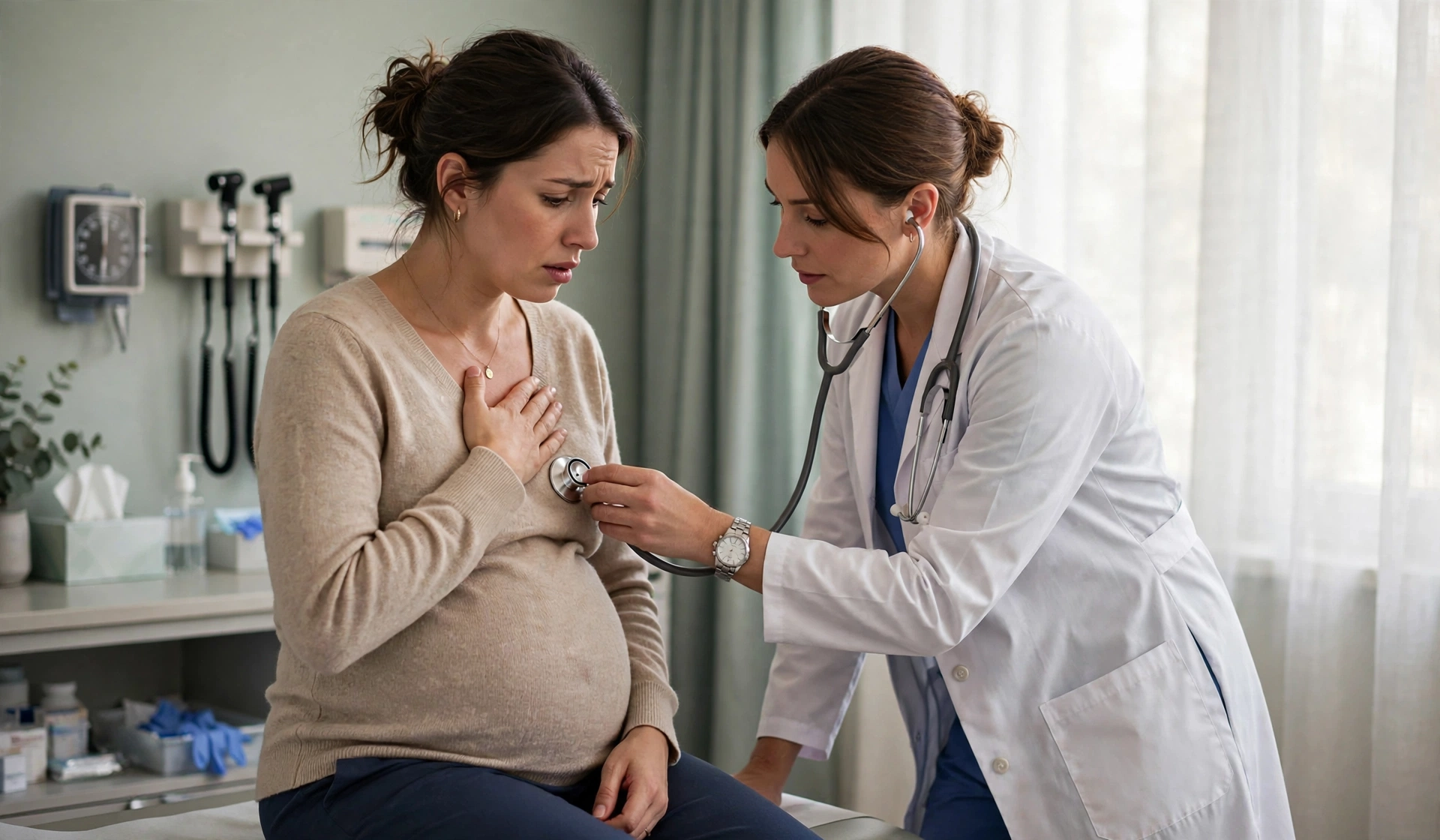
Heart issues now rank as leading cause of pregnancy-related deaths in United States, according to new 20-year national surveillance analysis released safely.
Furthermore, researchers analyzed 14310 pregnancy-related deaths from CDC Pregnancy Mortality Surveillance System covering United States from 2005 to 2024 period safely effectively globally.
Methodology: How CDC Classified 14,310 Deaths
Methodology classified deaths into nine categories including hemorrhage, infection, embolism, hypertensive disorders, stroke, anesthesia, cardiovascular, and other medical conditions safely effectively globally significantly recently.
In 2020, COVID-19 was added to infection or sepsis category, reflecting pandemic impact on maternal health surveillance and mortality classification systems safely effectively. Consequently, sustained surveillance helps align research, quality improvement initiatives, and public health efforts to prevent leading and emerging causes of maternal death safely effectively.
Prevention: What Healthcare Systems Must Do Next
What can healthcare systems do to reduce cardiovascular deaths among pregnant and postpartum individuals effectively and equitably across United States safely effectively globally significantly.
First, implement early cardiovascular screening, blood pressure monitoring, and risk assessment during prenatal visits, especially for individuals with preexisting heart conditions or obesity safely.
Second, improve emergency response for hemorrhage and sepsis through simulation training, standardized protocols, and rapid access to lifesaving treatments in hospitals safely effectively globally.
Third, expand postpartum follow-up care beyond six weeks, since many cardiovascular deaths occur later, requiring continued monitoring and patient education for safety safely.
Key Findings: Mortality Trends From 2005 to 2024
The overall pregnancy-related mortality ratio increased substantially from 2018 to 2021, then declined, peaking at 33.17 deaths per 100000 live births safely. Throughout study period, cardiovascular conditions accounted for 24.3 percent of deaths, infection or sepsis 17.8 percent, hemorrhage 11.5 percent overall safely.
Cardiovascular conditions were leading cause of death for 17 of 20 years studied, underscoring urgent need for cardiac screening during pregnancy safely effectively globally.
Analysis: Why Did Deaths Spike Between 2018 and 2021?
Why did pregnancy-related mortality rise sharply between 2018 and 2021 before showing significant decline in following years nationally safely effectively globally significantly recently. Researchers attribute rise partly to COVID-19 pandemic, which represented 58.8 percent of infection or sepsis deaths from 2020 to 2024 period safely.
Deaths from infection or sepsis increased from 2018 to 2021, mirroring overall mortality surge, then decreased as pandemic pressures eased nationally safely effectively globally.
However, deaths from hemorrhage demonstrated increasing trend from 2017 to 2024 with annual percent change 6.84, raising concerns about maternal emergency care safely.
Conclusion: Call for Sustained Surveillance
In conclusion, heart conditions remain dominant cause of pregnancy-related mortality, demanding coordinated prevention, surveillance, and equitable maternal health system improvements nationally safely effectively.
FAQ Section: Most Searched Questions
- What Are Leading Causes of Pregnancy-Related Deaths?
Cardiovascular conditions led at 24 3 percent followed by infection or sepsis 17 8 percent other medical conditions 12 2 percent and hemorrhage 11.
- How Did COVID-19 Affect Maternal Mortality?
COVID represented 58.8 percent of infection or sepsis deaths from 2020 to 2024, driving significant increase in mortality ratio until 2021 peak safely.
- Why Is Hemorrhage Still Increasing?
Hemorrhage deaths show annual percent increase 6.84 from 2017 to 2024, suggesting gaps in emergency obstetric care, delayed recognition, and treatment access safely.
- Who Is Most at Risk?
Individuals with preexisting heart disease, hypertension, obesity, advanced maternal age, and limited prenatal care face higher cardiovascular risk during pregnancy and postpartum safely effectively.
- How Can Pregnant Individuals Protect Heart Health?
Attend regular prenatal visits, monitor blood pressure, report chest pain or swelling promptly, maintain healthy lifestyle, and complete postpartum follow-up care consistently safely.
Disclaimer: This article provides general health information for educational purposes only and does not replace professional medical advice, diagnosis, or treatment recommendations safely effectively globally. Always consult qualified obstetrician, cardiologist, or healthcare provider for personalized guidance regarding pregnancy, heart conditions, and maternal health concerns safely effectively globally significantly recently.