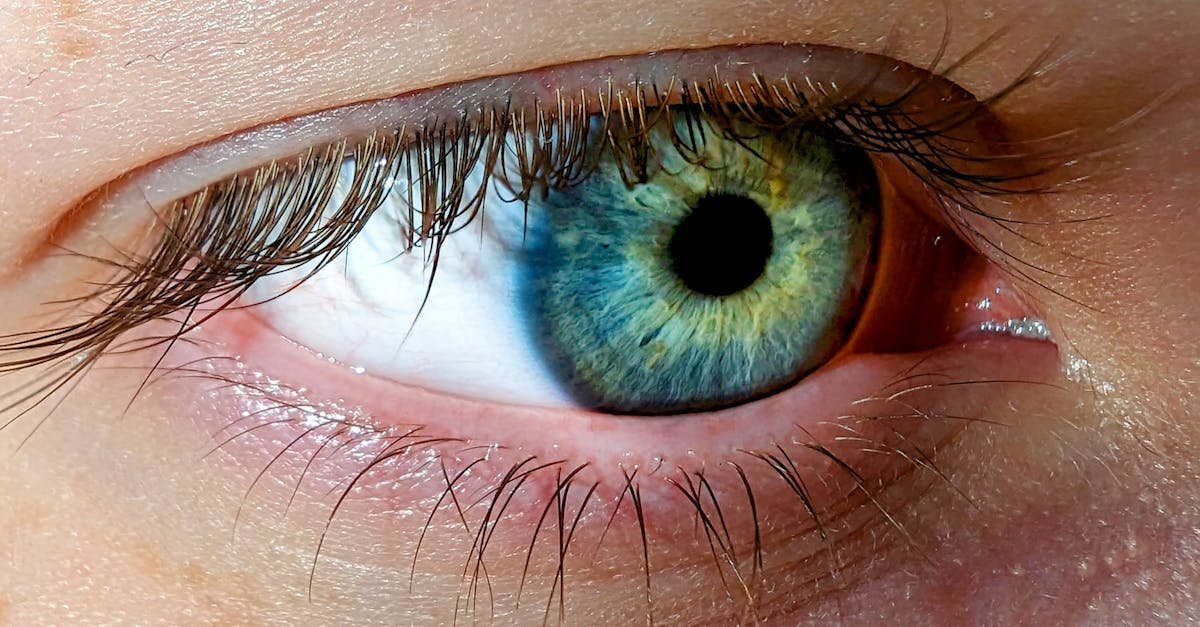

Modern life glorifies busyness and treats rest like weakness.However, your body ignores productivity culture and demands biological recovery daily. If you ignore those needs, your body forces you to slow down eventually.
Therefore, early recognition prevents crashes that derail work, health, and relationships.So how do you know rest becomes necessary right now?
Clear Signs Your Body Needs More Rest Immediately
1. You Yawn Constantly Throughout The Day
Constant yawning signals more than boredom; it signals deep fatigue.
Moreover, frequent yawning often links to sleep deprivation or poor sleep quality.
2. You Struggle To Focus On Simple Tasks
Fatigue shrinks your attention span and overwhelms your brain quickly.
Furthermore, simple chores suddenly demand massive effort to start and finish.
3. You Feel Irritable Or Experience Mood Swings
Do you snap over tiny issues without reason? Tiredness pushes emotions to the surface and amplifies every annoyance.
Consequently, poor rest can mimic anxiety and trigger low mood symptoms.
4. You Crave Sugar And Caffeine Constantly
Sleep deprivation disrupts hunger hormones and spikes cravings for quick energy.
Sweets give temporary energy, while caffeine only masks underlying exhaustion.
Neither fix replaces genuine restorative rest.
5. You React Slowly And Feel Clumsy
Exhaustion slows reflexes and disrupts coordination badly.
You misjudge distances, drop objects, and invite avoidable accidents.
6. You Forget Recent Information Quickly
Poor sleep disrupts memory consolidation and impairs recall.
You misplace keys, forget conversations, and lose focus during daily tasks.
7. You Notice Dark Circles Or Puffy Eyes
Lack of rest dilates blood vessels under your delicate eye skin.
Additionally, fluid retention causes puffiness and that heavy, tired look.
8. You Wake Up Tired Even After Long Sleep
Do you still feel groggy after eight hours in bed? Poor sleep quality, not quantity, often causes morning fatigue.
Conditions like sleep apnea block restorative sleep stages completely.
9. You Catch Colds More Often Than Usual
Do you catch every virus circulating at your office?
Rest strengthens immune defenses and helps your body fight infections.
Chronic fatigue strips those defenses and increases infection vulnerability.
10. Your Skin Looks Dull And Breaks Out
Your skin reveals your rest debt immediately. Nighttime powers skin repair, collagen production, and cellular renewal.
Without enough sleep, your skin loses glow and develops breakouts. How Can You Restore Balance And Recover Faster?
Now you know the warning signs, so let’s fix them actively.
1. Set A Consistent Sleep Schedule
Your body thrives on rhythm, so maintain consistent bedtimes. Going to bed and waking at the same time balances your internal clock.
Consistency also eliminates social jet lag and improves morning energy.
2. Track Your Sleep Patterns With Tools
Sleep trackers reveal hidden patterns that affect rest quality. They monitor duration, heart rate, and deep sleep stages nightly.
Consequently, you spot links between late caffeine and restless nights.
3. Limit Screen Time Before Bed
Blue light from phones tricks your brain into staying awake. It suppresses melatonin production and delays natural sleep onset.
Therefore, avoid screens for 60 minutes before bedtime.
4. Avoid Heavy Meals And Stimulants At Night
Late dinners force your digestive system to work during sleep. Finish eating three hours before bedtime for better digestion. Furthermore, avoid caffeine, nicotine, alcohol, and spicy foods at night.
5. Practice Active Relaxation Techniques
Your body needs a clear signal to shift from work to rest. Try slow breathing, meditation, or quiet reading instead of scrolling. Experiment and find what calms your mind fastest.
6. Try Gentle Evening Stretching Or Yoga
Gentle stretching releases muscle tension and signals upcoming rest. Poses like legs-up-the-wall calm your nervous system quickly. Just five minutes improves your transition into deep sleep.
7. Hydrate Smartly Without Overdoing It At Night
Dehydration harms sleep quality, but excess water disrupts it too. Drink water steadily from morning until evening. Keep a small glass on your nightstand for midnight thirst.
8. Use Soothing Music Or White Noise
Background sounds mask traffic, neighbors, and sudden household noises. Rainfall, ocean waves, or green noise help your brain ignore disruptions. Many people fall asleep faster with gentle instrumental music.
9. Take Strategic Breaks During The Day
Short daytime breaks prevent burnout and improve nighttime sleep quality. Take a five-minute walk or practice slow breathing hourly. Techniques like Pomodoro balance energy and deepen nighttime restoration.
10. Take Short Power Naps Correctly
A brief 10-20 minute nap refreshes focus without harming nighttime sleep. It restores alertness when afternoon energy dips. Think cat nap: short, luxurious, and surprisingly powerful.
Q&A: Quick Answers About Rest
Q: Why do I feel tired even after 8 hours of sleep?
A: You likely experience poor sleep quality, not poor quantity. Stress, apnea, or late screens block deep restorative sleep.
Q: Does caffeine really affect sleep?
A: Yes, caffeine stays in your system for 6-8 hours. It blocks adenosine receptors and delays melatonin production significantly.
Frequently Asked Questions [FAQ]
How much rest does an adult actually need?
Most adults need 7-9 hours of quality sleep plus intentional daytime breaks for full recovery.
What is the fastest way to recover from exhaustion?
Prioritize consistent sleep, hydration, morning sunlight, and screen-free evenings for three consecutive nights.
When should I consult a doctor about fatigue?
Consult a doctor if fatigue lasts over two weeks despite improved rest habits.
Final Analysis: Rest Is Not Reward, It Is Requirement
Your body whispers before it screams. Moreover, ignoring early signs invites burnout, illness, and emotional instability. Therefore, treat rest as a non-negotiable biological requirement, not a luxury. Start tonight: pick one fix and apply it consistently.