In today’s fast-paced lifestyle, people often compromise their health without even noticing the early warning signs. Moreover, constant stress, pollution, and irregular sleep silently weaken the body’s natural defence system over time. Therefore, ancient Indian wellness practices (Breathing Exercise) like pranayama offer a simple, powerful, and equipment-free solution to restore balance and strengthen immunity naturally.
The immune system acts as your body’s frontline army, constantly fighting viruses, bacteria, and harmful pathogens in the background. However, modern factors like chronic stress, air pollution, processed food, and sleep deprivation increase cortisol and inflammation in the body. Consequently, your immunity becomes less effective and you become more vulnerable to infections.
Controlled breathing directly counters this damage and restores equilibrium. For instance, slow and deep pranayama lowers stress hormones, improves blood circulation, and increases oxygen supply to every cell. As a result, your body shifts from a constant fight-or-flight mode to a calm rest-and-repair state where immunity thrives.
Modern science now strongly supports this ancient yogic wisdom. Recent studies show that regular pranayama practice reduces inflammatory markers like IL-6, enhances lymphatic drainage, and improves lung capacity significantly. In addition, researchers found that mindful breathing improves heart rate variability, which directly links to better immune resilience.
Most Effective Pranayama Techniques for Strong Immunity
You can easily practice these four techniques at home. Furthermore, you need no equipment and just 10-15 minutes every morning.
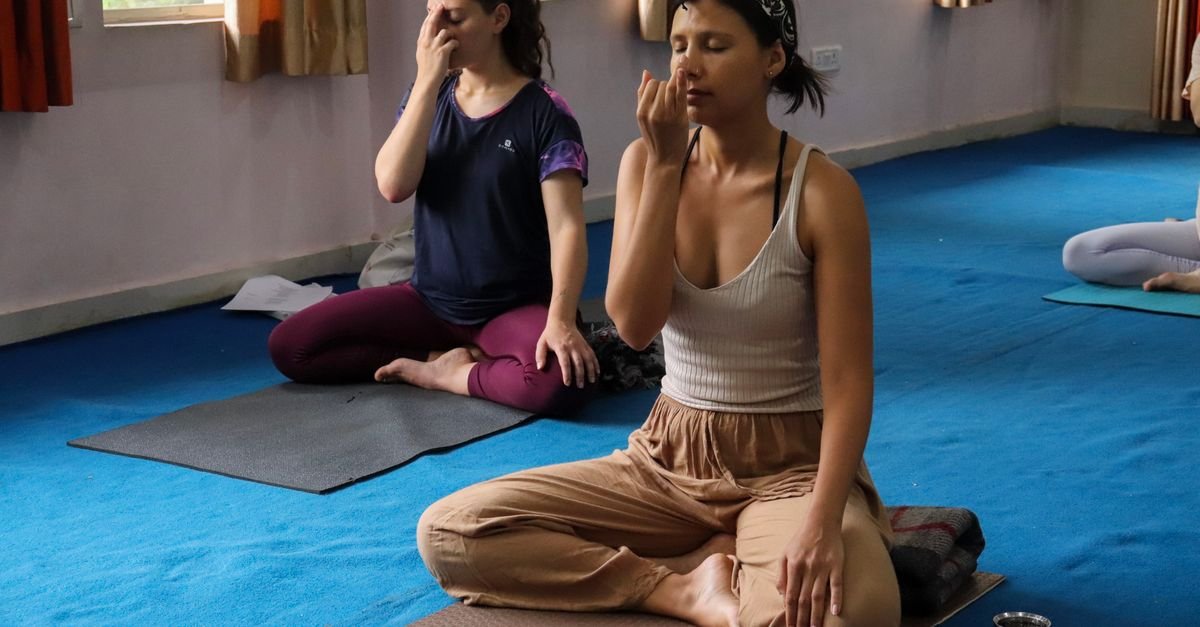
Anulom Vilom – Alternate Nostril Breathing for Detox and Balance
Anulom Vilom effectively balances both hemispheres of the brain while deeply cleansing your respiratory system. To practice, sit comfortably with a straight spine, close your right nostril with your thumb, and inhale deeply through your left nostril. Then close your left nostril, release your right, and exhale slowly through the right side. Continue this cycle for 5 to 10 minutes daily, and you will notice improved respiratory efficiency and mental clarity.
Kapalbhati – Skull Shining Breath to Energize and Cleanse
Kapalbhati involves short, forceful exhalations followed by passive, automatic inhalations that energize your entire system. This powerful technique stimulates abdominal organs, strengthens your diaphragm, and helps your body utilize oxygen more efficiently. Start with just one to two minutes and gradually increase your duration. However, people with high blood pressure, heart conditions, or recent surgery should practice gently or consult a certified instructor.
Bhramari – Humming Bee Breath to Reduce Stress
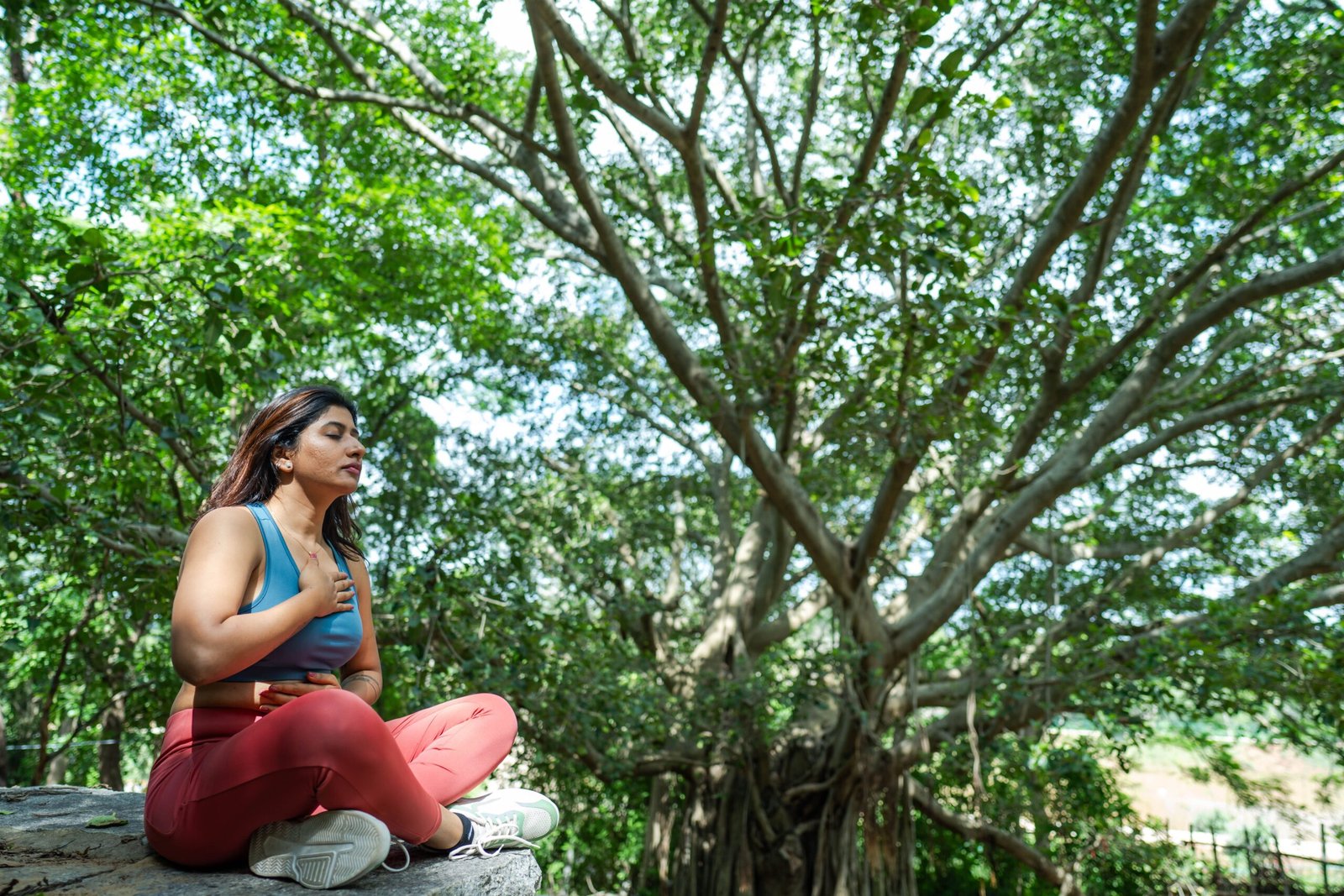
Bhramari uses a gentle humming sound during exhalation to instantly calm your nervous system and reduce anxiety. When you practice it, you inhale deeply and exhale while making a low-pitched humming sound with closed ears. Therefore, it strongly activates your parasympathetic nervous system, lowers anxiety, and indirectly creates an optimal internal environment for immune healing.
Bhastrika – Bellows Breath to Increase Lung Capacity
Bhastrika is a more vigorous pranayama that involves deep inhalations and forceful exhalations at a steady, rhythmic pace. This technique actively warms your body, stimulates blood circulation, and significantly expands your lung capacity. Practice it for one to two minutes when you feel lethargic, and you will feel instantly refreshed and energized.
Safe Practice Guidelines You Must Follow
You should always practice breathing exercises on an empty stomach, ideally in the early morning or at least three hours after your meal. In addition, always begin slowly, listen carefully to your body’s signals, and increase duration only when you feel completely comfortable. People with chronic respiratory or cardiac issues must consult a physician or a qualified yoga instructor before starting.
For best results, combine pranayama with other healthy habits. So, eat fresh seasonal foods, stay well-hydrated, maintain a regular sleep schedule, and avoid smoking. Patanjali wellness literature consistently emphasizes that pranayama delivers maximum benefits when you integrate it into a balanced daily routine.
Analysis: Why Pranayama Works Better Than Quick Fixes
Many people seek immunity boosters in pills and supplements, but pranayama addresses the root cause of low immunity rather than just symptoms. For example, while supplements only provide nutrients, breathing exercises simultaneously reduce stress, improve sleep quality, and enhance lung function.
Moreover, the mind-body connection plays a crucial role that modern medicine often overlooks. When your mind feels calm and focused through regular breathing, your body stops wasting energy on stress responses. Consequently, it can allocate more resources to fighting infections and repairing tissues, which builds long-term, sustainable immunity.
Q&A: What Readers Ask Most
Q: Can pranayama really increase immunity?
Yes, regular pranayama reduces stress hormones and inflammation while improving oxygenation and lymphatic flow, which collectively strengthens your immune response naturally.
Q: How long should I practice daily for results?
You can start with just 10 minutes daily and experience noticeable improvements in energy, breathing, and stress levels within two to three weeks of consistent practice.
FAQ – Optimized for Google Answer Engine
Which pranayama is best for immunity?
Anulom Vilom and Kapalbhati are considered most effective for immunity because they detoxify lungs, improve oxygen intake, and balance the nervous system.
Can beginners do Bhastrika and Kapalbhati?
Yes, beginners can do them, but they should start slowly for one minute, maintain correct posture, and avoid forceful practice if they have hypertension.
What is the best time to do pranayama for immunity?
The best time is early morning on an empty stomach in fresh air, as your lungs are most receptive and your mind is naturally calm.
Are there any side effects of pranayama?
When done incorrectly or forcefully, pranayama may cause dizziness or breathlessness. Therefore, always practice mindfully and stop immediately if you feel uncomfortable.
Medical Disclaimer: The information provided in this article is for general informational and educational purposes only and does not constitute medical advice, diagnosis, or treatment. While we strive to provide accurate and evidence-based wellness information, pranayama practices may not be suitable for everyone.