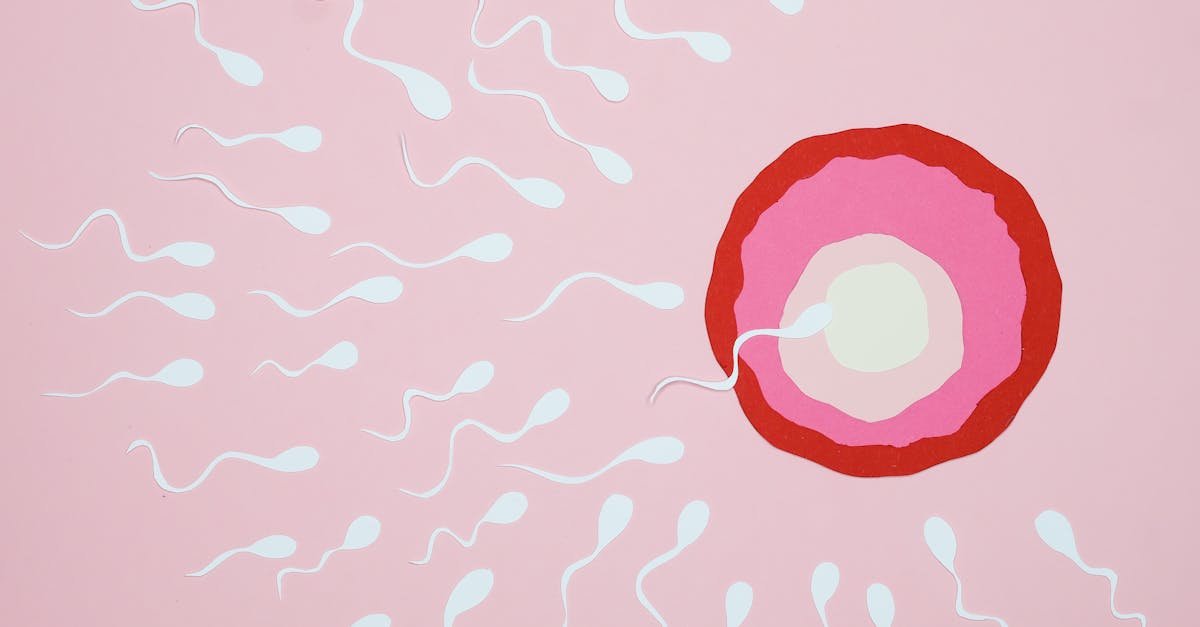

Reproductive health is closely linked to your daily habits, mental wellbeing, and overall lifestyle choices, yet many people often overlook these critical factors every day.
Factors such as consistent sleep patterns, chronic stress levels, and nutritional intake can have a significant impact on your ability to conceive and maintain hormonal balance.
Why Quality Sleep is Essential for Reproductive Success
Getting enough good-quality sleep is important for everyone, as resting for eight to nine hours each night helps keep reproductive hormones properly balanced throughout the body. For men, constant sleep deprivation can lower testosterone levels, which reduces both the overall amount and the quality of sperm needed for healthy reproductive function. For women, poor sleep often upsets the balance of oestrogen and progesterone, leading to irregular periods, sudden mood swings, and potentially serious problems with regular ovulation.
Managing Stress to Protect Your Fertility
Stress is another key factor because the body produces higher cortisol levels when it remains in a constant state of psychological or physical tension over time. These elevated cortisol levels can suppress essential reproductive hormones, leading to lower sperm counts in men and causing irregular menstrual cycles for many women facing pressure. Long-term stress may even cause erectile issues or delayed ovulation, making it significantly harder for couples to conceive without professional intervention and lifestyle adjustments.
The Role of Diet and Nutritional Balance
Eating a balanced diet with enough protein, healthy fats, and whole grains helps keep your hormones steady while supporting your overall reproductive health and wellness. Conversely, consuming lots of processed or sugary foods can cause weight gain and insulin resistance, which often leads to fertility challenges like PCOS for many women. Healthy habits, including eating a nutrient-rich diet, are essential for maintaining the physical resilience required for both the brain and the body to function optimally.
Analysis: The Impact of Burnout and Screen Time
Working long hours or feeling constant burnout leads to ongoing tiredness that throws off hormone levels, affecting menstrual cycles and sperm production in modern adults. Furthermore, excessive screen time can disturb your natural sleep-wake cycle, which is closely tied to the delicate hormone balance required for maintaining healthy reproductive systems daily. Focusing on balancing work and life while using technology mindfully can help protect your fertility and support long-term wellbeing as you plan for the future.
Q&A: Addressing Common Fertility Concerns
How does stress specifically affect a woman’s cycle?
Chronic stress keeps the body in a prolonged state of tension, which can lead to irregular periods and delayed ovulation by upsetting the hormonal cycles.
Can poor diet habits affect male fertility?
Yes, poor eating habits may lower sperm quality and raise oxidative stress, which negatively impacts the reproductive health and overall vitality of men today.
When should a couple seek help from a specialist?
If you are having trouble with intimacy or trying to conceive, it is important to see a fertility consultant to discuss your specific medical needs.
Frequently Asked Questions (FAQ)
How much sleep is needed for hormonal balance?
Experts recommend getting at least eight to nine hours of quality sleep each night to ensure that your reproductive hormones remain steady and healthy.
What are some advanced fertility treatments?
Advanced treatments include IVF, IUI, and ICSI, along with options like egg or sperm freezing and blastocyst transfer to give hope to many hopeful couples.
Does screen time really affect my hormones?
Yes, using devices late at night disrupts your natural sleep-wake cycle, which is a process that is closely tied to your body’s hormonal regulation.
Can lifestyle changes alone solve fertility issues?
While healthy habits like exercise and managing stress are helpful, they may not be sufficient for everyone, and medical treatments are often necessary for success.
What role does Vitamin B1 play in health?
While Vitamin B1 is critical for nerve function and brain repair, maintaining general nutritional health is essential for all systems, including your reproductive functions.
Disclaimer: This article is for informational purposes only and does not constitute medical advice; always seek professional guidance for reproductive health concerns.