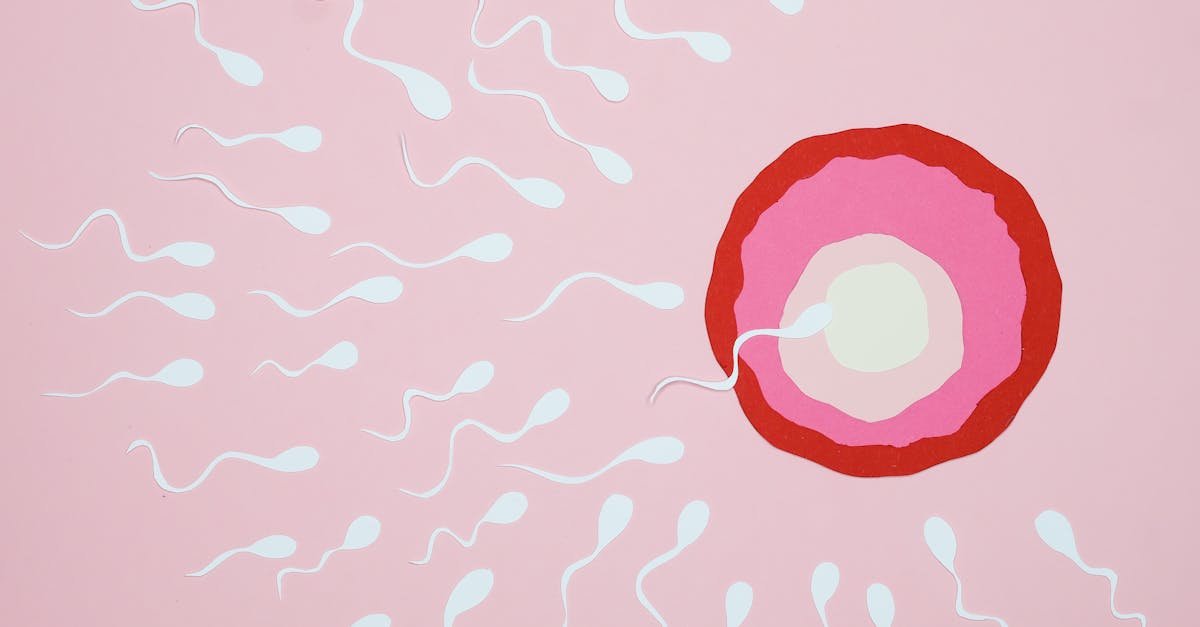
Sperm cells face a monumental task, but their days are numbered from the moment they are created. Their internal clocks tick throughout the reproductive journey.
Understanding exactly how long human sperm survive depends heavily on their specific environment. Factors like temperature, moisture, and energy levels dictate whether they thrive or perish.
The Long Road from the Testes
The journey begins in the testes, where sperm cells are produced before migrating through a narrow, coiled channel called the epididymis. This migration takes approximately ten days. Once they reach the reservoir at the end, they await ejaculation in a protected bubble. Furthermore, they can remain viable in this functionally suppressed state for up to two weeks.
Survival in an Unpredictable World
Outside the cozy confines of the testes, sperm face a much more unpredictable environment. Contrary to popular belief, contact with oxygen does not kill them. However, moisture levels are absolutely critical for their continued survival. Consequently, if left on a dry surface without liquid, sperm will wither and die within minutes to an hour.
Technological Advances and Laboratory Success
In ideal laboratory conditions, such as those used for in vitro fertilization, sperm can be incubated in controlled environments. These cells can survive for up to 72 hours. Moreover, technological advances have extended this lifespan significantly through freezing processes. If stored and frozen appropriately, human sperm can remain viable for several decades.
Analysis: The Role of the Female Reproductive Tract
Sperm can live naturally inside the female body for an impressive amount of time after leaving the testes. The female reproductive tract plays a critical role in supporting their survival during the long journey toward the egg. Specifically, the tract supplies the sperm with energy in the form of glucose. While sperm have internal energy resources, they cannot survive five to seven days without this external nutritional support.
Q&A: Understanding Sperm Longevity
Q: Does oxygen kill sperm instantly upon contact?
A: No, that is a common myth; however, the lack of moisture on dry surfaces causes them to die very quickly.
Q: How long can sperm stay in the epididymis?
A: They migrate for ten days and can then be stored in a viable state for up to two weeks before ejaculation.
FAQ: Frequently Asked Questions
How long do sperm survive on a dry surface?
Without a liquid medium to swim in, they typically die within a few minutes to a single hour.
What is the maximum survival time in a lab?
In controlled environments used for assisted reproduction, they can survive for approximately 72 hours before losing viability.
Can the female body help sperm live longer?
Yes, the female reproductive tract provides glucose which allows sperm to survive for five to seven days.
Is it possible to store sperm for years?
With modern freezing technology, sperm cells can be successfully preserved and remain viable for many decades.