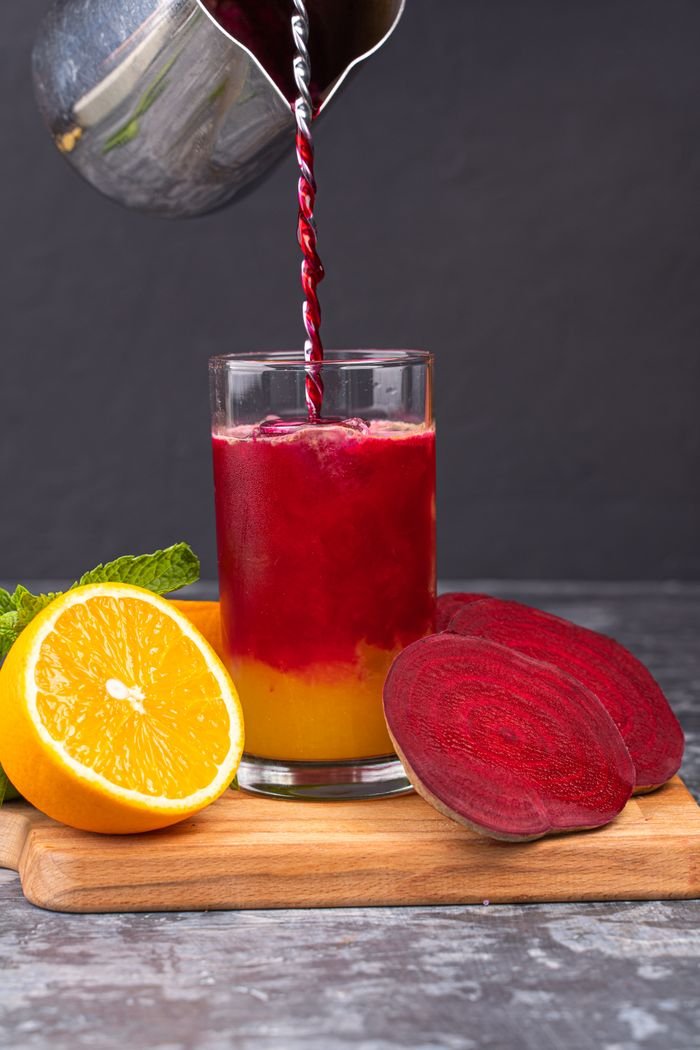
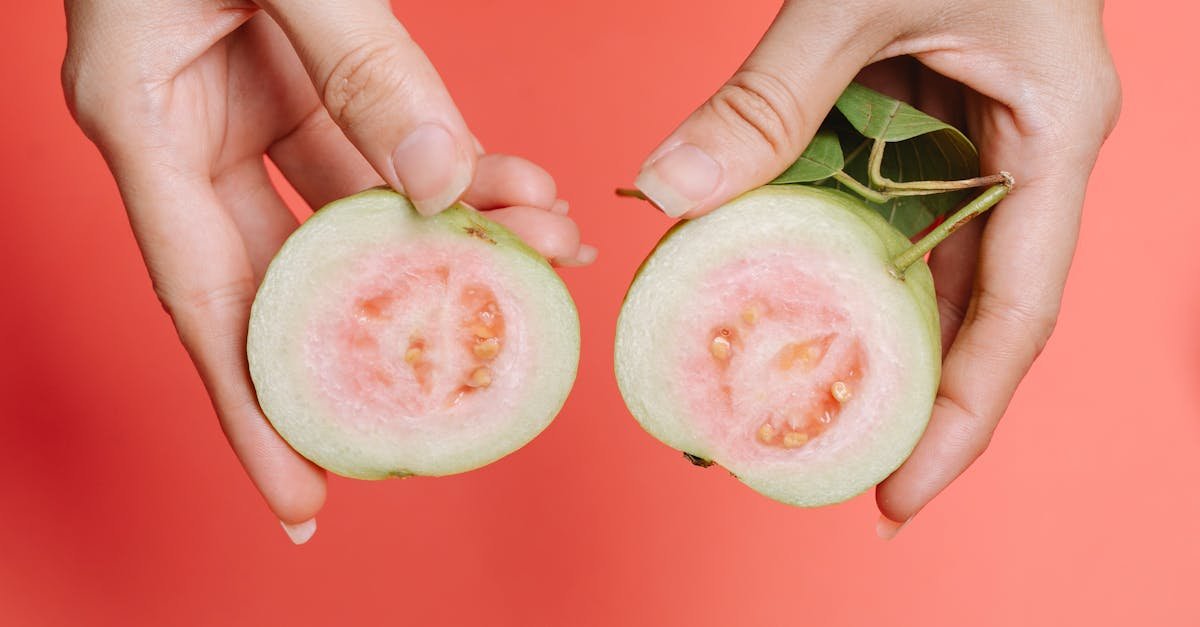
Regularly drinking guava juice could provide a simple and affordable way to reduce anemia risks among women in low and middle-income countries. This insightful research, recently published in the journal BMJ Nutrition Prevention & Health, highlights how this common fruit supports essential blood health.
Consequently, researchers suggest incorporating guava juice into dietary counseling programs specifically aimed at preventing anemia in regions where the condition remains a widespread challenge.
Anemia: A Persistent Global Health Challenge
Iron deficiency anemia remains a major health hurdle, especially impacting the lives of teenage girls and pregnant women in many developing nations. This serious condition often increases the risk of illness or death while simultaneously draining energy levels and damaging vital cognitive functions. Because guava is widely available and inexpensive in parts of Asia, it offers a practical and sustainable nutritional solution for millions.
The Secret Power of Vitamin C
Guava serves as an excellent source of vitamin C, which is a critical nutrient that helps the body absorb iron from plant-based foods. Interestingly, researchers discovered that guavas contain up to four times more vitamin C per 100 grams than even the most popular oranges. Furthermore, this tropical fruit provides essential vitamin A, folate, and dietary fiber, along with small but beneficial amounts of natural iron.
Analyzing the Evidence: Boosting Hemoglobin Levels
A comprehensive review of seventeen studies revealed that combining guava juice with iron supplements is more effective than taking iron supplements alone. On average, participants who consumed guava juice experienced a significant increase in their hemoglobin levels by approximately 1.71 g/dl over time. Specifically, pregnant women saw an impressive increase of 1.84 g/dl, while teenage girls experienced a healthy rise of 1.52 g/dl.
Why a 2 g/dl Increase Changes Lives
Researchers emphasize that a shift of just 1–2 g/dl can move an individual from moderate anemia into a healthy, non-anemic category. This positive change significantly improves daily productivity, reduces chronic fatigue, and enhances overall well-being for women during their most demanding life stages. Therefore, using affordable local fruit can create massive health improvements without requiring expensive medical interventions or complex pharmaceutical treatments.
Analysis: The Impact of Local Superfoods
This research underscores the power of utilizing locally available “superfoods” to solve complex public health crises like chronic iron deficiency. While iron supplements are often standard, their effectiveness is frequently limited by the body’s inability to absorb the mineral without sufficient vitamin C. By pairing supplements with guava juice, health systems can maximize the biological impact of existing treatments while lowering the overall cost of care.
Limitations and the Path Forward
While the findings are very promising, researchers noted that all seventeen studies in this comprehensive review were conducted within the country of Indonesia. Most of these studies used quasi-experimental methods, which makes it slightly harder to establish a direct and definitive cause-and-effect relationship. Additionally, the lack of long-term follow-up means we do not yet know how long these hemoglobin improvements will last after the intervention.
Q&A: Understanding Guava and Iron
Q: Can I just eat the guava fruit instead of drinking the juice?
A: Yes, the fruit contains the same high levels of vitamin C and fiber, which are the primary drivers of improved iron absorption.
Q: Does guava juice contain more vitamin C than oranges?
A: According to the latest research, guava contains up to four times more vitamin C per 100 grams than a standard orange.
FAQ: Frequently Asked Questions About Guava and Anemia
- How does guava juice help with iron supplements? The high vitamin C content in guava juice significantly improves how your body absorbs iron from both supplements and plant-based foods.
- Who benefits most from this dietary change? The review specifically highlights significant health improvements for teenage girls and pregnant women, who are at the highest risk for iron deficiency.
- Can drinking guava juice replace iron supplements entirely? The study suggests that guava juice works best when combined with iron supplements to reach the highest possible hemoglobin levels quickly.
- Is there a specific variety of guava I should use? The review noted differences in guava varieties across studies, but all types generally provide the high vitamin C levels needed for absorption.