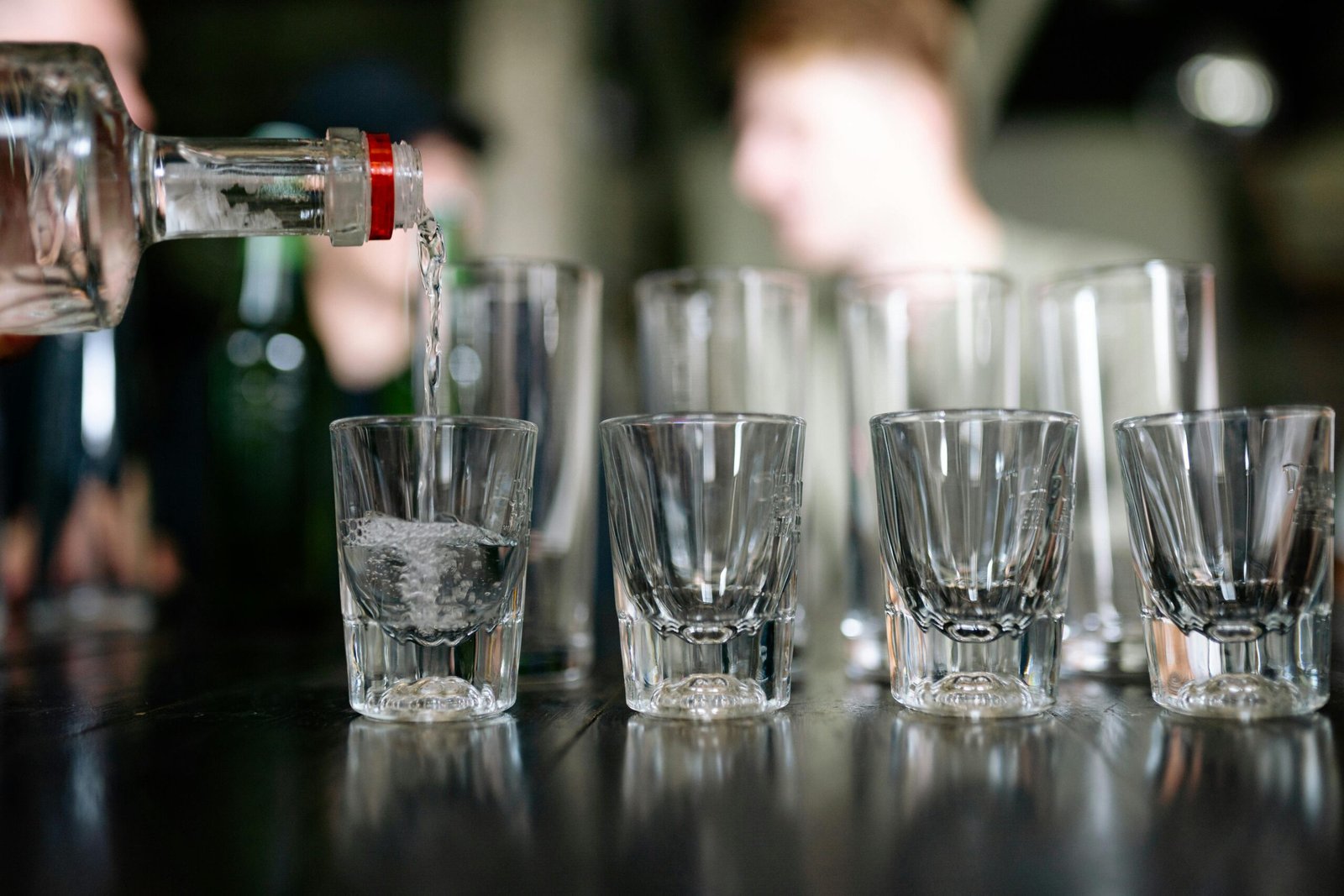

Six Months Without Alcohol: How Quitting Transforms Your Body and Mind

Quitting alcohol for six months allows the body to detoxify, repair, and restore balance. Since alcohol impacts nearly every organ, sobriety during this period produces remarkable physical, emotional, and mental health improvements.
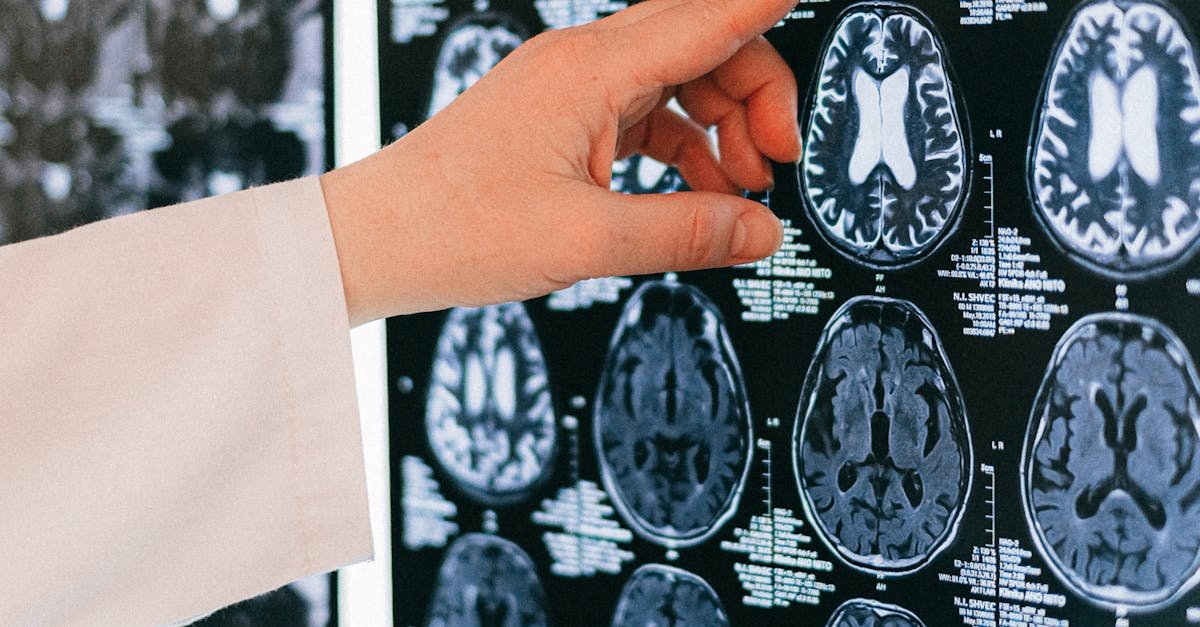

Early Diet Rewires the Brain: How Gut Bacteria Can Fix Your Habits

New research from University College Cork reveals how early childhood diets leave lasting imprints on the brain’s appetite control centers

Heavy Social Media Use to Rising Loneliness in College Students

A massive US study of 65,000 students reveals that heavy social media use significantly increases loneliness and isolation among young adults.

Binge Drinking Once a Month Triples Risk of Severe Liver Scarring

New research from Keck Medicine of USC reveals that binge drinking once a month triples liver scarring risk in MASLD patients

How Your DNA Influences Drinking Risk: Understanding Genetics and Alcohol Use Disorder

Learn how genetics influence alcohol use disorder, associated health risks, and effective treatments, with practical tips for prevention and recovery.

Promoting Sexual Justice on World Sexual Health Day

World Sexual Health Day 2025 on September 4 highlights Sexual Justice—empowering rights, inclusion, autonomy, and access to sexual health.

Gut Microbes May Shape the Brain Before Birth, New Study Finds

New research suggests gut microbes influence brain development before birth, shaping stress and social behavior through prenatal neural changes.

The Truth About the Cortisol Cocktail: Social Media Trend or Health Risk?

The viral cortisol cocktail claims to reduce stress hormones, but science shows it does not lower cortisol and may pose health risks.

Animal Protein Linked to Neutral or Slightly Protective Effects on Cancer Mortality

New study finds animal protein does not increase mortality risk and may slightly lower cancer-related deaths, supporting a balanced diet.

Could Coffee Affect Antibiotic Effectiveness? New Lab Research Suggests a Subtle Link

New research suggests caffeine may subtly reduce how E. coli bacteria absorb some antibiotics, revealing complex interactions between diet and bacterial behavior.