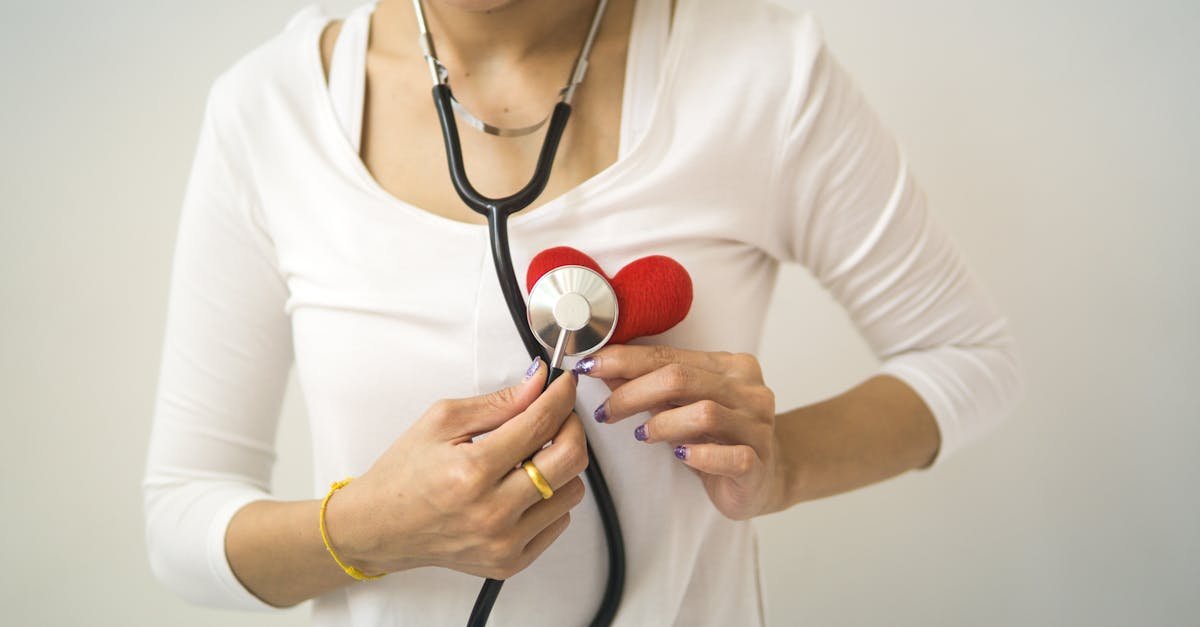
AI Revolutionizes Heart Risk Prediction by Measuring Fat Around the Organ
Discover how AI-driven measurements of heart fat from routine scans
provide a more accurate prediction of cardiovascular disease risk

Indian Flash | Positive news | Live
Diseases & Conditions
Covers:
Diabetes Management
Heart Health
Cancer Awareness
Infectious Diseases (incl. COVID)
Skin & Beauty Care
Sexual Health & Hygiene
Reproductive Health
Men’s & Women’s Health
Discover how AI-driven measurements of heart fat from routine scans
provide a more accurate prediction of cardiovascular disease risk
New research reveals how artificial intelligence can detect laryngeal cancer by analyzing subtle, hidden patterns in the human voice
University of Waterloo researchers are engineering soil bacteria to consume cancerous tumors from the inside, overcoming oxygen barriers through synthetic biology
Thyroid cancer has become a growing global concern, particularly among adolescents and young adults aged 15–39. A groundbreaking international study…
Dark circles under the eyes affect all ages. Learn about causes, expert-approved treatments, and whether permanent removal is possible.
Recognize key nighttime symptoms of kidney damage such as frequent urination, swelling, skin itching, insomnia, and breathing difficulties.
New research reveals sperm mutations increase with male age, reshaping understanding of paternal genetics and potential child health risks in 2025.
The International Agency for Research on Cancer identifies alcohol as a leading preventable cause of cancer worldwide, urging stronger global policy action.
A major study reveals that almost all heart attacks and strokes are linked to four key risk factors — high blood pressure, cholesterol, blood sugar, and smoking.
White rice can spike blood sugar in type 2 diabetes. Learn how portion control, rice type, cooking methods, and balanced meals help manage glucose levels effectively.