
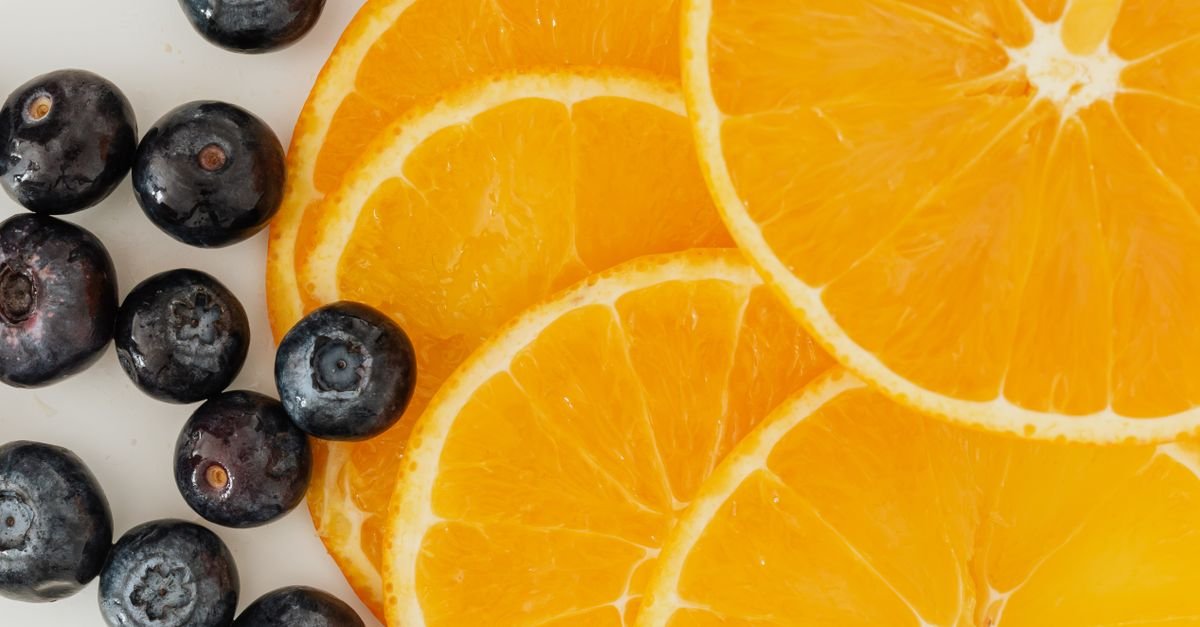
Boosting immunity naturally through diet has become a top priority for many people, especially during flu season and periods of high stress. Moreover, fruits rich in vitamins, antioxidants, and bioactive compounds play a crucial role in strengthening your body’s defence system.
Among all immunity boosters, berries and citrus fruits are the most celebrated, but which one actually works better for immunity?
Nutritional Profile at a Glance: What Makes Them Powerful?
Berries such as strawberries, blueberries, raspberries, and blackberries are nutritional powerhouses packed with vitamin C, dietary fiber, and powerful antioxidants. In addition, they contain flavonoids like anthocyanins that protect your cells from oxidative stress and reduce chronic inflammation effectively. Furthermore, berries are naturally low in calories, making them ideal for daily consumption without weight gain concerns.
Citrus fruits including oranges, lemons, limes, and grapefruits are famously rich in vitamin C, potassium, soluble fiber, and immune-supporting phytochemicals. They also contain potent flavonoids like hesperidin and naringenin that help reduce inflammation and improve blood circulation. Therefore, both fruit groups offer impressive nutrition, but their immune benefits work through slightly different mechanisms.
Vitamin C Content and Immunity: Who Wins?
Vitamin C is absolutely essential for a strong immune system because it stimulates white blood cell production and strengthens your skin’s natural barriers. Moreover, it acts as a powerful antioxidant that neutralizes harmful free radicals in your body.
Citrus fruits are typically higher in vitamin C per serving and remain the most reliable daily source. For example, one medium orange provides approximately 70 mg of vitamin C, which covers nearly 80% of your daily requirement. Similarly, one lemon provides around 45 mg of vitamin C along with immune-supporting plant compounds.
Berries also provide significant vitamin C, though the amount varies widely by type. For instance, one cup of strawberries offers about 85 mg of vitamin C, which actually exceeds an orange, while one cup of blueberries provides only about 14 mg. Consequently, if you want consistent, high-dose vitamin C intake, citrus fruits are usually the more dependable choice.
Antioxidants and Phytochemicals: The Hidden Immune Advantage
While citrus fruits lead in vitamin C, berries clearly dominate when it comes to antioxidant diversity and overall cellular protection. Berries are exceptionally rich in anthocyanins, quercetin, and ellagic acid, which actively fight oxidative stress and support long-term immune health. In addition, these compounds help reduce inflammation, which is a key factor in maintaining strong immunity.
Citrus fruits also provide valuable antioxidants, particularly hesperidin and naringenin, which enhance immune response and support heart health. However, research shows that berries contain a wider range of polyphenols, offering broader protection against cellular damage and age-related immune decline. Therefore, for long-term immunity, berries provide a more comprehensive antioxidant shield.
Fibre and Gut Health: The Immunity Connection You Should Not Ignore
Did you know that nearly 70% of your immune system resides in your gut? This is why gut health directly influences your immunity. Berries are rich in both soluble and insoluble fiber that feeds beneficial gut bacteria, improves digestion, and strengthens your gut immunity.
Citrus fruits also contain fiber, especially in their pulp and peel, which aids digestion and supports a healthy microbiome. However, berries generally provide slightly more fiber per serving and have a lower glycemic index. As a result, they support better blood sugar control while nourishing your gut bacteria more effectively.
Calorie Count and Daily Serving Guide
Both fruits are low-calorie and nutrient-dense, making them perfect for daily immunity support without extra calories.
Berries: One cup (150g) contains only 50 to 85 calories, depending on the type. Therefore, you can easily add them to breakfast, snacks, or desserts.
Citrus fruits: One medium orange or half a grapefruit contains about 60 to 80 calories. Consequently, they make an excellent hydrating and refreshing mid-day snack.
How to Include Both Fruits in Your Diet for Maximum Benefits
Smart Ways to Eat Berries:
Add a handful of fresh or frozen berries to your smoothies, oatmeal, or Greek yogurt for a powerful antioxidant breakfast. In addition, you can eat them as a mid-morning snack or mix them into salads. Using frozen berries is a great way to retain nutrients year-round without worrying about seasonality.
Smart Ways to Eat Citrus Fruits:
Drink fresh orange or sweet lime juice without added sugar for an instant vitamin C boost in the morning. Furthermore, add lemon slices to warm water, salads, or green tea to enhance absorption of iron and antioxidants. You can also use citrus zest as a topping for cereals and desserts.
Final Analysis: Which Is Better for Immunity?
So, which fruit boosts immunity more — berries or citrus fruits? The honest answer is that both support immunity powerfully, but they do it in different ways.
If you need quick, daily vitamin C for immediate immune defense, citrus fruits are unmatched and should be your first choice. On the other hand, if you want broader, long-term cellular protection, reduced inflammation, and stronger gut immunity, berries offer superior benefits.
Therefore, nutritionists agree that the best approach is not to choose one over the other. Instead, including a balanced combination of both berries and citrus fruits in your daily diet ensures you get vitamin C, diverse antioxidants, fiber, and other immune-supporting compounds. Ultimately, variety is the real secret to stronger immunity, served naturally and deliciously.
Q&A: What Readers Ask Most
Q: Can I eat berries and citrus fruits together?
Yes, you can absolutely eat berries and citrus fruits together, and combining them actually provides complementary benefits of vitamin C, polyphenols, and fiber for stronger immunity.
Q: Which fruit has the highest vitamin C for immunity?
Among common fruits, strawberries and oranges have the highest vitamin C content, with one cup of strawberries providing more vitamin C than one orange.
FAQ – Optimized for Answer Engine
Are berries or oranges better for immunity?
Oranges are better for daily vitamin C intake and quick immune support, while berries are better for long-term antioxidant protection and gut-linked immunity. Eating both gives the best results.
How many servings of berries and citrus fruits should I eat daily?
Experts recommend 1 to 2 servings of fruit daily, such as one medium orange and half a cup of mixed berries, to support optimal immune function.
Do frozen berries have the same immunity benefits?
Yes, frozen berries retain most of their vitamins, antioxidants, and fiber because they are flash-frozen at peak ripeness, making them equally beneficial for immunity.
Can citrus fruits cause acidity?
In some people, citrus fruits may cause acidity or heartburn when consumed on an empty stomach. Therefore, if you are sensitive, eat them after meals or dilute lemon juice with water.
Disclaimer: This article is for general informational and educational purposes only and does not constitute medical advice, diagnosis, or treatment. The nutritional information provided is based on general research and may vary depending on individual health conditions.