Injectable “Mini Livers” to Restore Vital Organ Function Without Surgery
MIT engineers develop injectable “mini livers” to provide booster function for failing organs, offering a potential breakthrough for patients awaiting scarce organ transplants.

Indian Flash | Positive news | Live
MIT engineers develop injectable “mini livers” to provide booster function for failing organs, offering a potential breakthrough for patients awaiting scarce organ transplants.

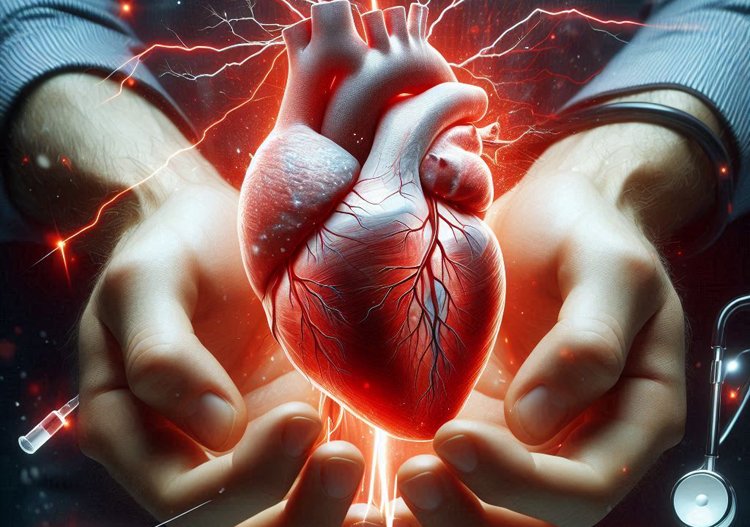
Discover how your ZIP code influences future heart health through a groundbreaking Northwestern Medicine study on neighborhood environments and long-term cardiovascular risks.

Learn how uninterrupted sitting increases your cancer death risk by 9% and why simple movement breaks can significantly lower your danger of developing obesity-related cancers.

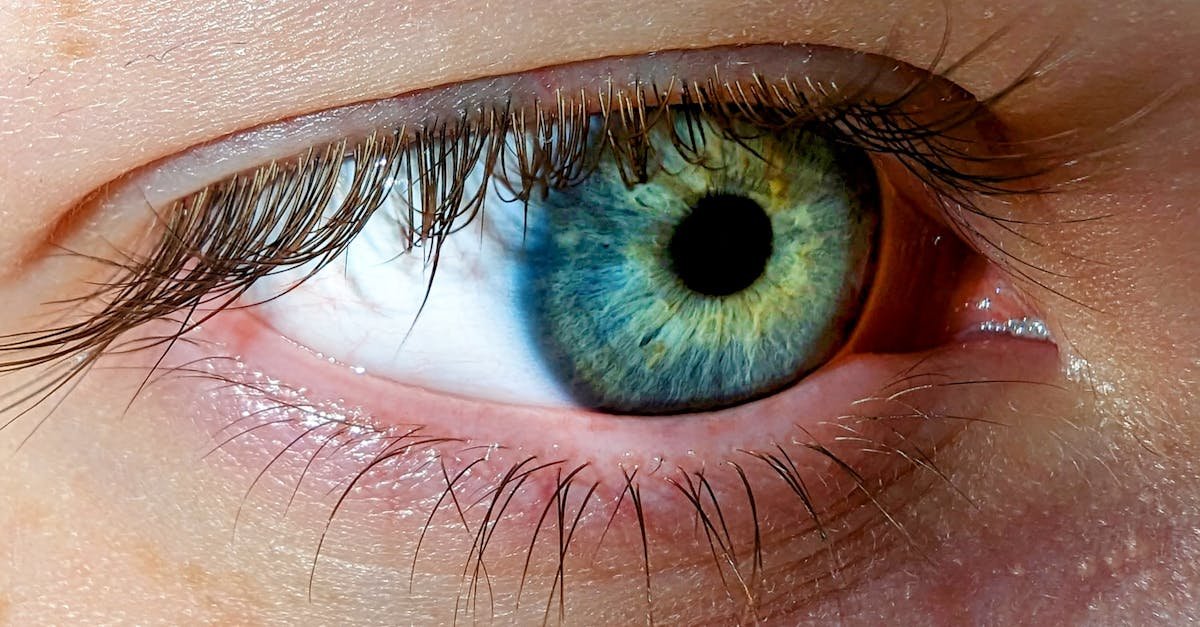
Discover how new self-healing contact lenses use UV light to repair microscopic scratches, improving eye safety and reducing waste for millions of contact lens wearers.

New research from Cedars-Sinai links regular coffee consumption to a significantly lower risk of liver cirrhosis, cancer, and liver-related death through biological protection.

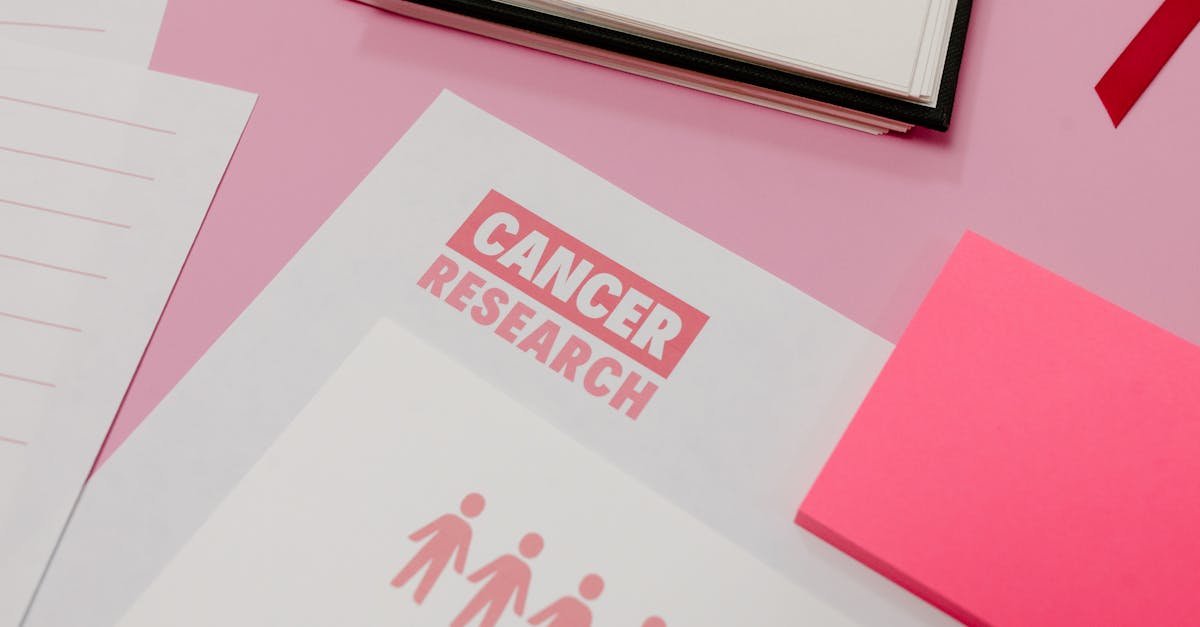
The WHO Global Status Report on Cancer 2026 reveals a rising global crisis with 20.6 million new cases and highlights deep survival inequities across nations.

Discover how imagery-based therapy heals childhood emotional scars and reduces the fear of failure through innovative research from SWPS University and the Nencki Institute.

Colorectal cancer is increasing among adults under 50. Learn the subtle symptoms, expert advice, and how new ACS tools help you stay safe

Dark circles are a primary beauty concern that often makes you appear tired, stressed, or older than your actual age.…

A massive Cambridge study involving 100 million people reveals that cannabis use increases stroke risk by 37 percent and identifies causal links for cocaine.
Slug: cannabis-cocaine-amphetamine-stroke-risk-study