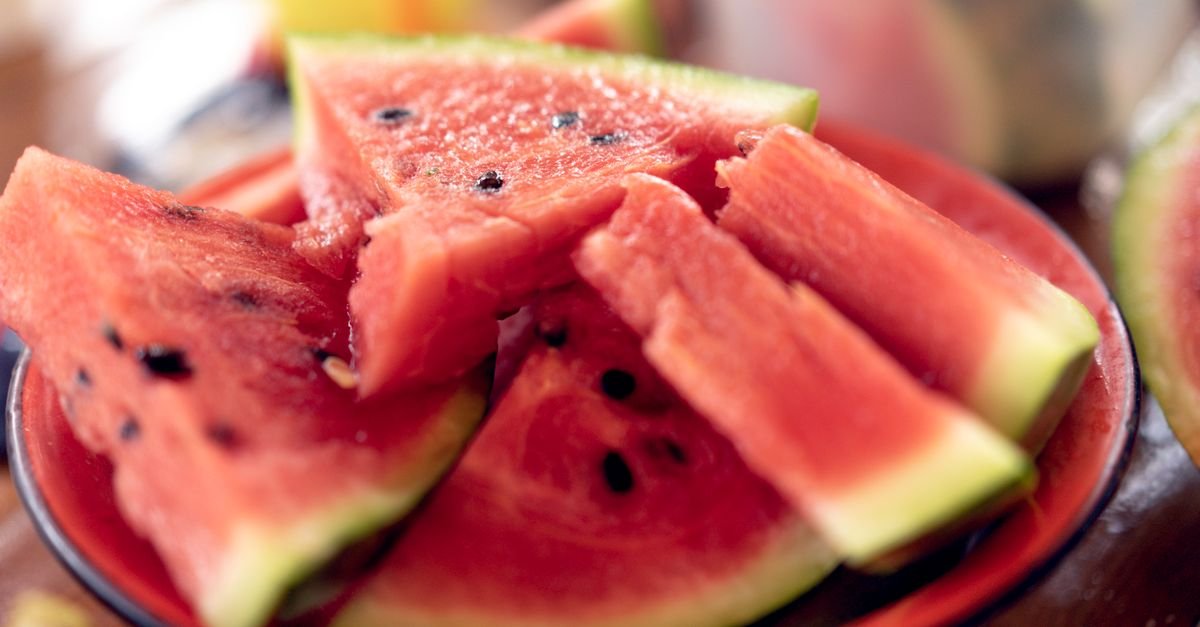
Watermelon is widely celebrated as a summer superfood because its high water content exceeds ninety percent, providing essential hydration during extremely hot and humid weather. However, a recent rise in food poisoning incidents has made many consumers wary of this popular fruit, leading to serious concerns about safe consumption practices.
This raises an important question regarding what specific factors contribute to foodborne illnesses when enjoying this otherwise nutritious and refreshing seasonal treat.
The Culprit: Bacteria, Heat, and Humidity
Fortunately, watermelon does not inherently cause food poisoning, but current high levels of environmental heat and humidity play a significant role in bacterial proliferation. When you cut fruits and leave them exposed for extended periods, bacteria can multiply rapidly, which is a risk for all types of seasonal produce. Due to its exceptionally high moisture content, watermelon acts as a perfect breeding ground for dangerous bacteria if you leave it sitting out for hours.
Internal Decay and Contamination Risks
Sometimes fruits become overripe and begin to decay internally, allowing bacteria to multiply within the flesh before you even slice into the protective outer rind. Consuming these fruits can result in distressing symptoms like vomiting and diarrhea, as the internal bacterial load becomes too high for the body to handle. Furthermore, if you do not wash the fruit properly with clean water, surface bacteria can easily cling to the skin and increase your risk.
The Role of Hygiene and Tools
Using a contaminated knife or an unwashed plate can introduce harmful pathogens directly into the fruit’s flesh, significantly increasing the likelihood of a foodborne illness. Therefore, it is absolutely crucial to be vigilant about food safety and maintain a high standard of kitchen hygiene during the peak summer months. Proper washing and careful cutting of the fruit, followed by immediate consumption or short-term refrigeration, can effectively mitigate most of these hidden health risks.
Analysis: The Misconception of Refrigeration
Many people believe that refrigeration eliminates all risks, but bacteria can continue to grow even in cold conditions if they were already present on the fruit. While cooling slows the process, most perishables will still spoil within two to three days, meaning you should never store cut fruit for too long. Consequently, the combination of moisture and improper storage creates a “perfect storm” for bacterial growth that refrigeration alone cannot always prevent or reverse.
Experts strongly recommend consuming your watermelon immediately after cutting it to ensure you are eating the freshest and safest version of the fruit possible. If the inside of the watermelon appears mushy or develops an off taste, you should discard it immediately to avoid any potential for severe illness. Always ensure that every knife and plate used for preparation is thoroughly cleaned to prevent the cross-contamination of bacteria during your summer snack sessions.
Frequently Asked Questions (FAQ)
Can I eat watermelon that has been sitting out?
You should avoid eating any cut fruit that has been sitting at room temperature for several hours, as bacteria multiply quickly in humid conditions.
How long can I store cut watermelon in the fridge?
You should consume refrigerated watermelon within two to three days because bacteria can still grow slowly in cold environments if they were already present.
Does washing the outside of the watermelon help?
Yes, washing the rind with clean water prevents surface bacteria from being transferred to the inside of the fruit when you use a knife.
Summary Q&A Section
Q: What are the common symptoms of watermelon-related food poisoning?
A: Consuming contaminated or decaying fruit typically results in symptoms like vomiting and diarrhea, which require prompt medical attention if the condition persists or worsens.
Q: Why is watermelon more prone to bacteria than other fruits? A: Its high moisture content, exceeding ninety percent, provides the ideal environment for bacteria to flourish, especially when combined with high summer heat and humidity.
Q: When should I seek medical help after eating fruit?
A: You should seek medical attention promptly if you notice any adverse health effects or persistent digestive distress shortly after consuming cut fruits during the summer.