Improving oral hygiene for hospital patients can reduce the risk of non-ventilator-associated hospital-acquired pneumonia (NV-HAP) by a remarkable 60 per cent. This landmark finding comes from a massive clinical trial presented at ESCMID Global 2026, offering a simple solution to a dangerous healthcare infection.
Consequently, this study suggests that basic daily care could significantly improve patient outcomes while lowering the overall costs associated with prolonged hospital stays.
The Silent Threat of NV-HAP
Non-ventilator-associated hospital-acquired pneumonia develops at least 48 hours after admission in patients who are not currently receiving mechanical ventilation assistance. While frequently occurring, this condition historically receives far less research attention than ventilator-associated pneumonia despite being equally dangerous and linked to increased mortality. Furthermore, NV-HAP remains a common healthcare-associated infection that increases healthcare costs and places an unnecessary burden on already struggling hospital systems.
Inside the HAPPEN Study
Researchers conducted the Hospital Acquired Pneumonia Prevention (HAPPEN) Study across nine wards in three Australian hospitals over a 12-month period ending in August 2025. This multicenter randomized controlled trial included 8,870 patients, making it the largest and only study of its kind ever performed in a hospital setting. Interestingly, each ward introduced the intervention every three months to ensure researchers could accurately measure the impact of the new hygiene protocols.
Simple Tools, Major Impact
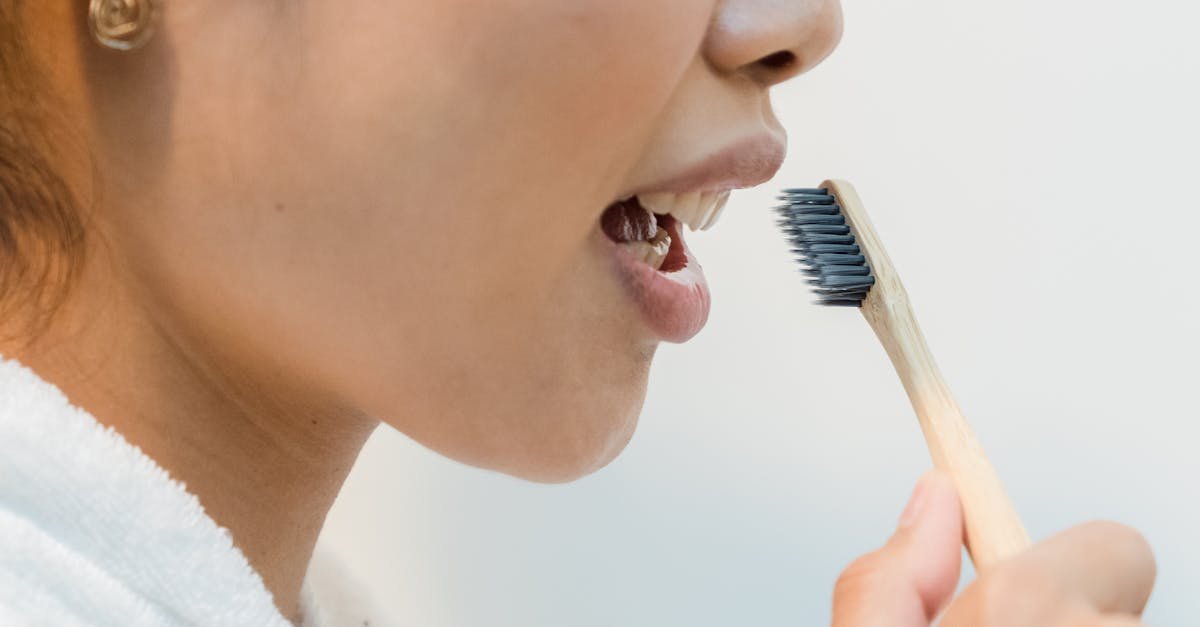
During the intervention phase, hospital staff provided patients with a toothbrush, toothpaste, and educational materials alongside access to various helpful online medical resources. Healthcare workers also received onsite training and practical support to ensure that the delivery of oral care became a consistent priority on the hospital wards. However, the control group followed usual hospital practices, allowing for a clear comparison between the two different approaches to patient care.
Dramatic Results and Statistics
The program led to a substantial improvement in daily hygiene practices, with oral care participation increasing from 15.9 per cent to 61.5 per cent. Crucially, the incidence of pneumonia fell from 1.00 to 0.41 cases per 100 admission days-at-risk, representing an impressive 60 per cent reduction. These statistically significant results highlight that regular brushing—averaging 1.5 times per day—can serve as a powerful defense against life-threatening respiratory infections.
Why Oral Hygiene Works
Typically, NV-HAP occurs when fluids containing pathogens from the mouth or throat enter the lungs, especially in patients unable to clear their oral secretions. Improving oral hygiene reduces these harmful pathogens in the mouth, thereby lowering the risk of a serious lung infection originating from the patient’s microbiota. Professor Brett Mitchell explains that these infections usually arise from a patient’s own bacteria rather than through direct person-to-person transmission in the ward.
Overcoming Barriers in Hospital Care
Lead author Professor Brett Mitchell identified several barriers in hospitals, including limited access to suitable products and low awareness of the link with pneumonia. By addressing these issues through education and practical resources, the researchers successfully increased the frequency of oral care among patients across different hospital wards. Ultimately, this study provides the robust evidence needed to support national guidelines that already recognize the vital role of oral hygiene in prevention.
Analysis: A Cost-Effective Solution for Public Health
This study provides robust evidence that a low-cost intervention can address a common healthcare-associated infection that previously drove up costs and hospital stays. By making toothbrushes and toothpaste standard on admission, hospitals can potentially save lives while reducing the heavy financial burden of treating preventable pneumonia. Therefore, the next vital step involves understanding how these structured programs can be effectively implemented and sustained across diverse global healthcare environments.
Q&A: Understanding the HAPPEN Study
Q: What exactly is NV-HAP?
A: It is a form of pneumonia that develops in hospital patients who are not on a ventilator at least 48 hours after admission.
Q: How many patients were involved in this trial?
A: The trial included a total of 8,870 patients across three Australian hospitals, making it the largest study of its kind to date.
Q: Did the intervention require expensive medical equipment?
A: No, the intervention focused on simple tools like toothbrushes and toothpaste combined with educational materials and staff training to improve hygiene.
Frequently Asked Questions (FAQ)
How much did pneumonia risk decrease?
The risk of developing non-ventilator-associated hospital-acquired pneumonia decreased by approximately 60 per cent among patients who received the oral hygiene intervention.
How often did patients brush their teeth?
Audits during the study showed that oral care was undertaken an average of 1.5 times per day in the wards during the intervention.
Why is oral care linked to lung health?
Improving oral hygiene reduces respiratory pathogens in the mouth, preventing them from entering the lungs and causing an infection from the patient’s microbiota.
What were the main barriers to oral care?
Researchers noted that limited access to products, low awareness of the pneumonia link, and competing clinical priorities often prevented consistent oral care.
Is this study globally applicable?
While conducted in Australia, the study provides robust evidence that could inform global guidelines and preventative programs for hospitals in various international settings.