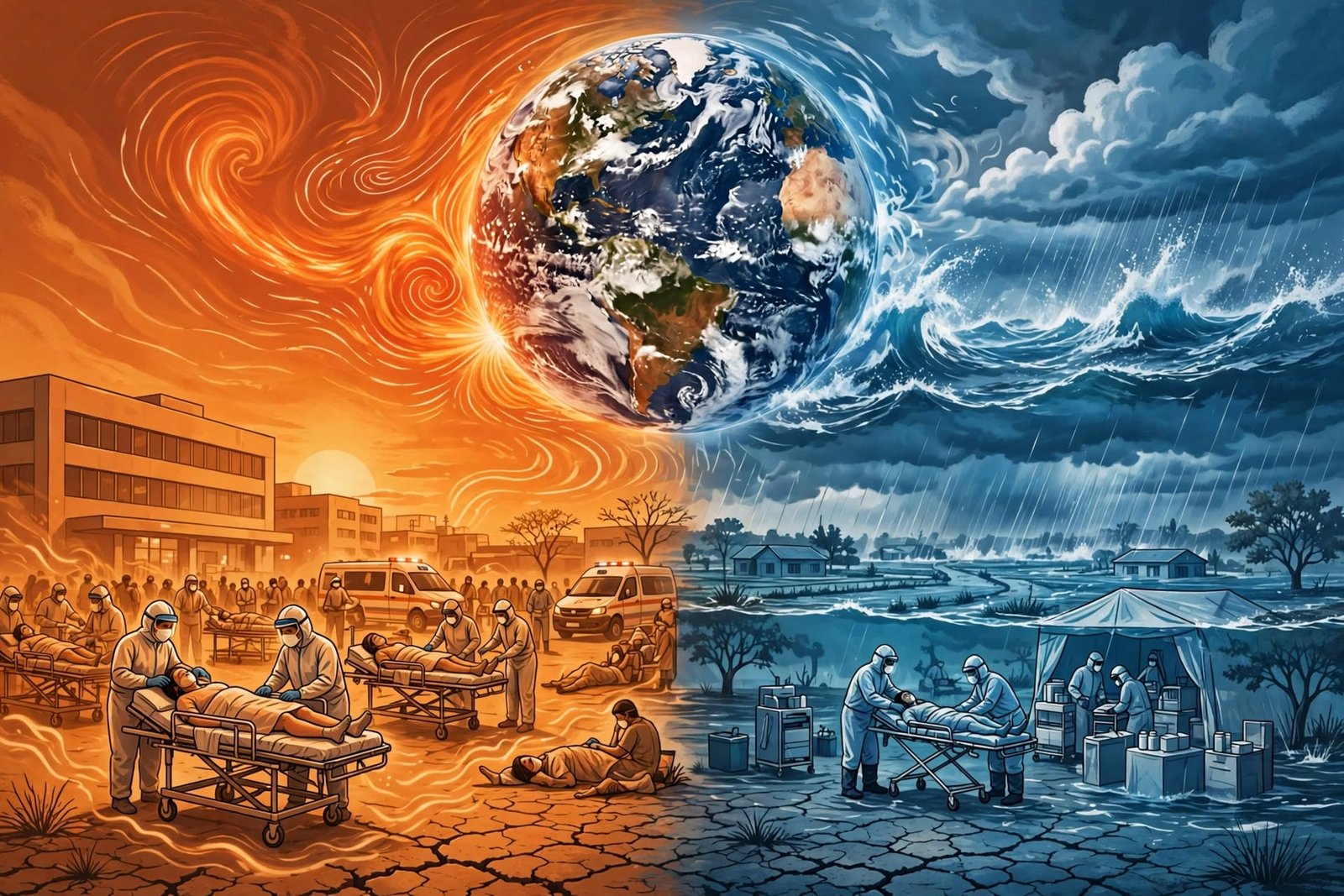
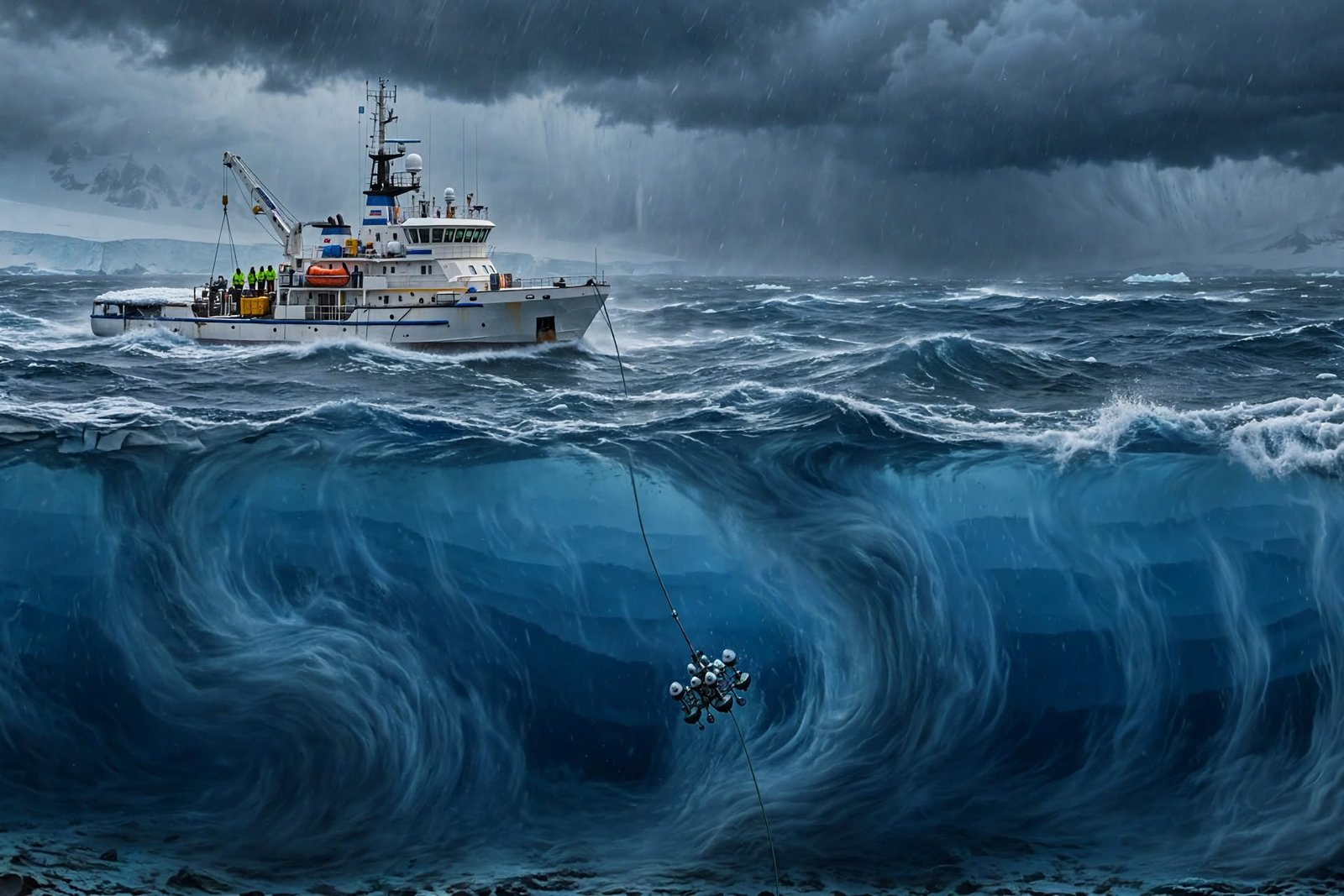
Scientists recently discovered that a critical Southern Hemisphere ocean layer grows saltier and denser after Antarctic sea ice melt declined sharply since 2016. This alarming shift threatens to push significantly more heat into deep ocean waters than current climate models can accurately predict for coming decades.
Every Antarctic summer, melting sea ice releases enormous volumes of fresh water that sustain a vital ocean layer called Antarctic Intermediate Water. This relatively fresh seawater layer spreads across much of the Southern Hemisphere while storing carbon, supplying oxygen, and driving essential global ocean currents.
A Dramatic Reversal Since 2016
From 1995 until 2015, seasonal summer ice melt consistently maintained this critical layer at remarkably stable salinity and density levels across the region. However, reduced freshwater input from 2016 until 2024 left the layer noticeably saltier, denser, and deeper, abruptly reversing its previously established long-term trends.
Key Facts About the Study
The international research team published their groundbreaking findings in Nature Climate Change after analyzing data from approximately 4,000 robotic Argo ocean sampling floats. Until 2016, the seasonal Antarctic summer melt delivered roughly triple the Amazon River’s entire annual flow of approximately 6,600 cubic kilometers of freshwater. Furthermore, Antarctic sea ice shrank to record lows after 2016, which abruptly choked off that critical seasonal freshwater surge into the Southern Ocean.
Q&A
Q: What exactly is Antarctic Intermediate Water and why does it matter globally?
Antarctic Intermediate Water represents a relatively fresh ocean layer that stores carbon, supplies oxygen, and redistributes heat across the entire Southern Hemisphere effectively.
Q: How quickly did this dramatic shift in ocean salinity and density occur?
The abrupt reversal unfolded over roughly two decades, whereas the last comparable natural transition required many thousands of years around 130,000 years ago.
Q: Could these changes affect weather patterns beyond the Southern Hemisphere region?
Researchers warn that sustained shifts could significantly influence atmospheric circulation, weather systems, and storm tracks across the entire Southern Hemisphere and potentially globally.
Analysis: Implications for Climate Models
The weakened Antarctic Intermediate Water layer could push significantly more excess heat deeper into the ocean than scientists previously anticipated or modeled accurately. Consequently, existing climate models likely underestimate deep-ocean warming and therefore miscalculate regional sea level rise and long-term surface temperature projections across the world. Moreover, the altered water layer could change how surface water carries heat downward, potentially affecting how much atmospheric carbon the ocean locks away.
Why This Matters for Global Climate
The ocean functions as Earth’s primary climate buffer by absorbing and redistributing most excess heat and a large share of human carbon emissions. Therefore, any disruption to this buffering capacity could accelerate atmospheric warming and intensify extreme weather events across vulnerable coastal communities around the world.
FAQ
1. What percentage of human-generated heat do the world’s oceans currently absorb?
The oceans absorb over 90 percent of all heat released into the environment by human activities, storing most of it in upper layers.
2. Which ocean current system could this salinity shift eventually disrupt over time?
A sustained shift could eventually feed into the Atlantic Meridional Overturning Circulation, the deep-ocean current system often linked to North Atlantic climate stability.
3. Who led this important international research study on Antarctic ocean changes?
Associate Professor Bishakhdatta Gayen from the University of Melbourne and the Indian Institute of Science led the study alongside PhD student Kaushik Mishra.
4. When was the last time Antarctic Intermediate Water experienced a similar major shift?
The last comparable switch occurred at the end of the last interglacial period around 130,000 years ago when Antarctica held very little ice.
5. How might these ocean changes affect global carbon storage in the future?
Altered water circulation patterns could change how effectively the ocean sequesters carbon, although the exact magnitude and precise timing remain highly uncertain currently.