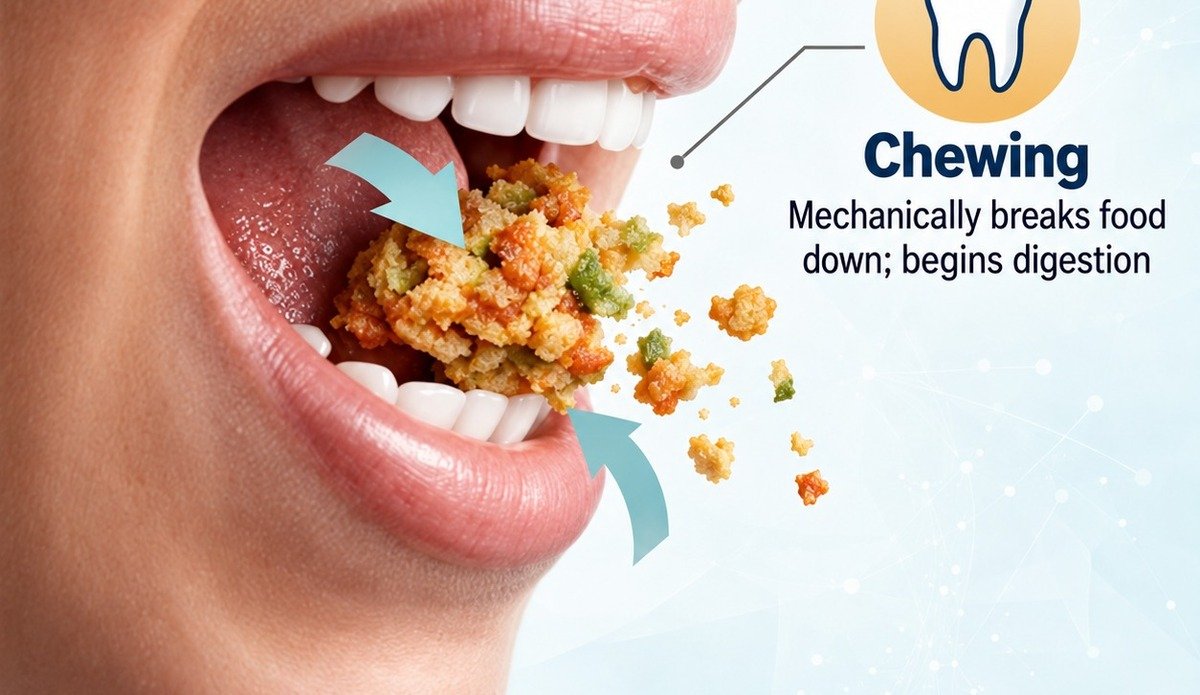
Chewing mechanically breaks down food into smaller particles while simultaneously mixing it with saliva to form a lubricated bolus for swallowing. Salivary enzymes actively begin digesting starches and other food components even before the bolus reaches your stomach for further chemical breakdown.
Furthermore, oral sensory receptors actively convey critical information about taste and texture and temperature directly to your brain during every bite. These sensory signals influence saliva production and digestive responses and appetite regulation well before nutrients actually reach your gastrointestinal tract.
Chewing Speed and Appetite Regulation
Slow eating increases the time food remains exposed to sensory receptors in your mouth and may significantly affect appetite related signals. Gut hormones such as peptide YY and glucagon like peptide one and cholecystokinin actively help regulate your appetite throughout each meal.
Consequently, increasing chews per bite and prolonging mealtimes may reduce overall food intake in certain controlled experimental settings according to evidence. By contrast, faster eating consistently associates with higher calorie intake and greater body weight across multiple large scale observational population studies. However, these associations do not establish that rapid eating directly causes weight gain or that specific hormones fully explain the relationship.
The Brain Mouth Gut Connection
Food related sensory cues actively engage neural pathways that involve reward processing and appetite regulation and digestive coordination throughout your body. Mastication helps initiate physiological processes like salivation and digestive activity changes before nutrients actually reach your small intestine for proper absorption.
Moreover, the gut brain axis serves as a bidirectional communication network that actively sends signals between your brain and gastrointestinal tract. Vagal pathways and gut derived hormones transmit critical information about gastrointestinal distension and nutrient exposure that help regulate meal termination effectively.
Food Texture and Metabolic Responses
The texture of foods you consume actively influences your chewing behavior and subsequent digestive processes and overall post meal glycemic responses. People usually take smaller bites of harder foods and chew them longer which can slow eating and reduce overall meal intake.
Additionally, whole foods often retain physical structures that require more oral processing compared with highly processed alternatives in modern diets. Comparisons between whole fruit and juice clearly illustrate how food form actively affects appetite and satiety under controlled experimental conditions.
Questions and Answers About Chewing
Q: Does chewing food more times per bite actually reduce your overall daily calorie intake and help with long term weight management?
A: Some experimental studies link increased mastication to lower energy intake through slower eating and greater sensory exposure to food during meals.
Q: How exactly does food texture influence your chewing behavior and subsequent metabolic responses including insulin secretion and post meal glucose levels?
A: Harder food textures require more chewing which slows eating rate and may reduce overall food intake by nine to twenty one percent.
Analysis of Current Evidence
The available evidence does not establish a universal chew count for appetite control because chewing time varies with food texture significantly.
Chewing efficiency also differs from chewing frequency because more chewing strokes do not necessarily mean your body breaks food down effectively.
Therefore, modifying chewing behavior could complement dietary interventions but healthcare providers should not consider it a standalone nutrition strategy for patients.
Longer term intervention studies must determine whether changes in chewing behavior actually produce lasting improvements in weight or metabolic health outcomes.
Frequently Asked Questions
1. What specific role does mastication play in preparing the digestive system for nutrient absorption before food reaches the stomach and intestines?
Mastication increases food surface area and mixes it with salivary enzymes that actively begin breaking down starches and other complex food components.
2. How do age related changes in oral function affect chewing efficiency and overall nutritional health among older adult populations worldwide?
Older adults often experience reduced masticatory efficiency and decreased saliva production and altered taste perception that collectively limit their dietary variety.
3. Can people with chewing difficulties maintain adequate nutrition without consuming harder foods that require extensive oral processing and prolonged mastication?
Healthcare providers should offer softer nutritionally adequate foods and personalized dietary counseling to ensure patients maintain sufficient energy and protein intake.
4. Does thorough chewing improve nutrient absorption in all individuals or do the metabolic benefits vary depending on food composition and status?
The presence of cephalic phase responses does not establish that additional chewing improves nutrient absorption in everyone across all dietary conditions.
Conclusion
Chewing food thoroughly influences appetite regulation and metabolic responses and nutritional health while slower eating may reduce overall calorie intake significantly. Healthcare providers should personalize dietary recommendations to individual oral function and nutritional needs and habitual eating behaviors for optimal health outcomes.
Disclaimer: This article provides general health information only and does not constitute professional medical advice so readers should consult qualified healthcare providers for personalized guidance.