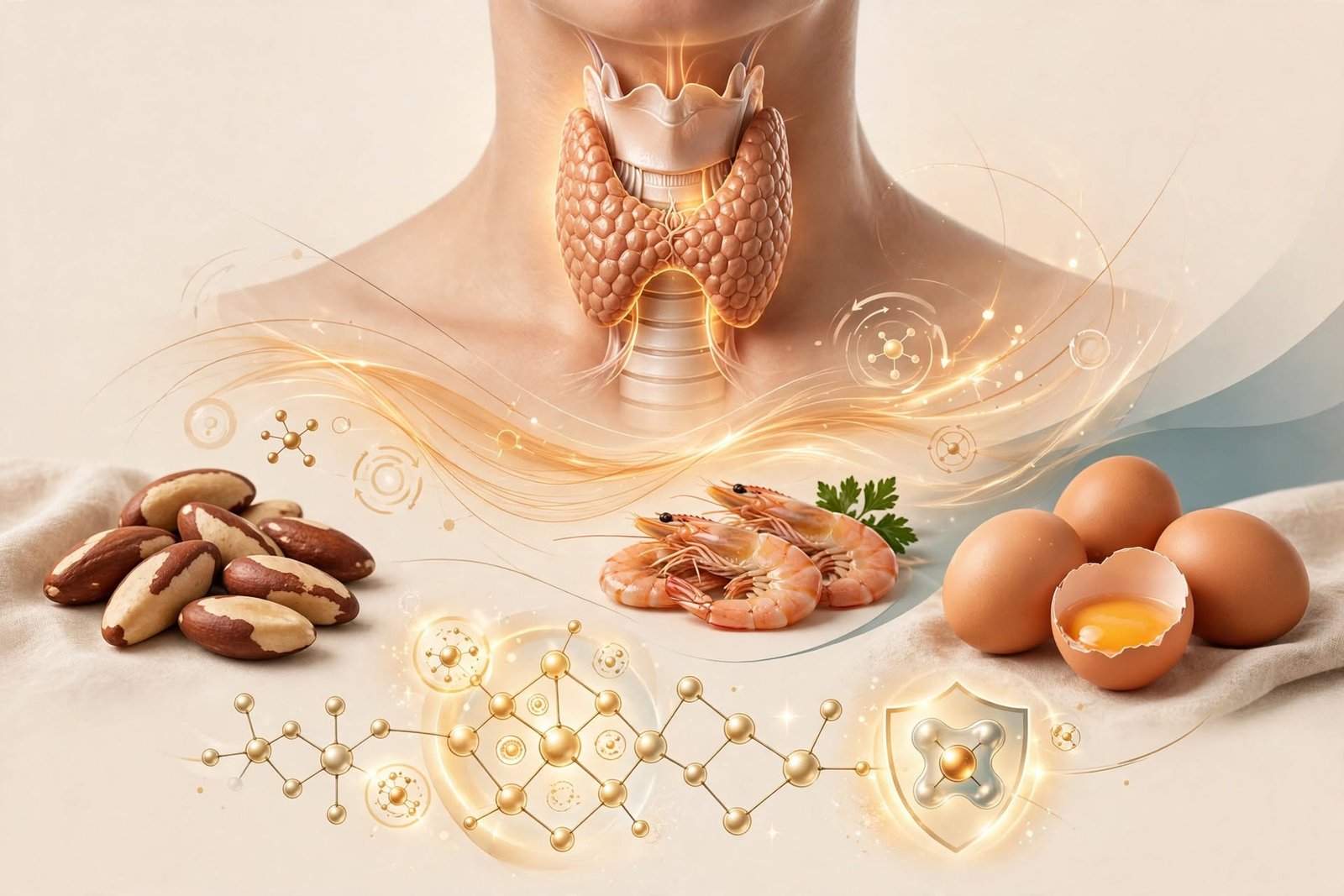
Thyroid diseases are becoming common worldwide. In the US alone, about 20 million people have some type of thyroid condition. As the thyroid gland’s main role is to control the speed of your metabolism, even a slight imbalance can lead to significant health issues.
While taking medications your doctor has prescribed is important to maintain thyroid levels, nutrition may also play a supportive role. One key nutrient linked to thyroid function is selenium.
Understanding Selenium’s Role in Thyroid Function
Selenium is a micronutrient that works as a building block for selenoproteins, which are essential proteins in the human body. In fact, the thyroid gland contains the highest concentration of selenium compared to any organ in the body. “Selenium levels in the body depend on the characteristics of the population and its diet, geographic area, and soil composition. In the thyroid, selenium is required for antioxidant function and for the metabolism of thyroid hormones,” experts note on the role of selenium in thyroid function.
Selenium is very crucial for your thyroid gland. Many people diagnosed with hypothyroidism or taking thyroxine supplements are usually on the heavier side because their metabolic rate is very low. One of the main nutrients that helps in maintaining thyroid activity and metabolism is selenium. Selenoproteins help protect thyroid cells from oxidative damage and help convert inactive thyroid hormone (T4) to active form (T3) that drives metabolism.
Which Foods Are Rich in Selenium?
Selenium content in foods depends on soil composition and diet of the population. Some of the richest natural sources include:
Brazil nuts: One of the most concentrated sources; just 1-2 nuts can provide daily needs.
Seafood: Tuna, sardines, shrimp.
Eggs and poultry: Readily available protein sources with moderate selenium.
Whole grains and legumes: Brown rice, lentils, especially from selenium-rich soil regions.
These are often called “superfoods” for thyroid support because they deliver selenium along with other supportive nutrients, but they are not a replacement for medical treatment.
How Much Selenium Do You Need?
Selenium is a micronutrient — you need only small amounts. Too little can impair antioxidant defenses and hormone metabolism in the thyroid. Too much can also be harmful and cause selenium toxicity.
Requirements vary by age, diet, geography, and health status. People with hypothyroidism should not self-supplement with high-dose selenium without medical guidance, as excess intake can interfere with thyroid function and other systems.
Supporting Thyroid Health Safely
Medication adherence remains the cornerstone for diagnosed thyroid conditions. Nutrition can complement, not replace, treatment:
1. Eat a balanced, varied diet with adequate iodine, selenium, and other micronutrients.
2. Maintain healthy weight and metabolism through regular activity and sleep, as low metabolic rate can contribute to weight gain in hypothyroidism.
3. Get regular thyroid check-ups and discuss diet and supplements with your doctor.
Q&A
Q: Can selenium cure hypothyroidism?
A: No. Selenium supports antioxidant function and hormone metabolism in the thyroid, but it does not cure thyroid disease. Medication prescribed by your doctor is essential.
Q: Which superfood is highest in selenium?
A: Brazil nuts are among the highest natural sources. However, selenium content varies by soil, and eating too many can exceed safe intake.
Q: Should I take selenium supplements for thyroid?
A: Supplements should only be taken if advised by your doctor after testing. Food sources are generally safer for maintaining adequate levels.
FAQ
1. Why does the thyroid need so much selenium?
The thyroid contains the highest concentration of selenium of any organ, where it is needed for making selenoproteins that protect against oxidative stress and convert thyroid hormones.
2. How common are thyroid conditions?
In the US alone, about 20 million people have some type of thyroid condition, with many more worldwide.
3. Does selenium help metabolism and weight in hypothyroidism?
Selenium helps maintain thyroid activity, which controls metabolic rate. Low metabolism can contribute to weight gain, but weight management requires overall medical care, not a single nutrient.
4. Can diet alone fix thyroid imbalance?
No. While selenium and other nutrients support thyroid function, even slight hormonal imbalance can cause significant health issues that require medical diagnosis and treatment.
Disclaimer: This article is for informational purposes only and does not constitute medical advice. Selenium is important for thyroid function, but it does not replace prescription thyroid medication. Always consult a qualified healthcare professional before making dietary changes or taking supplements, especially if you have hypothyroidism or are taking thyroxine.