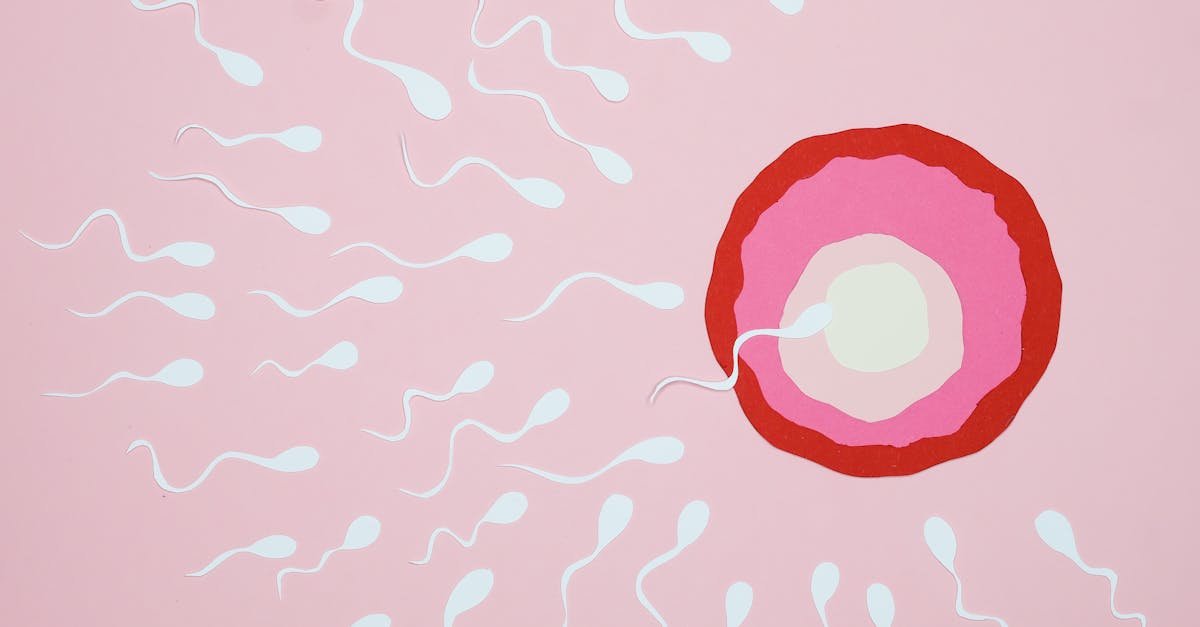

A new research has shed encouraging light on how exposure to cigarette smoke could affect reproductive health in both men and women significantly and importantly. The study led by researchers from Universities of Nottingham and Sheffield and published in Frontiers provides new mechanistic insights for reproductive health positively.
Furthermore, infertility affects significant proportion of people of reproductive age worldwide, with approximately one in six experiencing infertility during reproductive years globally and notably.
Mouse Model Examines Ovaries And Testes
Specifically, researchers used innovative mouse model to examine effects of different levels of cigarette-smoke exposure on ovaries and testes comprehensively and carefully systematically. Meanwhile, research team focused on changes to reproductive tissues and activity of genes involved in their normal function for both sexes systematically and thoroughly.
Importantly, in females, number and structure of ovarian follicles showed relatively little change following exposure, even at higher levels of smoke exposure consistently.
Female Gene Changes Linked To Ovarian Ageing
Additionally, researchers identified clear changes in activity of numerous genes, with cell division and metabolism genes becoming notably less active overall and significantly.
Moreover, genes associated with protein production became more active, showing pattern similarities with biological processes previously associated with ovarian ageing and reduced function notably.
Furthermore, in males, higher levels of smoke exposure associated with measurable changes to structures within testes, including enlargement of seminiferous tubules where sperm develop significantly.
Male Changes In Sperm And Immune Genes
Consequently, researchers also identified significant changes in activity of genes involved in sperm production, immune responses and cell signalling pathways important for function and fertility. Specifically, some genes associated with sperm production became more active, while others involved in immune function became notably less active after exposure and consistently.
Therefore, findings suggest cigarette-smoke exposure may alter important biological processes crucial for normal testicular function and healthy sperm development in males significantly and clearly.
Analysis
Professor Lucy Fairclough said study identified potential biological mechanisms that could help explain link between smoking and reproductive health. Furthermore, Fairclough said females showed changes in gene activity associated with biological processes previously linked to ovarian ageing and reduced ovarian function patterns notably.
Additionally, Fairclough said males showed changes in genes involved in sperm production and testicular function, statement highlighting differential sex-specific responses to cigarette smoke exposure clearly. Moreover, Fairclough said findings important because they help understand how exposure could affect reproductive health, statement emphasizing need for further human fertility research subsequently.
Furthermore, Dr Adam Watkins said smoking well-established harmful for reproductive health, exact mechanisms not fully understood, statement acknowledging knowledge gap mouse study addresses. Additionally, Watkins said ovary and testis respond differently to smoke, statement highlighting ovary structure unaltered while testis showed measurable morphology changes interestingly and significantly. Consequently, Watkins said ovary showed changes in genes regulating cell proliferation and protein synthesis, while testis showed altered sperm production genes, statement clarifying sex-specific mechanisms.
Finally, researchers said findings add to existing evidence about potential impact of smoking, statement emphasizing need to better understand biological mechanisms involved for prevention.
Q&A
Q: What did Nottingham and Sheffield researchers find about cigarette smoke and ovarian follicles in mouse model?
A: Researchers found number and structure of ovarian follicles showed relatively little change following exposure, even at higher levels, but gene activity changed significantly.
Q: How does cigarette smoke affect genes related to ovarian ageing and sperm production according to Frontiers study?
A: Smoke reduced cell division metabolism genes and increased protein production genes in ovary resembling ovarian ageing, while altering sperm production and immune genes in testis.
Q: What did Professor Lucy Fairclough say about importance of these findings for understanding smoking and fertility?
A: Fairclough said study identified potential biological mechanisms explaining smoking reproductive link, helping understand how exposure could affect reproductive health in both sexes.
FAQ
Q: Does cigarette smoke affect ovaries and testes differently according to this mouse study?
A: Yes, Watkins said ovary structure remained unaltered while testis showed measurable morphology changes, including enlargement of seminiferous tubules where sperm develop.
Q: Can findings from mouse model explain infertility affecting one in six people globally according to WHO?
A: Researchers say findings provide insight into biological processes that could help explain how smoking may affect reproductive health in humans, requiring further research.
Q: What genes became more active and less active after cigarette smoke exposure in females and males?
A: In females cell division metabolism less active protein production more active, in males sperm production more active immune function less active after exposure.
Q: Is smoking definitely proven to cause infertility through these gene changes in humans?
A: No, study used mouse model and identified potential mechanisms, researchers said further research needed to establish how biological changes relate to human fertility.
Q: What did Dr Adam Watkins say about parental smoking shaping reproductive health?
A: Watkins said study assessed effects on ovaries and testes and provides new mechanistic insight into how parental smoking shapes reproductive health importantly.
Disclaimer: This article provides only educational information and does not constitute professional medical advice.